

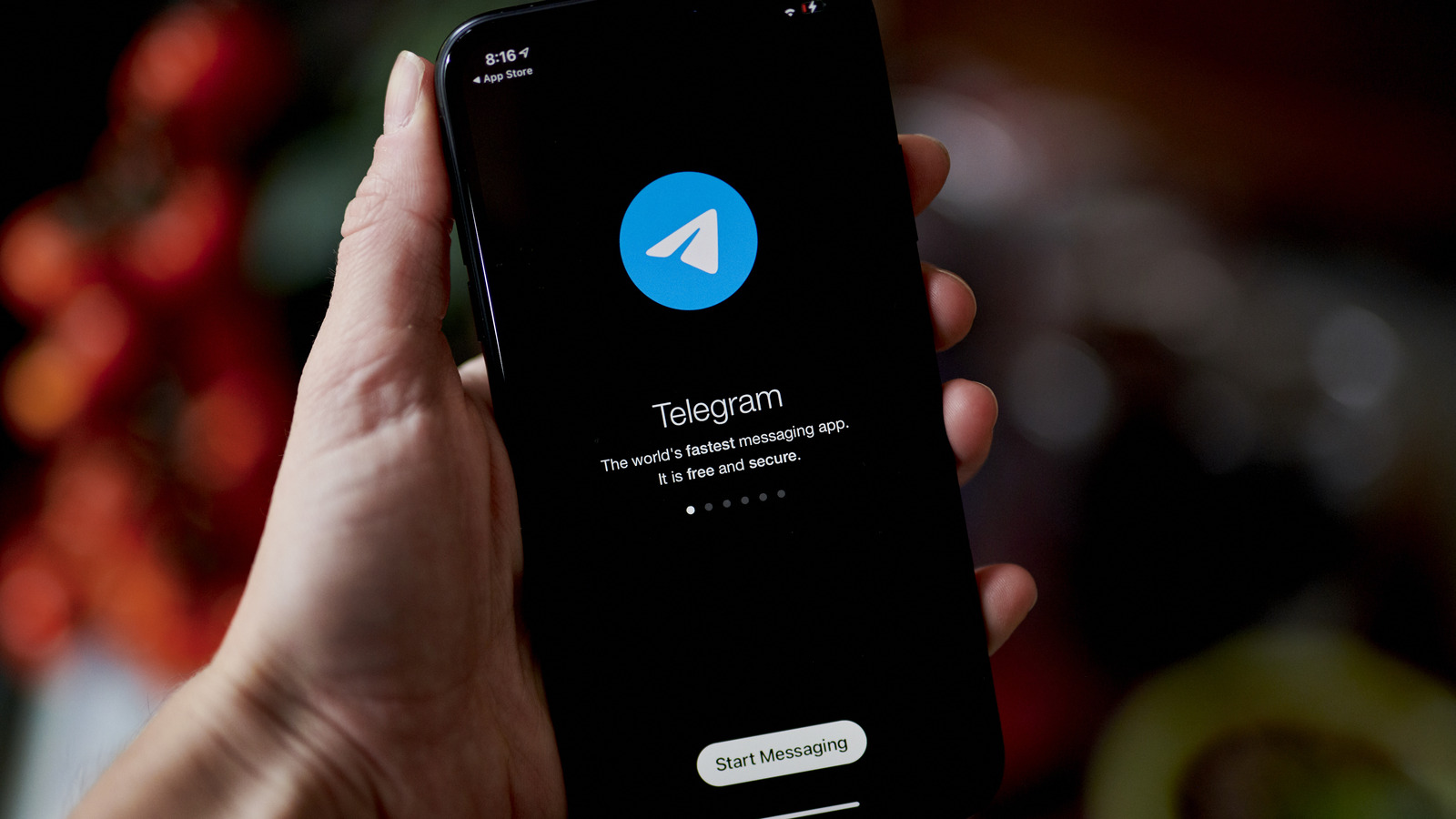
India’s temporary nationwide ban on Telegram has ignited a significant debate over the balance between public security and digital freedom after authorities blocked the messaging platform ahead of a major medical entrance exam retest. Indian officials argued that Telegram had become a vehicle for the distribution of fraudulent exam materials and misinformation related to the NEET-UG 2026 examination, prompting the government to invoke emergency powers and suspend access to the platform through June 22. A Delhi High Court subsequently upheld the restriction, ruling that the measure was lawful and proportionate under the circumstances. Telegram and digital-rights advocates countered that the action punishes millions of legitimate users while raising concerns about government censorship and the future of online speech in the world’s largest democracy.
Sources
- https://www.reuters.com/world/india/india-blocks-telegram-messaging-app-until-june-22-government-says-2026-06-16
- https://www.reuters.com/world/india-court-rejects-telegrams-appeal-against-temporary-blocking-app-2026-06-19
- https://www.aljazeera.com/news/2026/6/17/telegram-challenges-india-app-ban-calls-move-unconstitutional
- https://m.economictimes.com/news/india/telegram-blocked-in-india-ahead-of-neet-re-exam-nta-welcomes-centres-move/articleshow/131760190.cms
Key Takeaways
- India’s government temporarily blocked Telegram nationwide to combat alleged exam fraud and misinformation tied to the NEET-UG 2026 re-examination.
- A Delhi High Court upheld the ban, concluding that the government acted within its legal authority and that the restriction was proportionate to the stated objective.
- The controversy highlights a growing global conflict between national-security and public-integrity concerns on one hand and free-expression and digital-rights concerns on the other.
In-Depth
India’s temporary suspension of Telegram demonstrates the increasingly aggressive posture governments are willing to take when they believe digital platforms are facilitating fraud, criminal activity, or threats to public institutions. In this case, officials concluded that Telegram was being used to circulate fake examination papers and misinformation connected to the country’s highly competitive medical entrance examination, an event that affects the futures of hundreds of thousands of students. Authorities responded with a nationwide restriction, arguing that extraordinary circumstances required extraordinary measures.
From a conservative perspective, the case underscores a reality often ignored by technology companies and civil-liberties activists: platforms that profit from mass communication cannot indefinitely avoid responsibility when their systems become tools for widespread abuse. Governments have a legitimate interest in protecting the integrity of educational systems, elections, and other critical institutions. When a platform repeatedly becomes associated with criminal exploitation, regulators are likely to act.
At the same time, the controversy raises legitimate concerns about precedent. More than 150 million Indians use Telegram, and many had nothing to do with the alleged misconduct. Critics argue that broad platform-wide restrictions risk normalizing government intervention in digital communications and could be expanded to other contexts in the future.
The dispute ultimately reflects a broader struggle unfolding worldwide. Governments increasingly demand accountability from technology platforms, while technology firms and civil-liberties advocates warn against overreach. India’s decision, and the court’s endorsement of it, may become a significant case study for other nations grappling with the same question: how far should a government go to stop abuse on a digital platform before it begins restricting the freedoms of ordinary users?