

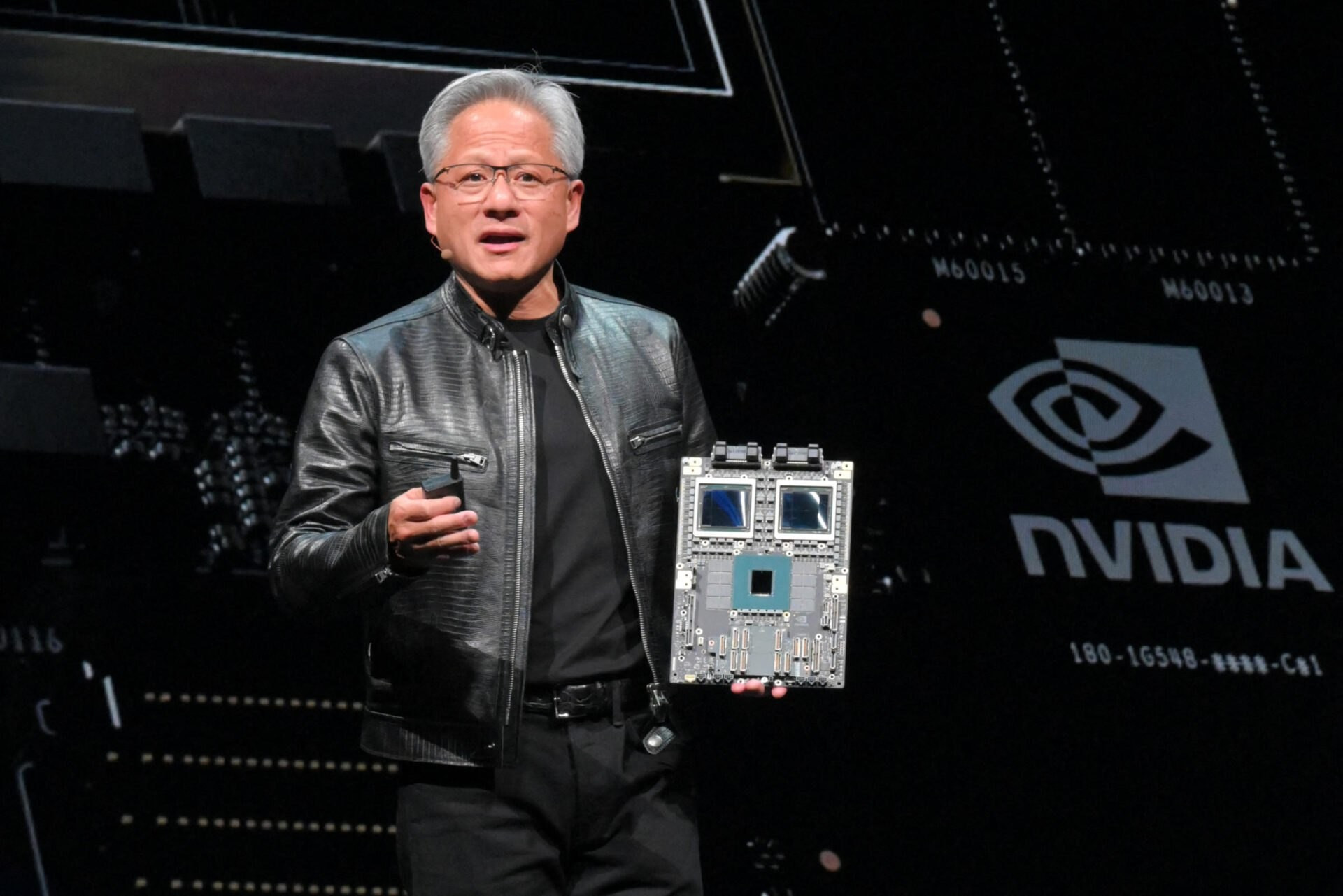
Nvidia CEO Jensen Huang says the rapid rise of artificial intelligence requires society to develop new social norms, much as it adapted to automobiles, the internet, and other transformative technologies. Speaking during an interview in Texas, Huang argued that widespread public engagement with AI is essential, contending that the technology can democratize advanced capabilities, boost productivity, accelerate scientific breakthroughs, and strengthen American economic competitiveness. While acknowledging concerns about job displacement, energy demands, and the pace of technological change, Huang maintained that society must adapt rather than resist, emphasizing that AI adoption will require a combination of regulation, cultural adjustment, and individual familiarity with the technology.
Sources
- https://apnews.com/article/8334abcbc6ed8d3d7889b640ec6fa05b
- https://www.pcgamer.com/software/ai/nvidia-ceo-jensen-huang-says-we-need-to-deal-with-social-norms-surrounding-ai-but-apparently-that-means-just-go-engage-it
- https://apnews.com/article/9bf560fa2365e4d6b57804438cda579e
Key Takeaways
- Artificial intelligence is moving from a specialized technology into a mainstream tool, creating pressure for society to establish new behavioral, educational, and regulatory norms.
- Huang argues that AI can expand opportunity and productivity for ordinary Americans, but critics question whether public enthusiasm is outpacing thoughtful discussions about risks, costs, and unintended consequences.
- The AI boom is increasingly tied to broader economic and national competitiveness goals, with significant investments in manufacturing, infrastructure, and domestic technology development.
In-Depth
Jensen Huang’s call for “new social norms” surrounding artificial intelligence highlights a growing reality: AI is no longer a niche technology confined to research labs and Silicon Valley campuses. It is rapidly becoming a foundational tool that will influence how Americans work, learn, communicate, and compete in the global economy. Huang’s argument is that society has successfully adapted to disruptive technologies before and can do so again with AI.
From a conservative perspective, there is merit to the notion that innovation should not be feared simply because it is transformative. American prosperity has historically been driven by embracing new technologies rather than resisting them. The automobile, personal computer, and internet all generated concerns about social disruption, yet each ultimately expanded opportunity and economic growth. AI may follow a similar path if policymakers avoid smothering innovation with excessive regulation while still addressing legitimate risks.
At the same time, Huang’s remarks expose an important challenge. New social norms do not emerge automatically. They develop through experience, market forces, cultural expectations, and responsible governance. Americans are rightly concerned about job displacement, privacy, misinformation, and the immense infrastructure demands created by AI systems. Simply telling people to “engage” with AI may not fully address those concerns.
Nevertheless, the broader message is difficult to ignore. AI is becoming a central battleground in economic competition, particularly between the United States and rival nations. If America intends to remain the world’s leading innovator, widespread AI literacy and adoption may prove just as important in the 21st century as computer literacy was in the late 20th century. Huang’s comments suggest that the future belongs not to those who fear AI, but to those who learn how to use it effectively and responsibly.