

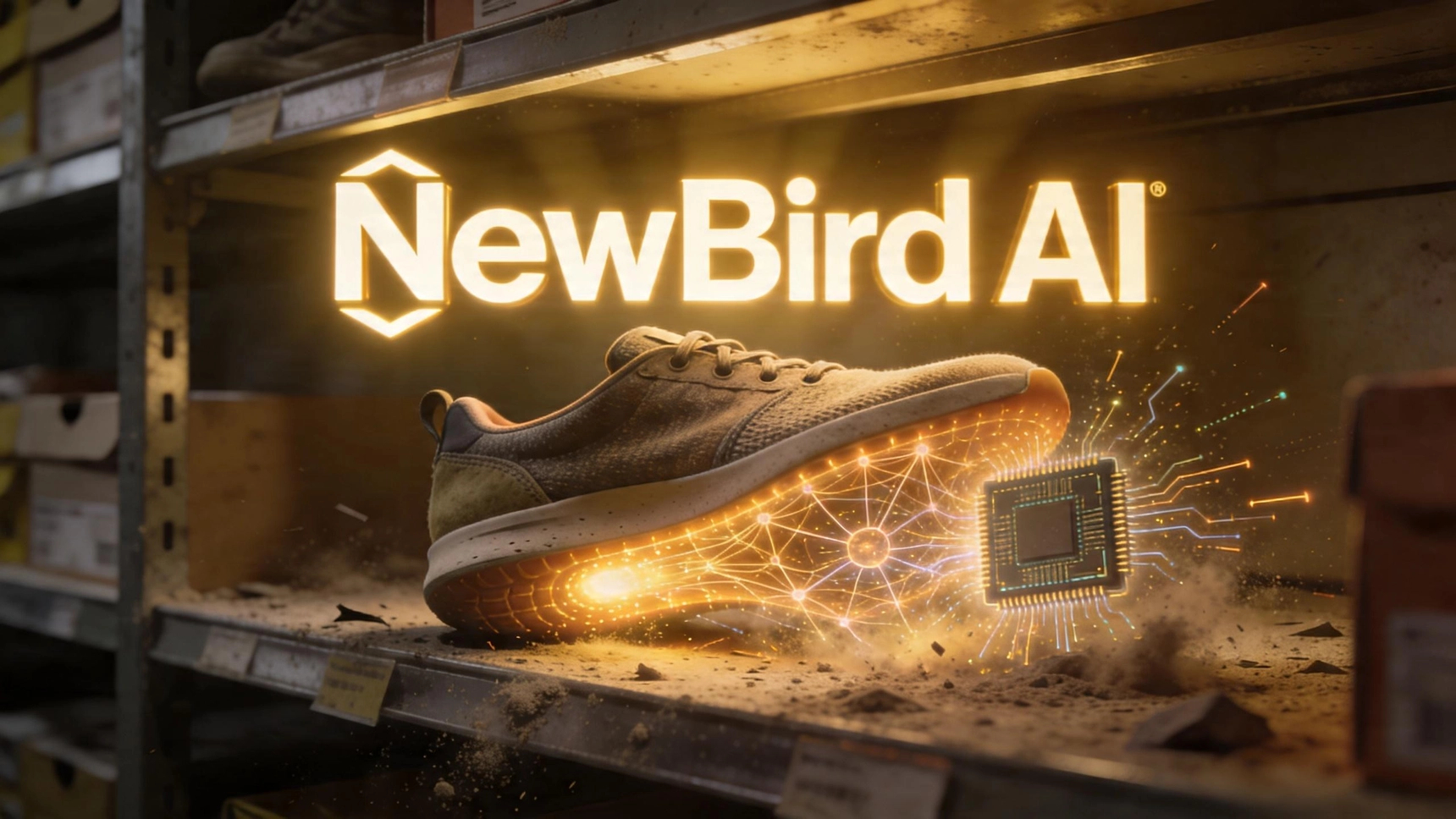
The company formerly known for environmentally friendly footwear has completed one of the most dramatic corporate pivots in recent memory, officially abandoning its shoe-business identity and rebranding as Smartbird while appointing AI industry veteran Nadia Carlsten as chief executive officer. After previously announcing plans to enter the artificial intelligence infrastructure market, the firm finalized the sale of its footwear assets and doubled its financing capacity to support its new business model of providing AI computing infrastructure and cloud services. The move comes after years of declining sales and collapsing market value in the footwear sector, with investors responding enthusiastically to the AI-focused strategy despite questions about the challenges of competing in a rapidly evolving and capital-intensive market.
Sources
- https://www.reuters.com/business/retail-consumer/allbirds-rebrands-smartbird-ai-pivot-hires-former-aws-executive-ceo-2026-06-17
- https://www.wsj.com/tech/allbirds-names-new-ceo-and-changes-name-again-ae98246a
- https://www.businessinsider.com/company-formerly-known-as-allbirds-talks-about-its-ai-pivot-2026-6
- https://www.marketwatch.com/story/goodbye-allbirds-hello-smartbird-bizarre-transformation-into-an-ai-company-is-now-official-7e522e8d
Key Takeaways
- The company has completed its transition from a footwear manufacturer into an AI infrastructure provider, changing its name from Allbirds to Smartbird and selling its legacy shoe business.
- Former AI and cloud-computing executive Nadia Carlsten has been installed as CEO to lead the company’s effort to compete in the growing AI infrastructure and GPU-services market.
- Investor enthusiasm for anything connected to artificial intelligence continues to drive significant market reactions, with the company’s shares surging despite substantial uncertainty surrounding the long-term viability of the transformation.
In-Depth
For years, the company was a symbol of Silicon Valley’s obsession with sustainability, minimalist design, and environmentally conscious consumerism. Today, that chapter is effectively over. The former footwear maker has officially reinvented itself as Smartbird, an artificial intelligence infrastructure company, marking one of the most remarkable corporate transformations of the AI era.
The decision reflects a broader reality facing many struggling consumer brands. After reaching lofty valuations during its early public-market years, the company endured declining sales, shrinking market relevance, and mounting financial pressure. Rather than continue fighting for market share in an increasingly competitive footwear sector, management chose a far more ambitious route: abandoning its legacy business and pursuing opportunities in AI computing infrastructure.
The appointment of Nadia Carlsten signals that this is more than a cosmetic rebranding exercise. Her background in advanced computing, cloud infrastructure, and large-scale AI projects suggests the company intends to build credibility in a sector dominated by sophisticated technology players. The expanded financing facility further demonstrates management’s willingness to commit substantial resources to the transition.
From a conservative market perspective, the story highlights both the promise and peril of the current AI boom. On one hand, private enterprise is rapidly reallocating capital toward what many view as the next transformative technological revolution. On the other, investors should remember that enthusiasm alone does not guarantee execution. Smartbird now faces the difficult task of proving it can evolve from a failed footwear company into a legitimate competitor in one of the most demanding sectors of the modern economy. Whether this reinvention becomes a case study in entrepreneurial adaptation or a cautionary tale of AI-era speculation remains to be seen.