

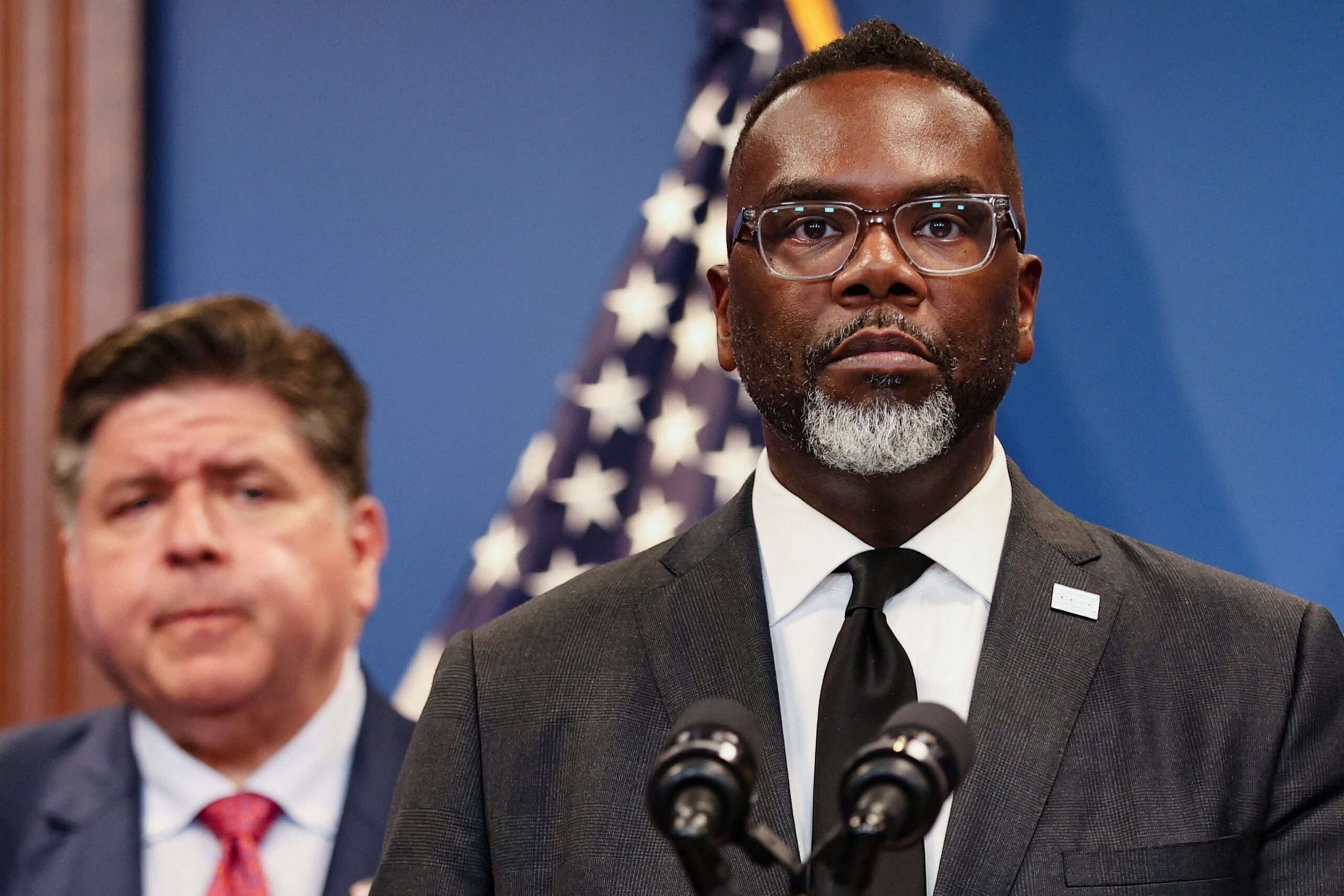
Chicago’s new social media tax is generating far more revenue than city officials originally projected, with collections during the first four months of 2026 putting the city on pace to receive nearly $50 million this year instead of the anticipated $31 million. The tax applies to major social media platforms based on active Chicago users above a specified threshold and has become a centerpiece of Mayor Brandon Johnson’s fiscal agenda. While supporters tout the unexpected revenue as proof that large technology companies can be tapped to fund local government priorities, opponents argue the levy represents an unprecedented and potentially unconstitutional attempt to single out online platforms for special taxation. The growing revenue stream has intensified an ongoing legal challenge that could ultimately determine whether Chicago keeps the money or faces a costly reversal.
Sources
- https://chicago.suntimes.com/city-hall/2026/06/15/brandon-johnson-social-media-tax-windfall-meta-facebook-instagram-tiktok-linkedin
- https://www.reedsmith.com/articles/netchoice-is-first-to-challenge-chicago-s-social-media-amusement-tax
- https://www.pwc.com/us/en/services/tax/library/chicago-social-media-amusement-tax-faces-legal-challenge.html
- https://news.wttw.com/2026/03/25/lawsuit-aims-block-chicago-s-new-social-media-tax-here-s-what-know
Key Takeaways
- Chicago’s social media tax is generating revenue at a pace nearly 60% higher than originally projected, potentially approaching $50 million in 2026.
- A coalition representing major technology companies has challenged the tax in court, arguing it violates federal law and constitutional protections.
- The dispute highlights a broader national debate over whether governments should create new, targeted taxes aimed specifically at digital platforms and online commerce.
In-Depth
Chicago’s social media tax is quickly becoming a case study in how aggressively local governments are willing to pursue new revenue sources when traditional tax bases are stretched thin. The city expected the levy to generate roughly $31 million during its first year, but early collections suggest the total could approach $50 million. That unexpected windfall has emboldened supporters who see large technology companies as attractive targets for taxation because the burden appears distant from local voters.
Yet the tax’s success in generating revenue may also expose its greatest weakness. Rather than applying broadly across industries, the measure specifically targets social media platforms that exceed certain user thresholds. Critics contend that such selective taxation raises serious constitutional questions and creates a dangerous precedent whereby governments can single out politically unpopular industries for special treatment. The legal challenge filed against the city argues that the tax discriminates against online commerce and infringes on First Amendment protections, claims that will now be tested in court.
From a conservative perspective, the issue extends beyond social media companies. The larger concern is whether governments should address budget pressures through spending restraint and economic growth or through increasingly creative methods of extracting revenue from targeted sectors. While many voters may have little sympathy for major technology firms, taxes created for one industry rarely remain isolated forever. Once governments discover a lucrative new source of revenue, the temptation to expand similar approaches often follows.
For now, Chicago officials are celebrating a fiscal surprise. Whether the tax ultimately survives judicial scrutiny may determine whether this experiment becomes a model for other cities or a cautionary tale about the limits of government taxation in the digital age.