

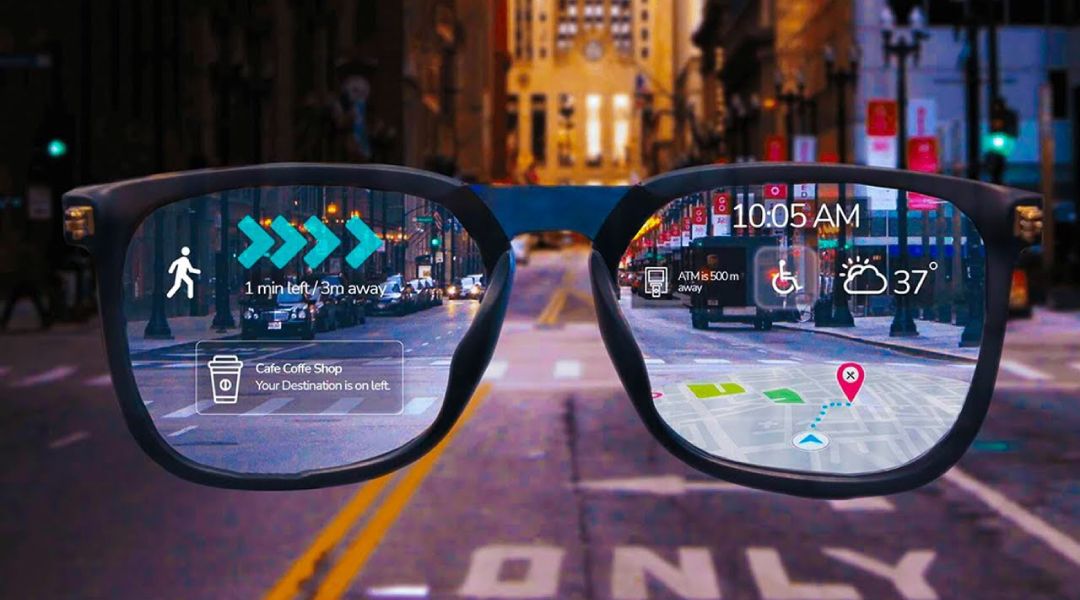
Illinois is on the verge of becoming the first state in the nation to prohibit drivers from wearing AI-powered smart glasses behind the wheel. The legislation, strongly backed by Illinois Secretary of State Alexi Giannoulias, would classify smart glasses as prohibited electronic communication devices under existing distracted-driving laws. Supporters argue that emerging wearable technology capable of displaying information, recording video, sending messages, and interacting with artificial intelligence presents the same—or potentially greater—distraction risks as smartphones. The proposal passed unanimously through the Illinois General Assembly and now awaits Gov. J.B. Pritzker’s signature. Advocates contend the measure is a necessary response to rapidly evolving technology, while critics question whether the law is overly broad and may create enforcement challenges.
Sources
- https://chicago.suntimes.com/politics/2026/06/15/smart-glasses-ban-driving-illinois-ai-alexi-giannoulias
- https://www.techradar.com/computing/virtual-reality-augmented-reality/illinois-smart-glasses-driving-ban-continues-ongoing-efforts-to-restrict-the-techs-usage-but-i-kinda-agree-with-this-one
- https://www.the-sun.com/motors/16527882/new-smart-glasses-driving-law-illinois
Key Takeaways
- Illinois lawmakers are attempting to get ahead of a rapidly emerging technology before widespread adoption creates a new category of distracted-driving incidents.
- The legislation would make Illinois the first state in America to specifically ban AI-powered smart glasses while driving, potentially setting a precedent for other states to follow.
- The debate highlights the growing tension between technological innovation and public safety, particularly as artificial intelligence becomes increasingly integrated into everyday consumer devices.
In-Depth
Illinois lawmakers appear determined to avoid repeating the mistakes made during the smartphone revolution, when public policy lagged years behind technological adoption. Their proposed ban on AI-powered smart glasses reflects a growing concern that wearable technology could become the next major source of distracted driving.
Secretary of State Alexi Giannoulias has emerged as the leading advocate for the measure, arguing that smart glasses present many of the same dangers as smartphones because they allow users to access digital content, messaging functions, video recording capabilities, and AI-assisted features while operating a vehicle. Supporters of the legislation maintain that once technology is placed directly in a driver’s field of vision, the potential for distraction increases substantially.
From a conservative perspective, government should generally be cautious about restricting new technologies. However, government also has a legitimate role in protecting public safety on public roadways. The question is not whether smart glasses are innovative, but whether drivers should be interacting with AI-enabled displays while controlling a two-ton vehicle traveling at highway speeds.
Critics of the proposal argue that the legislation may be too sweeping because it treats all smart glasses similarly, regardless of whether a particular model contains a visual display. They also raise concerns about enforcement and the possibility of mistaken traffic stops.
Nevertheless, Illinois lawmakers appear to be betting that acting early is preferable to waiting for accident statistics to accumulate. If signed into law, the measure could become a model for other states grappling with how to regulate the next generation of AI-enabled consumer technology before it becomes another widespread roadway hazard.