

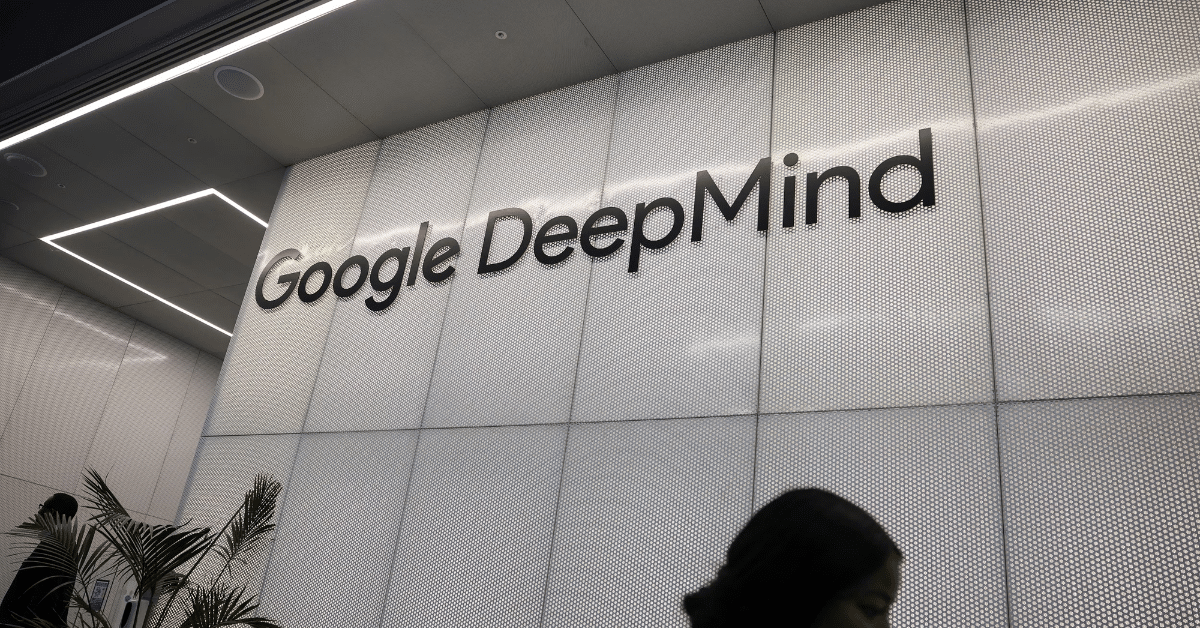
Negotiations between Google DeepMind and employees in London seeking formal union recognition have begun on contentious footing, with union representatives accusing the company of failing to engage in good faith after senior leadership did not attend the opening bargaining session. Employees involved in the organizing effort contend that management has limited internal discussion surrounding unionization and responded to worker activism through human resources rather than meaningful dialogue. The union drive, backed by the Communication Workers Union and Unite the Union, grew out of employee concerns following Alphabet’s decision to remove previous AI ethics commitments regarding military and surveillance applications. Google disputes claims that negotiations have stalled, arguing that the initial meeting successfully established the next procedural steps for defining the bargaining unit and that appropriate company representatives participated. The dispute reflects the growing tension between employees seeking greater influence over corporate decision-making and management seeking to maintain operational control within one of the world’s leading artificial intelligence laboratories.
Sources
- https://www.wired.com/story/google-deepmind-unionization-talks-are-off-to-a-rocky-start
- https://www.theguardian.com/technology/2026/may/20/google-deepmind-talks-uk-unions-ai-use-israel-us-defence
- https://www.businessinsider.com/google-deepmind-employees-unionize-vote-ai-military-contract-uk-2026-5
Key Takeaways
- • Google DeepMind employees are pursuing formal union recognition largely over concerns about the company’s evolving policies governing military and government applications of artificial intelligence.
- • Initial negotiations have exposed a significant divide between labor organizers, who argue management is not negotiating seriously, and company officials, who maintain the talks are progressing according to established procedures.
- • The outcome of the unionization effort could become a significant precedent for labor organization within the rapidly expanding artificial intelligence industry, where employee concerns increasingly extend beyond compensation to ethical governance and corporate accountability.
In-Depth
The early friction surrounding Google DeepMind’s unionization campaign illustrates a broader shift occurring across the technology sector as highly skilled employees seek a greater voice in decisions that extend well beyond traditional workplace issues. Rather than focusing primarily on wages or benefits, many of the employees behind the organizing effort have centered their concerns on the ethical direction of artificial intelligence development, particularly after Alphabet revised its longstanding commitments regarding military and surveillance-related AI applications.
From a conservative perspective, the dispute underscores an important distinction between the rights of employees to organize and the equally legitimate authority of private companies to determine their strategic direction. Businesses should remain free to pursue lawful government contracts and national security partnerships without having operational decisions dictated by internal political activism. At the same time, employees possess every legal right to seek representation through established labor processes if they believe their interests are not being adequately considered.
The rocky opening to negotiations suggests that both sides are entering the process with considerable distrust. Union organizers argue management has marginalized employee concerns, while Google maintains that negotiations are proceeding under standard procedures and that discussions remain constructive. If that gap cannot be narrowed, the matter could ultimately move before British labor authorities for a determination on union recognition.
Beyond DeepMind itself, the case is likely to be watched closely throughout the AI industry. As artificial intelligence becomes increasingly intertwined with defense, intelligence, healthcare, and critical infrastructure, disagreements over corporate ethics and government partnerships are unlikely to disappear. Whether unionization proves to be an effective mechanism for influencing those decisions remains uncertain, but the controversy demonstrates that debates over AI’s future will involve not only regulators and executives, but also the engineers and researchers building the technology.