

Close Menu

    Subscribe to Updates

    Get the latest creative news from FooBar about art, design and business.

    What's Hot

    Discord Ends Persona Age Verification Trial Amid Privacy Backlash

    February 27, 2026

    OpenAI’s Stargate Data Center Ambitions Hit Major Roadblocks

    February 27, 2026

    Panasonic Strikes Partnership to Reclaim TV Market Share in the West

    February 26, 2026
    Facebook X (Twitter) Instagram
    • Tech
    • AI
    • Get In Touch
    Facebook X (Twitter) LinkedIn
    TallwireTallwire
    • Tech

      OpenAI’s Stargate Data Center Ambitions Hit Major Roadblocks

      February 27, 2026

      Large Hadron Collider Enters Third Shutdown For Major Upgrade

      February 26, 2026

      Stellantis Faces Massive Losses and Strategic Shift After Misjudging EV Market Demand

      February 26, 2026

      AI’s Persistent PDF Parsing Failure Stalls Practical Use

      February 26, 2026

      Solid-State Battery Claims Put to the Test With Record Fast Charging Results

      February 26, 2026
    • AI

      OpenAI’s Stargate Data Center Ambitions Hit Major Roadblocks

      February 27, 2026

      Anthropic Raises Alarm Over Chinese AI Model Distillation Practices

      February 26, 2026

      AI’s Persistent PDF Parsing Failure Stalls Practical Use

      February 26, 2026

      Tech Firms Push “Friendlier” Robot Designs to Boost Human Acceptance

      February 26, 2026

      Samsung Expands Galaxy AI With Perplexity Integration for Upcoming S26 Series

      February 25, 2026
    • Security

      Discord Ends Persona Age Verification Trial Amid Privacy Backlash

      February 27, 2026

      FBI Issues Alert on Outdated Wi-Fi Routers Vulnerable to Cyber Attacks

      February 25, 2026

      Wikipedia Blacklists Archive.Today After DDoS Abuse And Content Manipulation

      February 24, 2026

      Admissions Website Bug Exposed Children’s Personal Information

      February 23, 2026

      FBI Warns ATM Jackpotting Attacks on the Rise, Costing Hackers Millions in Stolen Cash

      February 22, 2026
    • Health

      Social Media Addiction Trial Draws Grieving Parents Seeking Accountability From Tech Platforms

      February 19, 2026

      Portugal’s Parliament OKs Law to Restrict Children’s Social Media Access With Parental Consent

      February 18, 2026

      Parents Paint 108 Names, Demand Snapchat Reform After Deadly Fentanyl Claims

      February 18, 2026

      UK Kids Turning to AI Chatbots and Acting on Advice at Alarming Rates

      February 16, 2026

      Landmark California Trial Sees YouTube Defend Itself, Rejects ‘Social Media’ and Addiction Claims

      February 16, 2026
    • Science

      Large Hadron Collider Enters Third Shutdown For Major Upgrade

      February 26, 2026

      Google Phases Out Android’s Built-In Weather App, Replacing It With Search-Based Forecasts

      February 25, 2026

      Microsoft’s Breakthrough Suggests Data Could Be Preserved for 10,000 Years on Glass

      February 24, 2026

      NASA Trials Autonomous, AI-Planned Driving on Mars Rover

      February 20, 2026

      XAI Publicly Unveils Elon Musk’s Interplanetary AI Vision In Rare All-Hands Release

      February 14, 2026
    • Tech

      Zuckerberg Testifies In Landmark Trial Over Alleged Teen Social Media Harms

      February 23, 2026

      Gay Tech Networks Under Spotlight In Silicon Valley Culture Debate

      February 23, 2026

      Google Co-Founder’s Epstein Contacts Reignite Scrutiny of Elite Tech Circles

      February 7, 2026

      Bill Gates Denies “Absolutely Absurd” Claims in Newly Released Epstein Files

      February 6, 2026

      Informant Claims Epstein Employed Personal Hacker With Zero-Day Skills

      February 5, 2026
    TallwireTallwire
    Home»Tech»Court Upholds Pentagon Authority to Brand DJI a Chinese Military-Linked Firm
    Tech

    Court Upholds Pentagon Authority to Brand DJI a Chinese Military-Linked Firm

    Updated:December 25, 20254 Mins Read
    Facebook Twitter Pinterest LinkedIn Tumblr Email
    Court Upholds Pentagon Authority to Brand DJI a Chinese Military-Linked Firm
    Court Upholds Pentagon Authority to Brand DJI a Chinese Military-Linked Firm
    Share
    Facebook Twitter LinkedIn Pinterest Email

    A U.S. federal judge has ruled that the Department of Defense may maintain its classification of DJI—a major drone company—as a “Chinese military company,” rejecting DJI’s lawsuit seeking removal from the list. The judge found “substantial evidence” that DJI contributes to China’s defense industrial base, citing its government affiliations, dual-use technology, and financial support from Chinese state-linked entities. While the court dismissed some of the government’s arguments, it upheld the listing based on a single rational justification, compelling DJI to explore appeal options and adding urgency to compliance deadlines under escalating U.S. regulatory pressure.

    Sources: Reuters, TechCrunch

    Key Takeaways

    – The court affirmed that even if DJI is not overtly owned or controlled by the Chinese military, its role in “military-civil fusion” and ties to government support suffices to justify classification under U.S. law.

    – DJI lost part of its claim—some rationales from the DoD were rejected—but the ruling stands based on a narrower foundation, giving the government deference in national security listings.

    – The decision intensifies pressure on DJI, which now faces regulatory deadlines, possible bans on new product approvals in the U.S., and constraints on accessing federal contracts or funding.

    In-Depth

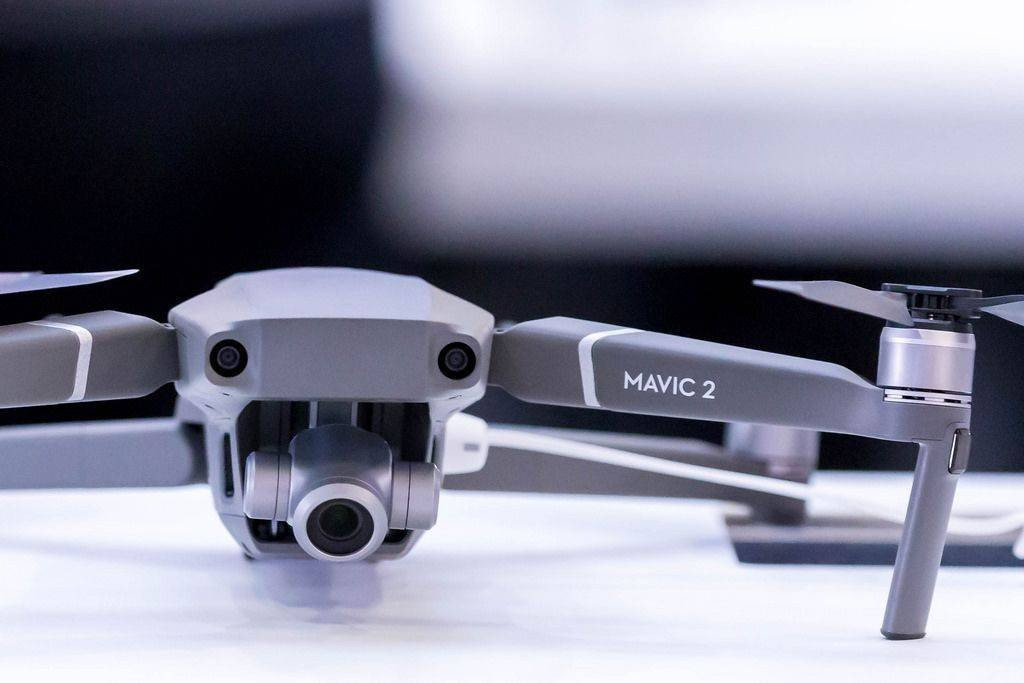
    This ruling marks a significant turning point in the unfolding legal and regulatory drama surrounding DJI, the world’s largest consumer and commercial drone manufacturer. For years, U.S. officials have eyed DJI warily, citing concerns that its technology could be used for surveillance or military operations—even when sold for civilian use. DJI fought back, asserting that it produces consumer drones, not weapons, and that it is neither owned nor controlled by the Chinese military or Communist Party. Its lawsuit sought to remove it from the Pentagon’s list of Chinese military-linked companies, claiming reputational and financial harm from the designation.

    But U.S. District Judge Paul Friedman found otherwise. He concluded that “substantial evidence” supports DJI’s inclusion, particularly because of what is called military-civil fusion: the blending of civilian and military technology development in China. He pointed to government incentives, state-backed programs, and DJI’s status within Chinese administration structures as signals of contribution to the Chinese defense industrial base. Even though he rejected certain arguments by the DoD—such as overreaching assertions of party control—he held that deference to the Pentagon is warranted in national security decisions, especially under Section 1260H, which gives the Defense Department leeway to designate firms.

    What does this mean in practice? For DJI, it imposes tangible constraints. It may become harder or impossible for the company to win U.S. federal contracts, receive grants, or access funding tied to government agencies. DJI also faces a looming December legal and regulatory deadline: unless federal security agencies complete a review of its drone products, it risks being added to a more restrictive list that could block new product approvals in the U.S. The classification does not immediately ban all DJI operations in America, but it adds regulatory friction, reputational risk, and uncertain future access to markets.

    For U.S. policy and the broader tech competition with China, the ruling underscores the government’s expanding authority to label foreign firms under national security frameworks. It sends a message that companies with Chinese roots—even if mostly commercial in output—are vulnerable if their technology straddles civilian and military domains. The precedent may shape future cases and investment decisions, as well as how firms structure ownership, operations, and transparency to navigate U.S. risk.

    In the coming months, eyes will be on whether DJI appeals, how regulatory bodies respond to the classification, and whether DJI can persuade U.S. agencies that its technology doesn’t pose unacceptable risks. The balance between national security and innovation access remains a tricky line to walk—and DJI’s fate may help define where that line falls going forward.

    Share. Facebook Twitter Pinterest LinkedIn Tumblr Email
    Previous ArticleCourt Holds Firm: Google-Apple Search Deal Stays—AI to Deepen Their Grip
    Next Article Crimson Collective Claims Nintendo Breach Amid Broader Red Hat Hack Fallout

    Related Posts

    OpenAI’s Stargate Data Center Ambitions Hit Major Roadblocks

    February 27, 2026

    Large Hadron Collider Enters Third Shutdown For Major Upgrade

    February 26, 2026

    Stellantis Faces Massive Losses and Strategic Shift After Misjudging EV Market Demand

    February 26, 2026

    AI’s Persistent PDF Parsing Failure Stalls Practical Use

    February 26, 2026
    Add A Comment
    Leave A Reply Cancel Reply

    Editors Picks

    OpenAI’s Stargate Data Center Ambitions Hit Major Roadblocks

    February 27, 2026

    Large Hadron Collider Enters Third Shutdown For Major Upgrade

    February 26, 2026

    Stellantis Faces Massive Losses and Strategic Shift After Misjudging EV Market Demand

    February 26, 2026

    AI’s Persistent PDF Parsing Failure Stalls Practical Use

    February 26, 2026
    Top Reviews
    Tallwire
    Facebook X (Twitter) LinkedIn Threads Instagram RSS
    • Tech
    • Entertainment
    • Business
    • Government
    • Academia
    • Transportation
    • Legal
    • Press Kit
    © 2026 Tallwire. Optimized by ARMOUR Digital Marketing Agency.

    Type above and press Enter to search. Press Esc to cancel.