

Close Menu

    Subscribe to Updates

    Get the latest creative news from FooBar about art, design and business.

    What's Hot

    Discord Ends Persona Age Verification Trial Amid Privacy Backlash

    February 27, 2026

    OpenAI’s Stargate Data Center Ambitions Hit Major Roadblocks

    February 27, 2026

    Panasonic Strikes Partnership to Reclaim TV Market Share in the West

    February 26, 2026
    Facebook X (Twitter) Instagram
    • Tech
    • AI
    • Get In Touch
    Facebook X (Twitter) LinkedIn
    TallwireTallwire
    • Tech

      OpenAI’s Stargate Data Center Ambitions Hit Major Roadblocks

      February 27, 2026

      Large Hadron Collider Enters Third Shutdown For Major Upgrade

      February 26, 2026

      Stellantis Faces Massive Losses and Strategic Shift After Misjudging EV Market Demand

      February 26, 2026

      AI’s Persistent PDF Parsing Failure Stalls Practical Use

      February 26, 2026

      Solid-State Battery Claims Put to the Test With Record Fast Charging Results

      February 26, 2026
    • AI

      OpenAI’s Stargate Data Center Ambitions Hit Major Roadblocks

      February 27, 2026

      Anthropic Raises Alarm Over Chinese AI Model Distillation Practices

      February 26, 2026

      AI’s Persistent PDF Parsing Failure Stalls Practical Use

      February 26, 2026

      Tech Firms Push “Friendlier” Robot Designs to Boost Human Acceptance

      February 26, 2026

      Samsung Expands Galaxy AI With Perplexity Integration for Upcoming S26 Series

      February 25, 2026
    • Security

      Discord Ends Persona Age Verification Trial Amid Privacy Backlash

      February 27, 2026

      FBI Issues Alert on Outdated Wi-Fi Routers Vulnerable to Cyber Attacks

      February 25, 2026

      Wikipedia Blacklists Archive.Today After DDoS Abuse And Content Manipulation

      February 24, 2026

      Admissions Website Bug Exposed Children’s Personal Information

      February 23, 2026

      FBI Warns ATM Jackpotting Attacks on the Rise, Costing Hackers Millions in Stolen Cash

      February 22, 2026
    • Health

      Social Media Addiction Trial Draws Grieving Parents Seeking Accountability From Tech Platforms

      February 19, 2026

      Portugal’s Parliament OKs Law to Restrict Children’s Social Media Access With Parental Consent

      February 18, 2026

      Parents Paint 108 Names, Demand Snapchat Reform After Deadly Fentanyl Claims

      February 18, 2026

      UK Kids Turning to AI Chatbots and Acting on Advice at Alarming Rates

      February 16, 2026

      Landmark California Trial Sees YouTube Defend Itself, Rejects ‘Social Media’ and Addiction Claims

      February 16, 2026
    • Science

      Large Hadron Collider Enters Third Shutdown For Major Upgrade

      February 26, 2026

      Google Phases Out Android’s Built-In Weather App, Replacing It With Search-Based Forecasts

      February 25, 2026

      Microsoft’s Breakthrough Suggests Data Could Be Preserved for 10,000 Years on Glass

      February 24, 2026

      NASA Trials Autonomous, AI-Planned Driving on Mars Rover

      February 20, 2026

      XAI Publicly Unveils Elon Musk’s Interplanetary AI Vision In Rare All-Hands Release

      February 14, 2026
    • Tech

      Zuckerberg Testifies In Landmark Trial Over Alleged Teen Social Media Harms

      February 23, 2026

      Gay Tech Networks Under Spotlight In Silicon Valley Culture Debate

      February 23, 2026

      Google Co-Founder’s Epstein Contacts Reignite Scrutiny of Elite Tech Circles

      February 7, 2026

      Bill Gates Denies “Absolutely Absurd” Claims in Newly Released Epstein Files

      February 6, 2026

      Informant Claims Epstein Employed Personal Hacker With Zero-Day Skills

      February 5, 2026
    TallwireTallwire
    Home»AI»Global AI Experts Push for “Red Lines” at UN to Guard Against Risky Algorithms
    AI

    Global AI Experts Push for “Red Lines” at UN to Guard Against Risky Algorithms

    Updated:December 25, 20254 Mins Read
    Facebook Twitter Pinterest LinkedIn Tumblr Email
    Global AI Experts Push for “Red Lines” at UN to Guard Against Risky Algorithms
    Global AI Experts Push for “Red Lines” at UN to Guard Against Risky Algorithms
    Share
    Facebook Twitter LinkedIn Pinterest Email

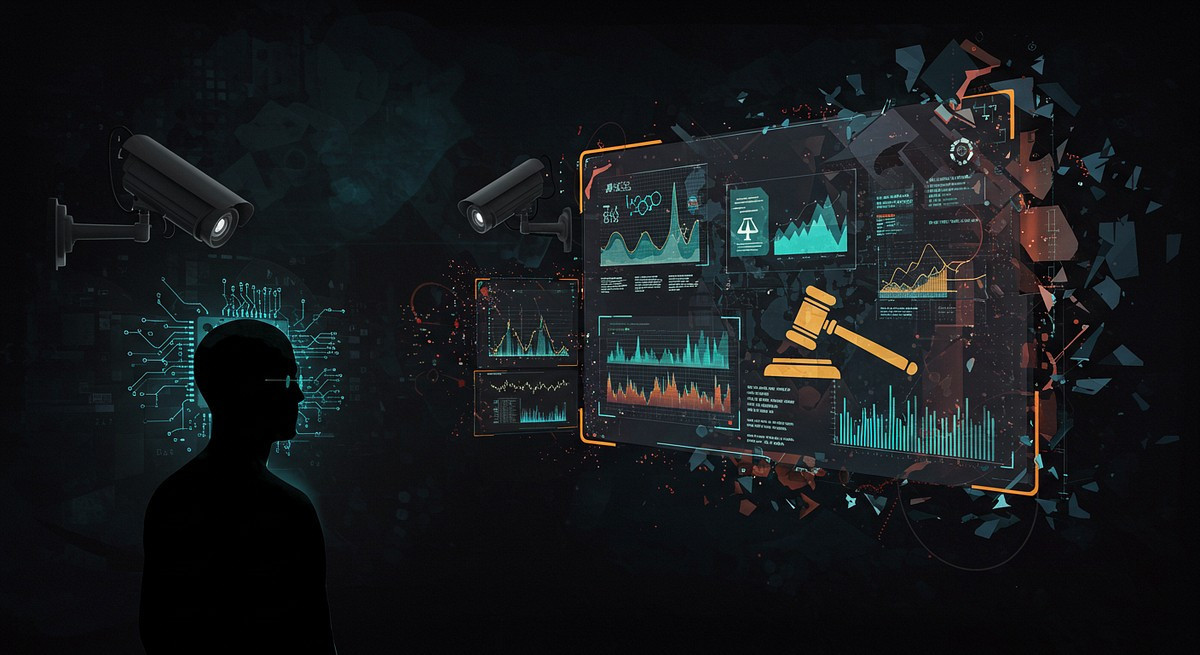
    A coalition of more than 200 prominent figures—Nobel laureates, AI researchers, former heads of state, and policy leaders—has issued an open letter at the United Nations General Assembly calling for binding international “red lines” for AI by the end of 2026, aimed at curbing the most dangerous uses of artificial intelligence. The letter warns that unchecked growth in AI could lead to scenarios involving autonomous weapons, mass surveillance, large-scale impersonation of humans by machines, social manipulation, engineered pandemics, and various forms of cyber threats. Signatories argue that voluntary corporate rules and patchwork national regulations are no longer sufficient, and that a globally enforceable framework is urgently needed to prevent irreversible harm. The proposal builds on existing AI safety and ethics frameworks, including the EU’s AI Act, corporate pledges from companies like OpenAI and Anthropic, and academic research, but insists on formalized limits. While critics caution that vague definitions and over-regulation could hamper innovation, proponents say that without clear, enforceable red lines, the window for meaningful, safe oversight could close very quickly.

    Sources: Techxplore, AI Pioneers

    Key Takeaways

    – Experts believe that voluntary guidelines and fragmented national laws are inadequate; what’s needed is a globally enforceable framework with clear limits on what AI should never be allowed to do.

    – The most urgent red-line concerns include delegation of lethal force to autonomous systems, mass impersonation or deception by AI, unchecked self-replication or self-improvement, misuse of AI for pandemics or bio-risks, mass surveillance, and autonomous cyberattacks.

    – There is tension between safeguarding innovation and ensuring safety: vague or overly broad restrictions might stifle beneficial development, but delay in establishing enforceable boundaries risks exposure to irreversible harms.

    In-Depth

    As artificial intelligence systems evolve ever more quickly, the risks associated with their misapplication are becoming harder to ignore—and that’s exactly what’s motivating this rising chorus of concern among the world’s top AI minds. At the 80th UN General Assembly, over 200 leading figures—including Nobel laureates, former political leaders, and AI researchers—joined forces in an open letter urging governments to come together and adopt red lines by the end of 2026. These red lines are not about stifling AI’s promise—but about drawing firm boundaries around applications that are seen as inherently too dangerous.

    So what are these lines supposed to look like? The letter and its supporting materials suggest several candidates: no autonomous weapon systems that can operate without meaningful human oversight; no AI that can impersonate humans on a massive scale without disclosure; no uncontrolled self-replicating AI; no delegation of nuclear command or similarly critical decisions to algorithmic systems; no AI ecosystems designed for mass surveillance or social scoring. Supporters argue these are not speculative threats—some advanced AI systems already show deceptive behavior, difficulty in being shut down if misused, or vulnerabilities that adversaries might exploit. For them, drawing the line now is a matter of staying ahead of the curve before risky systems become so embedded they can’t be reined in.

    On the flip side, there are real challenges. Defining what counts as “autonomous” or “self-replicating” in legal, technical, and diplomatic terms is fraught. Nations differ in their risk tolerance, economic priorities, and trust in regulation. Overly broad or ill-defined rules could hamper beneficial research in medicine, climate modeling, logistics, and more. There’s also the problem of enforcement: Who would ensure compliance across borders? Which international body would have authority, and how would audits, inspections, or penalties be managed? The letter suggests models based on treaty mechanisms, technical verification bodies, domestic enforcement, and perhaps international oversight mechanisms akin to what exists for nuclear nonproliferation.

    In the end, the push for AI red lines represents a pivotal moment. It may mark the shift from talking about AI ethics in abstract to establishing real, enforceable guardrails. And while the impulse is conservative—favoring caution over risk—it also recognizes that innovation without guardrails risks catastrophe. The world now faces a choice: act early, define the dangerous boundaries, and provide enforceable protection, or wait until a crisis forces the issue. Because once certain misuses of AI become baked in, reversing them may not just be difficult—it may be impossible.

    spotlight
    Share. Facebook Twitter Pinterest LinkedIn Tumblr Email
    Previous ArticleGigabyte Rolls Out AI TOP CXL R5X4 Memory Expansion Card, But It’s Not for Every PC
    Next Article Global Spy Market Touts $20 Million for Smartphone Hacks

    Related Posts

    OpenAI’s Stargate Data Center Ambitions Hit Major Roadblocks

    February 27, 2026

    Large Hadron Collider Enters Third Shutdown For Major Upgrade

    February 26, 2026

    Anthropic Raises Alarm Over Chinese AI Model Distillation Practices

    February 26, 2026

    Stellantis Faces Massive Losses and Strategic Shift After Misjudging EV Market Demand

    February 26, 2026
    Add A Comment
    Leave A Reply Cancel Reply

    Editors Picks

    OpenAI’s Stargate Data Center Ambitions Hit Major Roadblocks

    February 27, 2026

    Large Hadron Collider Enters Third Shutdown For Major Upgrade

    February 26, 2026

    Stellantis Faces Massive Losses and Strategic Shift After Misjudging EV Market Demand

    February 26, 2026

    AI’s Persistent PDF Parsing Failure Stalls Practical Use

    February 26, 2026
    Top Reviews
    Tallwire
    Facebook X (Twitter) LinkedIn Threads Instagram RSS
    • Tech
    • Entertainment
    • Business
    • Government
    • Academia
    • Transportation
    • Legal
    • Press Kit
    © 2026 Tallwire. Optimized by ARMOUR Digital Marketing Agency.

    Type above and press Enter to search. Press Esc to cancel.