

Close Menu

    Subscribe to Updates

    Get the latest creative news from FooBar about art, design and business.

    What's Hot

    Taara Beam Launch Brings 25Gbps Optical Wireless Networks to Cities

    February 27, 2026

    X to Let Users Mark Posts ‘Made With AI’ as Platform Eyes Voluntary Disclosure Feature

    February 27, 2026

    Global Memory Shortage Set to Push Up Prices on Phones, Laptops, and More

    February 27, 2026
    Facebook X (Twitter) Instagram
    • Tech
    • AI
    • Get In Touch
    Facebook X (Twitter) LinkedIn
    TallwireTallwire
    • Tech

      Taara Beam Launch Brings 25Gbps Optical Wireless Networks to Cities

      February 27, 2026

      Global Memory Shortage Set to Push Up Prices on Phones, Laptops, and More

      February 27, 2026

      OpenAI’s Stargate Data Center Ambitions Hit Major Roadblocks

      February 27, 2026

      Large Hadron Collider Enters Third Shutdown For Major Upgrade

      February 26, 2026

      Stellantis Faces Massive Losses and Strategic Shift After Misjudging EV Market Demand

      February 26, 2026
    • AI

      X to Let Users Mark Posts ‘Made With AI’ as Platform Eyes Voluntary Disclosure Feature

      February 27, 2026

      Uber Rolls Out “Uber Autonomous Solutions” To Support Third-Party Robotaxi Partners

      February 27, 2026

      Global Memory Shortage Set to Push Up Prices on Phones, Laptops, and More

      February 27, 2026

      OpenAI’s Stargate Data Center Ambitions Hit Major Roadblocks

      February 27, 2026

      Anthropic Raises Alarm Over Chinese AI Model Distillation Practices

      February 26, 2026
    • Security

      Discord Ends Persona Age Verification Trial Amid Privacy Backlash

      February 27, 2026

      FBI Issues Alert on Outdated Wi-Fi Routers Vulnerable to Cyber Attacks

      February 25, 2026

      Wikipedia Blacklists Archive.Today After DDoS Abuse And Content Manipulation

      February 24, 2026

      Admissions Website Bug Exposed Children’s Personal Information

      February 23, 2026

      FBI Warns ATM Jackpotting Attacks on the Rise, Costing Hackers Millions in Stolen Cash

      February 22, 2026
    • Health

      Social Media Addiction Trial Draws Grieving Parents Seeking Accountability From Tech Platforms

      February 19, 2026

      Portugal’s Parliament OKs Law to Restrict Children’s Social Media Access With Parental Consent

      February 18, 2026

      Parents Paint 108 Names, Demand Snapchat Reform After Deadly Fentanyl Claims

      February 18, 2026

      UK Kids Turning to AI Chatbots and Acting on Advice at Alarming Rates

      February 16, 2026

      Landmark California Trial Sees YouTube Defend Itself, Rejects ‘Social Media’ and Addiction Claims

      February 16, 2026
    • Science

      Taara Beam Launch Brings 25Gbps Optical Wireless Networks to Cities

      February 27, 2026

      Large Hadron Collider Enters Third Shutdown For Major Upgrade

      February 26, 2026

      Google Phases Out Android’s Built-In Weather App, Replacing It With Search-Based Forecasts

      February 25, 2026

      Microsoft’s Breakthrough Suggests Data Could Be Preserved for 10,000 Years on Glass

      February 24, 2026

      NASA Trials Autonomous, AI-Planned Driving on Mars Rover

      February 20, 2026
    • Tech

      Zuckerberg Testifies In Landmark Trial Over Alleged Teen Social Media Harms

      February 23, 2026

      Gay Tech Networks Under Spotlight In Silicon Valley Culture Debate

      February 23, 2026

      Google Co-Founder’s Epstein Contacts Reignite Scrutiny of Elite Tech Circles

      February 7, 2026

      Bill Gates Denies “Absolutely Absurd” Claims in Newly Released Epstein Files

      February 6, 2026

      Informant Claims Epstein Employed Personal Hacker With Zero-Day Skills

      February 5, 2026
    TallwireTallwire
    Home»Tech»Spotify Acknowledges AI ‘Slop’ Surge, Pledges New Rules to Protect Artists
    Tech

    Spotify Acknowledges AI ‘Slop’ Surge, Pledges New Rules to Protect Artists

    Updated:December 25, 20254 Mins Read
    Facebook Twitter Pinterest LinkedIn Tumblr Email
    Spotify Acknowledges AI 'Slop' Surge, Pledges New Rules to Protect Artists
    Spotify Acknowledges AI 'Slop' Surge, Pledges New Rules to Protect Artists
    Share
    Facebook Twitter LinkedIn Pinterest Email

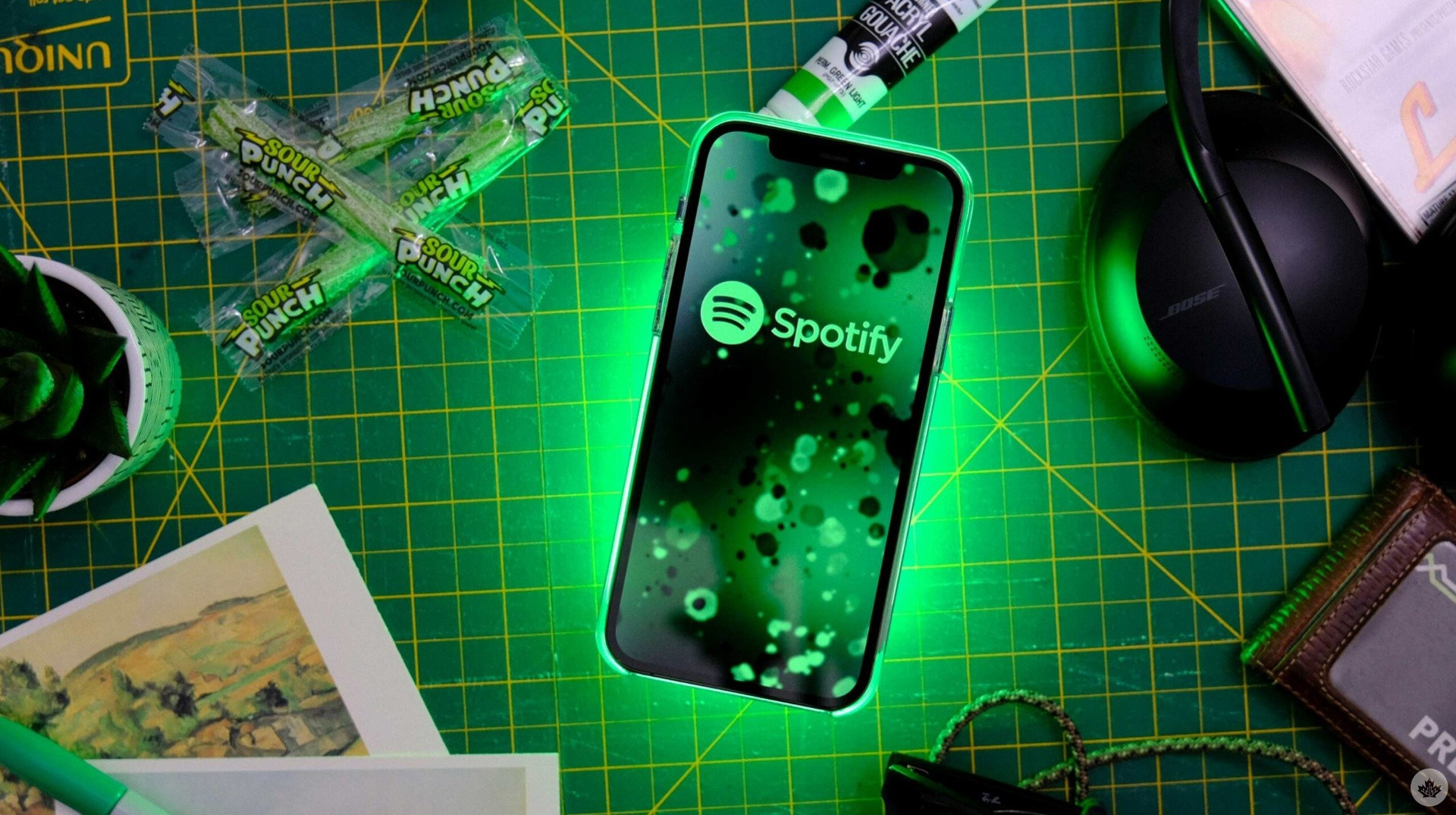
    Spotify has publicly admitted that its platform has been inundated with low-quality, AI-generated music—so much so that it’s coined the term “AI slop” to describe the wave of spam tracks that have been diluting the ecosystem and siphoning royalties from legitimate artists. According to its own announcements, the company has already removed some 75 million spammy or AI-generated tracks over the past year and is rolling out new tools and policies to stem the flood. Among its responses: a music spam filter to tag and de-prioritize manipulative content, stricter bans on voice cloning or impersonation without permission, and plans to adopt an industry metadata standard (via DDEX) allowing creators to disclose the role of AI in their work. While Spotify insists it will not punish artists who use AI responsibly, the scale of the problem and its technical challenges make enforcement a steep hill to climb.

    Sources: Spotify Newsroom, The Guardian

    Key Takeaways

    – Spotify removed about 75 million tracks flagged as “spam” or AI-generated in the past year to counter abuses of its royalty system.

    – New rules include a music spam filter, stronger impersonation/cloning bans, and support for AI disclosure metadata in song credits.

    – The company pledges not to punish responsible AI use, but the success of these protections depends heavily on enforcement and accuracy in filtering.

    In-Depth

    Spotify’s recent admission that its platform is overrun by what industry observers are calling “AI slop” marks a turning point in how streaming services must address generative AI’s more destructive uses. For artists, listeners, and the broader music ecosystem, the risks are serious. When bots or content farms churn out huge volumes of minimally variant music purely to rack up streaming plays, they divert royalty funds away from human creators who put real time and effort into their art. And when AI is used to impersonate or clone recognizable voices, the potential for deception and reputational harm becomes real.

    Spotify isn’t pretending this is a small issue: in its corporate announcements, it states that spam tactics such as mass uploads, duplicates, keyword tricks, or ultra-short tracks have become easier to exploit as AI tools democratize content creation. Its new “music spam filter” is designed to detect suspicious uploaders or tracks and prevent them from being recommended in algorithmic playlists. Spotify also plans to display AI involvement in track credits, thanks to collaboration with DDEX, which would let users see whether a song uses AI-generated vocals, instrumentation, or post-production work.

    That said, Spotify is trying to thread a needle: it insists that it’s not punishing artists for responsible or partial uses of AI, only malicious misuse. But critics are watching closely. The company has faced previous controversy—such as in the case of Velvet Sundown, an entirely AI-generated “band” that amassed millions of streams before being exposed, or phantom releases on the pages of established artists (e.g. the Bon Iver side project Volcano Choir) that were later taken down. Such incidents underscore the challenge: how do you distinguish “slop” from legitimate innovation when both may use overlapping technology?

    Ultimately, Spotify’s new policies are ambitious. The question is not whether they’re needed—they clearly are—but how well they can be executed, especially at scale. Filters make mistakes (false positives and negatives), metadata standards take time to standardize across labels and platforms, and bad actors will evolve their tactics. Still, this is arguably the first major public attempt by a major music platform to grapple openly with the dark side of generative AI in its service. If Spotify fails—or its safeguards are too weak—other streaming platforms may see pressure to follow, or even regulation may follow, to ensure that AI doesn’t drown out human creativity.

    Share. Facebook Twitter Pinterest LinkedIn Tumblr Email
    Previous ArticleSpaceX’s $17B Spectrum Buy Shakes Up Mobile & Satellite Industries
    Next Article Spotify Adds Shuffle Controls to Cut Down on Annoying Repeats

    Related Posts

    Taara Beam Launch Brings 25Gbps Optical Wireless Networks to Cities

    February 27, 2026

    Global Memory Shortage Set to Push Up Prices on Phones, Laptops, and More

    February 27, 2026

    OpenAI’s Stargate Data Center Ambitions Hit Major Roadblocks

    February 27, 2026

    Large Hadron Collider Enters Third Shutdown For Major Upgrade

    February 26, 2026
    Add A Comment
    Leave A Reply Cancel Reply

    Editors Picks

    Taara Beam Launch Brings 25Gbps Optical Wireless Networks to Cities

    February 27, 2026

    Global Memory Shortage Set to Push Up Prices on Phones, Laptops, and More

    February 27, 2026

    OpenAI’s Stargate Data Center Ambitions Hit Major Roadblocks

    February 27, 2026

    Large Hadron Collider Enters Third Shutdown For Major Upgrade

    February 26, 2026
    Top Reviews
    Tallwire
    Facebook X (Twitter) LinkedIn Threads Instagram RSS
    • Tech
    • Entertainment
    • Business
    • Government
    • Academia
    • Transportation
    • Legal
    • Press Kit
    © 2026 Tallwire. Optimized by ARMOUR Digital Marketing Agency.

    Type above and press Enter to search. Press Esc to cancel.