

Close Menu

    Subscribe to Updates

    Get the latest creative news from FooBar about art, design and business.

    What's Hot

    Airbnb Shifts One-Third Of Customer Support To AI In North America

    February 17, 2026

    Meta Plans Facial Recognition for Smart Glasses Amid Privacy Pushback

    February 17, 2026

    Spotify Developers Haven’t Written Code Since December Thanks to AI Transformation

    February 16, 2026
    Facebook X (Twitter) Instagram
    • Tech
    • AI News
    • Get In Touch
    Facebook X (Twitter) LinkedIn
    TallwireTallwire
    • Tech

      Meta Plans Facial Recognition for Smart Glasses Amid Privacy Pushback

      February 17, 2026

      Spotify Developers Haven’t Written Code Since December Thanks to AI Transformation

      February 16, 2026

      Waymo Goes Fully Autonomous in Nashville, Tennessee

      February 16, 2026

      Roku Plans Streaming Bundles Push to Boost Profitability in 2026

      February 15, 2026

      Russia Officially Blocks WhatsApp After Telegram Crackdown

      February 15, 2026
    • AI News

      Meta Plans Facial Recognition for Smart Glasses Amid Privacy Pushback

      February 17, 2026

      Airbnb Shifts One-Third Of Customer Support To AI In North America

      February 17, 2026

      Spotify Developers Haven’t Written Code Since December Thanks to AI Transformation

      February 16, 2026

      Australia Puts Roblox on Notice Amid Reports of Child Grooming and Harmful Content

      February 16, 2026

      UK Kids Turning to AI Chatbots and Acting on Advice at Alarming Rates

      February 16, 2026
    • Security

      US Lawmakers Urge Tighter Export Controls to Curb China’s Access to Chipmaking Equipment

      February 16, 2026

      Senator Raises Questions On eSafety Crackdown And Potential Strain On US-Australia Relationship

      February 16, 2026

      AI Safety Researcher Resigns, Warns ‘World Is in Peril’ Amid Broader Industry Concerns

      February 15, 2026

      Microsoft Warns Hackers Are Exploiting Critical Zero-Day Bugs Targeting Windows, Office Users

      February 15, 2026

      Microsoft Exchange Online’s Aggressive Filters Mistake Legitimate Emails for Phishing

      February 13, 2026
    • Health

      UK Kids Turning to AI Chatbots and Acting on Advice at Alarming Rates

      February 16, 2026

      Landmark California Trial Sees YouTube Defend Itself, Rejects ‘Social Media’ and Addiction Claims

      February 16, 2026

      Instagram Top Executive Says ‘Addiction’ Doesn’t Exist in Landmark Social Media Trial

      February 15, 2026

      Amazon Pharmacy Rolls Out Same-Day Prescription Delivery To 4,500 U.S. Cities

      February 14, 2026

      AI Advances Aim to Bridge Labor Gaps in Rare Disease Treatment

      February 12, 2026
    • Science

      XAI Publicly Unveils Elon Musk’s Interplanetary AI Vision In Rare All-Hands Release

      February 14, 2026

      Elon Musk Shifts SpaceX Priority From Mars Colonization to Building a Moon City

      February 14, 2026

      NASA Artemis II Spacesuit Mobility Concerns Ahead Of Historic Mission

      February 13, 2026

      AI Agents Build Their Own MMO Playground After Moltbook Ignites Agent-Only Web Communities

      February 12, 2026

      AI Advances Aim to Bridge Labor Gaps in Rare Disease Treatment

      February 12, 2026
    • People

      Google Co-Founder’s Epstein Contacts Reignite Scrutiny of Elite Tech Circles

      February 7, 2026

      Bill Gates Denies “Absolutely Absurd” Claims in Newly Released Epstein Files

      February 6, 2026

      Informant Claims Epstein Employed Personal Hacker With Zero-Day Skills

      February 5, 2026

      Starlink Becomes Critical Internet Lifeline Amid Iran Protest Crackdown

      January 25, 2026

      Musk Pledges to Open-Source X’s Recommendation Algorithm, Promising Transparency

      January 21, 2026
    TallwireTallwire
    Home»Tech»Spotify Acknowledges AI ‘Slop’ Surge, Pledges New Rules to Protect Artists
    Tech

    Spotify Acknowledges AI ‘Slop’ Surge, Pledges New Rules to Protect Artists

    Updated:December 25, 20254 Mins Read
    Facebook Twitter Pinterest LinkedIn Tumblr Email
    Spotify Acknowledges AI 'Slop' Surge, Pledges New Rules to Protect Artists
    Spotify Acknowledges AI 'Slop' Surge, Pledges New Rules to Protect Artists
    Share
    Facebook Twitter LinkedIn Pinterest Email

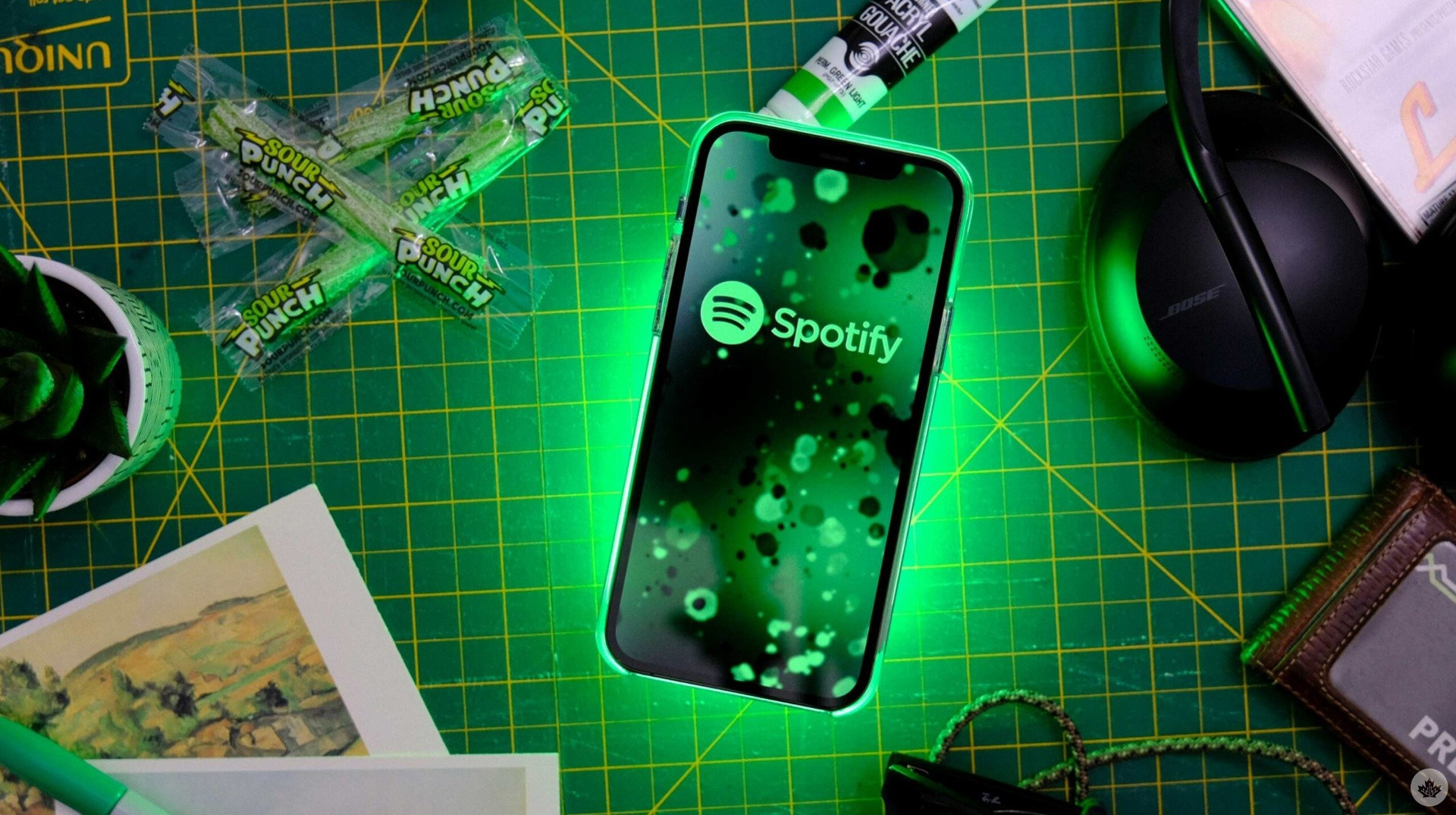
    Spotify has publicly admitted that its platform has been inundated with low-quality, AI-generated music—so much so that it’s coined the term “AI slop” to describe the wave of spam tracks that have been diluting the ecosystem and siphoning royalties from legitimate artists. According to its own announcements, the company has already removed some 75 million spammy or AI-generated tracks over the past year and is rolling out new tools and policies to stem the flood. Among its responses: a music spam filter to tag and de-prioritize manipulative content, stricter bans on voice cloning or impersonation without permission, and plans to adopt an industry metadata standard (via DDEX) allowing creators to disclose the role of AI in their work. While Spotify insists it will not punish artists who use AI responsibly, the scale of the problem and its technical challenges make enforcement a steep hill to climb.

    Sources: Spotify Newsroom, The Guardian

    Key Takeaways

    – Spotify removed about 75 million tracks flagged as “spam” or AI-generated in the past year to counter abuses of its royalty system.

    – New rules include a music spam filter, stronger impersonation/cloning bans, and support for AI disclosure metadata in song credits.

    – The company pledges not to punish responsible AI use, but the success of these protections depends heavily on enforcement and accuracy in filtering.

    In-Depth

    Spotify’s recent admission that its platform is overrun by what industry observers are calling “AI slop” marks a turning point in how streaming services must address generative AI’s more destructive uses. For artists, listeners, and the broader music ecosystem, the risks are serious. When bots or content farms churn out huge volumes of minimally variant music purely to rack up streaming plays, they divert royalty funds away from human creators who put real time and effort into their art. And when AI is used to impersonate or clone recognizable voices, the potential for deception and reputational harm becomes real.

    Spotify isn’t pretending this is a small issue: in its corporate announcements, it states that spam tactics such as mass uploads, duplicates, keyword tricks, or ultra-short tracks have become easier to exploit as AI tools democratize content creation. Its new “music spam filter” is designed to detect suspicious uploaders or tracks and prevent them from being recommended in algorithmic playlists. Spotify also plans to display AI involvement in track credits, thanks to collaboration with DDEX, which would let users see whether a song uses AI-generated vocals, instrumentation, or post-production work.

    That said, Spotify is trying to thread a needle: it insists that it’s not punishing artists for responsible or partial uses of AI, only malicious misuse. But critics are watching closely. The company has faced previous controversy—such as in the case of Velvet Sundown, an entirely AI-generated “band” that amassed millions of streams before being exposed, or phantom releases on the pages of established artists (e.g. the Bon Iver side project Volcano Choir) that were later taken down. Such incidents underscore the challenge: how do you distinguish “slop” from legitimate innovation when both may use overlapping technology?

    Ultimately, Spotify’s new policies are ambitious. The question is not whether they’re needed—they clearly are—but how well they can be executed, especially at scale. Filters make mistakes (false positives and negatives), metadata standards take time to standardize across labels and platforms, and bad actors will evolve their tactics. Still, this is arguably the first major public attempt by a major music platform to grapple openly with the dark side of generative AI in its service. If Spotify fails—or its safeguards are too weak—other streaming platforms may see pressure to follow, or even regulation may follow, to ensure that AI doesn’t drown out human creativity.

    Share. Facebook Twitter Pinterest LinkedIn Tumblr Email
    Previous ArticleSpaceX’s $17B Spectrum Buy Shakes Up Mobile & Satellite Industries
    Next Article Spotify Adds Shuffle Controls to Cut Down on Annoying Repeats

    Related Posts

    Meta Plans Facial Recognition for Smart Glasses Amid Privacy Pushback

    February 17, 2026

    Spotify Developers Haven’t Written Code Since December Thanks to AI Transformation

    February 16, 2026

    Waymo Goes Fully Autonomous in Nashville, Tennessee

    February 16, 2026

    Roku Plans Streaming Bundles Push to Boost Profitability in 2026

    February 15, 2026
    Add A Comment
    Leave A Reply Cancel Reply

    Editors Picks

    Meta Plans Facial Recognition for Smart Glasses Amid Privacy Pushback

    February 17, 2026

    Spotify Developers Haven’t Written Code Since December Thanks to AI Transformation

    February 16, 2026

    Waymo Goes Fully Autonomous in Nashville, Tennessee

    February 16, 2026

    Roku Plans Streaming Bundles Push to Boost Profitability in 2026

    February 15, 2026
    Top Reviews
    Tallwire
    Facebook X (Twitter) LinkedIn Threads Instagram RSS
    • Tech
    • Entertainment
    • Business
    • Government
    • Academia
    • Transportation
    • Legal
    • Press Kit
    © 2026 Tallwire. Optimized by ARMOUR Digital Marketing Agency.

    Type above and press Enter to search. Press Esc to cancel.