

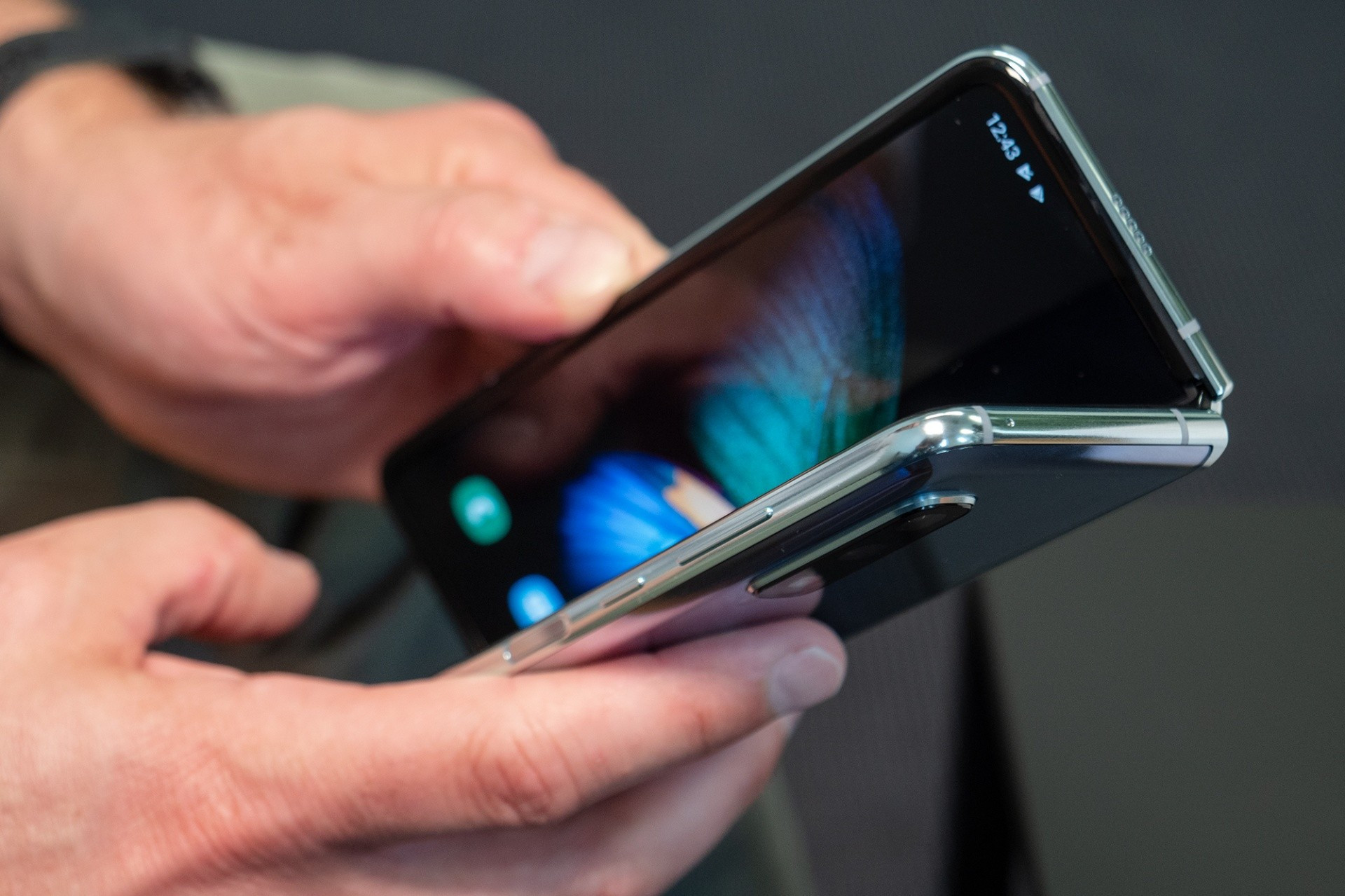
A recent psychology study shows that heavy smartphone use and feelings of disconnection feed into each other in a self-reinforcing loop, particularly among first-year college students: when students feel bored or unfocused in meaningful tasks, they tend to reach for their phones for relief, but that extra screen time tends to leave them feeling more disconnected and disengaged the next day, creating a day-to-day “snowball effect” of distraction and detachment that is hard to break without active efforts to replace scrolling with purposeful offline activities. Evidence from the study suggests that this cycle isn’t just a one-off state but a pattern where higher than usual phone use one day predicts increased feelings of disengagement the next, and higher disengagement one day predicts more phone use the following day, pointing to a psychologically reinforcing pattern that may also correlate with broader issues like strained relationships, poorer mental health, and reduced academic focus. Conservative approaches to addressing this pattern emphasize deliberate limits on screen time and prioritizing real-world social connection and structured activities to interrupt the automatic reach for digital stimulation.
Sources
https://www.psypost.org/new-psychology-research-reveals-a-vicious-cycle-involving-smartphone-use-and-feelings-of-disconnection/
https://en.wikipedia.org/wiki/Problematic_smartphone_use
https://www.psychologytoday.com/us/blog/the-leading-edge/202505/when-cell-phones-replace-people
Key Takeaways
• The study identified a bidirectional, day-to-day cycle where feelings of disengagement lead to more smartphone use, and more smartphone use leads to greater feelings of disengagement and disconnection.
• Excessive smartphone and digital media use is associated with broader negative social and psychological outcomes, including poorer mental health, disrupted relationships, and lower focus on meaningful tasks.
• Breaking this cycle requires active strategies like setting strict phone-free periods, engaging in offline activities, and consciously prioritizing face-to-face interactions over passive digital scrolling.
In-Depth
Recent research into the behavioral patterns surrounding smartphone use reveals a concerning dynamic that goes beyond occasional distraction and into a self-reinforcing psychological cycle of disconnection and disengagement. Researchers tracking first-year college students found that when individuals feel bored, unfocused, or socially detached, they often instinctively reach for their smartphones in search of relief or mental stimulation. At first glance, this might seem like a harmless or mundane habit — many of us have felt that impulse during a lull in a lecture or a break between tasks. However, the data suggest that this seemingly natural response actually sets the stage for a cycle that makes the original problem worse, day after day. Excessive or dysregulated phone use doesn’t soothe feelings of detachment; instead, it tends to heighten them, leaving students feeling even more disengaged the next day. Over time, these day-to-day patterns accumulate into a snowballing effect that becomes self-sustaining unless interrupted intentionally.
The significance of this finding is that it frames smartphone dependence not as a static trait but as a dynamic process: moments of disengagement spark screen reliance, and screen reliance makes subsequent moments of engagement with real-world tasks and relationships harder to achieve. From a broader social perspective, this dynamic resonates with long-standing concerns about what psychologists term “problematic smartphone use,” a pattern characterized by compulsive checking, a sense of psychological dependence on the device, and interference with face-to-face connections and meaningful activities. Research on problematic smartphone use ties extensive screen time to a range of negative outcomes, including anxiety, depression, disrupted sleep patterns, and a decrement in the quality of interpersonal relationships. These associations extend beyond college students into wider populations, suggesting that the underlying mechanisms — such as reliance on immediate digital stimulation to escape uncomfortable emotions — are not limited to a single age group or context but are symptomatic of a broader shift in how technology intersects with human behavior.
Conservative strategies for addressing these patterns emphasize the need for conscious and structured changes rather than passive hope for better habits. Setting strict phone-free study periods, joining clubs or volunteer activities, and prioritizing in-person social interactions are all practical ways to interrupt the automatic reach for screen time. These approaches align with a broader recognition that digital devices, while valuable tools, can also become default substitutes for real engagement if left unchecked. Deliberate boundaries — such as designated offline hours or phone-free zones during meals and study sessions — encourage individuals to engage meaningfully with their environments and interrupt the reinforcing loop of disengagement and digital distraction. Ultimately, understanding smartphone use as part of a psychological cycle rather than an isolated habit points toward solutions that emphasize real-world engagement and intentional habits over passive screen consumption.