

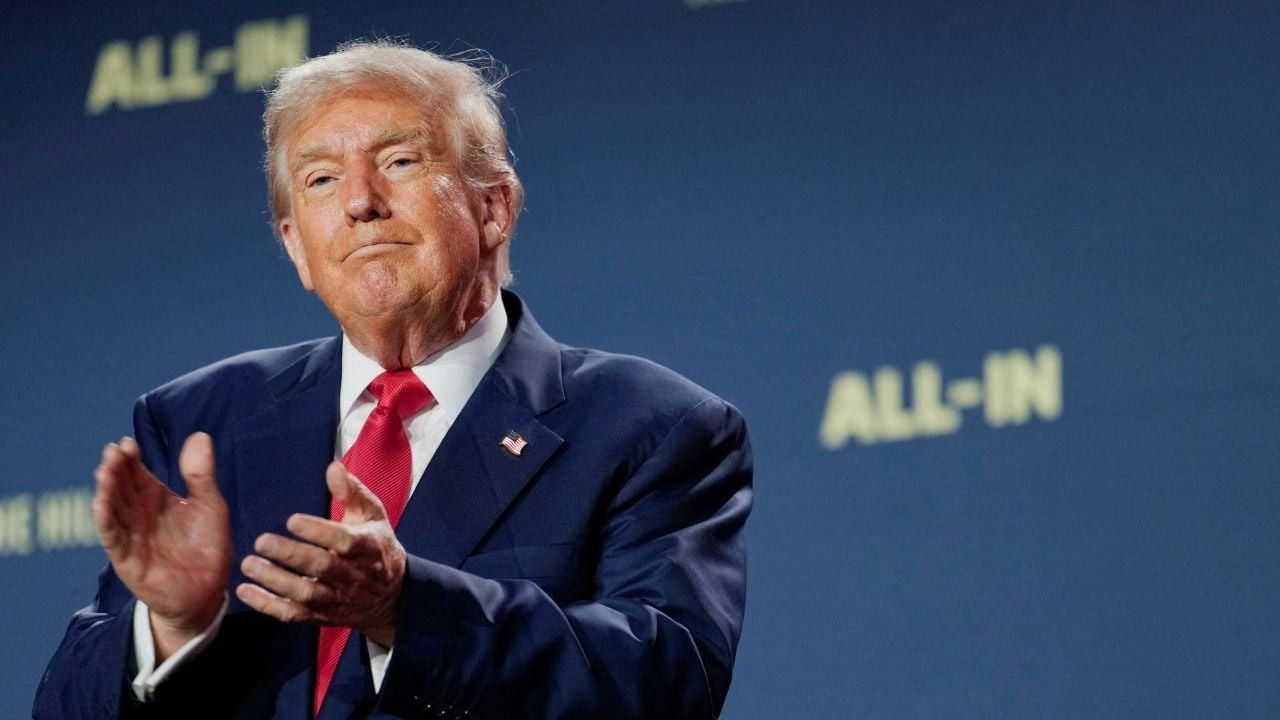
A newly unveiled artificial intelligence policy framework backed by Donald Trump seeks to override a growing patchwork of state-level AI regulations while placing primary responsibility for protecting children online on parents rather than federal mandates or platform enforcement. The proposal reflects a broader push to centralize regulatory authority at the federal level, arguing that inconsistent state laws risk stifling innovation and fragmenting the U.S. tech landscape. At the same time, the framework signals a philosophical shift away from imposing strict compliance burdens on technology companies—especially around child safety—and instead emphasizes parental control tools, education, and individual responsibility. Supporters argue the approach preserves competitiveness and avoids overregulation, while critics warn it could weaken safeguards and leave families navigating increasingly complex digital risks with fewer institutional protections.
Sources
https://techcrunch.com/2026/03/20/trumps-ai-framework-targets-state-laws-shifts-child-safety-burden-to-parents
https://www.reuters.com/technology/trump-ai-policy-framework-state-laws-parents-child-safety-2026-03-21/
https://www.bloomberg.com/news/articles/2026-03-21/trump-ai-plan-seeks-to-limit-state-rules-and-redefine-online-child-protection
Key Takeaways
- The framework aims to preempt state-level AI regulations, consolidating authority at the federal level to avoid a fragmented regulatory environment.
- Responsibility for children’s online safety is shifted more heavily toward parents, reducing direct compliance expectations on tech companies.
- The proposal reflects a broader deregulatory approach intended to accelerate AI development while raising concerns about reduced consumer protections.
In-Depth
The emerging artificial intelligence framework tied to Donald Trump’s policy vision underscores a familiar tension in American governance: innovation versus regulation. By seeking to override state-level AI laws, the proposal takes aim at what many in the technology sector see as a looming regulatory maze. States like California and New York have already begun advancing their own AI rules, creating the potential for a fractured system that companies must navigate on a jurisdiction-by-jurisdiction basis. The framework’s federal-first approach is designed to eliminate that complexity, arguing that a unified national standard is essential if the United States is to remain competitive against global rivals, particularly China.
Where the proposal becomes more contentious is in its approach to child safety. Rather than expanding federal mandates on platforms—such as stricter content moderation requirements or liability standards—the framework pivots toward empowering parents. This includes promoting parental control technologies, digital literacy, and household-level oversight as the primary safeguards. The underlying philosophy is clear: government intervention should be limited, and families should retain autonomy over how children engage with digital environments.
Critics, however, argue that this shift may underestimate the scale and sophistication of modern online risks. Platforms driven by algorithmic engagement systems can expose minors to harmful content at speeds and volumes that many parents are ill-equipped to manage alone. By reducing regulatory pressure on companies, opponents contend, the framework could create gaps in accountability at precisely the moment when AI-driven content generation is accelerating.
Supporters counter that heavy-handed regulation could choke off innovation and push development overseas. They emphasize that empowering parents aligns with broader principles of personal responsibility and limited government. Whether this balance ultimately strengthens or weakens protections will likely depend on how the framework is implemented—and whether complementary tools and education efforts keep pace with rapidly evolving technology.