

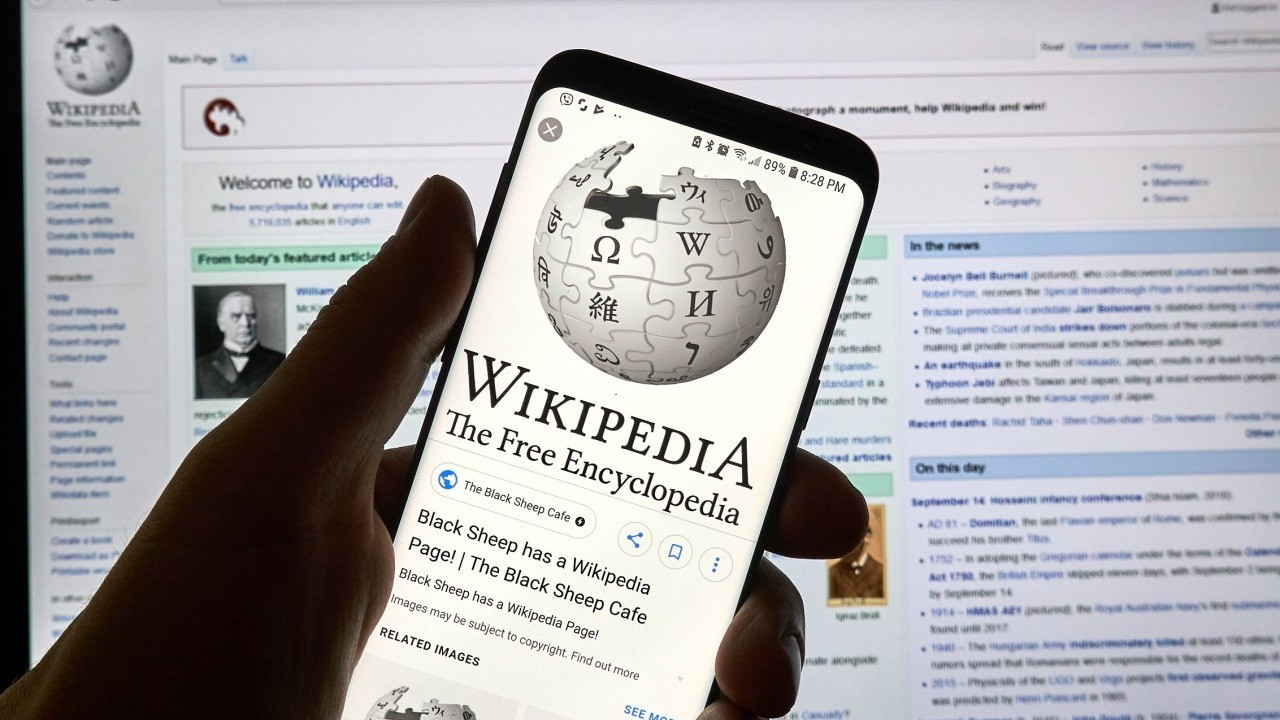
Wikipedia has moved decisively to restrict the use of artificial intelligence in article writing, formally prohibiting editors from using large language models to generate or rewrite encyclopedia content while still allowing limited AI-assisted functions such as translation and minor copyediting under strict human oversight, reflecting growing concern that AI-generated material frequently introduces inaccuracies, fabricated citations, and violations of core standards like verifiability and neutrality, as the platform seeks to preserve its credibility and human-driven editorial model in the face of rapidly expanding AI usage across digital media.
Sources
https://techcrunch.com/2026/03/26/wikipedia-cracks-down-on-the-use-of-ai-in-article-writing/
https://www.theverge.com/tech/901461/wikipedia-ai-generated-article-ban
https://www.theguardian.com/technology/2026/mar/27/wikipedia-bans-ai
Key Takeaways
- Wikipedia has formally banned AI from generating or rewriting article content, citing persistent issues with accuracy, sourcing, and neutrality.
- Limited AI use is still permitted for translation and minor edits, but only under strict human verification and without adding new information.
- The policy reflects broader concerns that unchecked AI content could erode trust in widely used information platforms.
In-Depth
Wikipedia’s decision to crack down on artificial intelligence in article creation is less about resisting technological change and more about defending a model that has, for decades, relied on human judgment, verification, and accountability. At its core, the move underscores a fundamental tension: AI systems are powerful at producing text that appears authoritative, but they remain prone to subtle and sometimes significant factual errors, fabricated citations, and contextual misunderstandings. For a platform that built its reputation on verifiability and neutral sourcing, that risk is not theoretical—it’s existential.
The updated policy draws a clear line. AI can assist, but it cannot author. That distinction matters. By allowing tools to handle translation or minor grammatical improvements, Wikipedia acknowledges that AI has practical utility. However, by banning its use in generating substantive content, the platform is effectively rejecting the idea that machine-produced knowledge—at least in its current form—can meet the standards required for a global reference work. The concern is not simply that AI gets things wrong, but that it often does so convincingly, making errors harder to detect and correct.
There is also a broader cultural and institutional dimension to this decision. Wikipedia is one of the last large-scale, volunteer-driven knowledge projects on the internet. Its editors are not just contributors; they are gatekeepers of a system that depends on transparency, debate, and traceable sourcing. Introducing AI as a primary content generator risks diluting that accountability. If an article is wrong, who is responsible—the editor who pasted the output, or the model that generated it?
At the same time, the policy reflects a growing skepticism across the digital ecosystem about the role of AI in information production. As more platforms grapple with AI-generated “content inflation,” the question is no longer whether AI can produce text, but whether that text can be trusted. Wikipedia’s answer, at least for now, is cautious and deliberate: human oversight remains indispensable, and the integrity of information is not something to be outsourced to algorithms.