

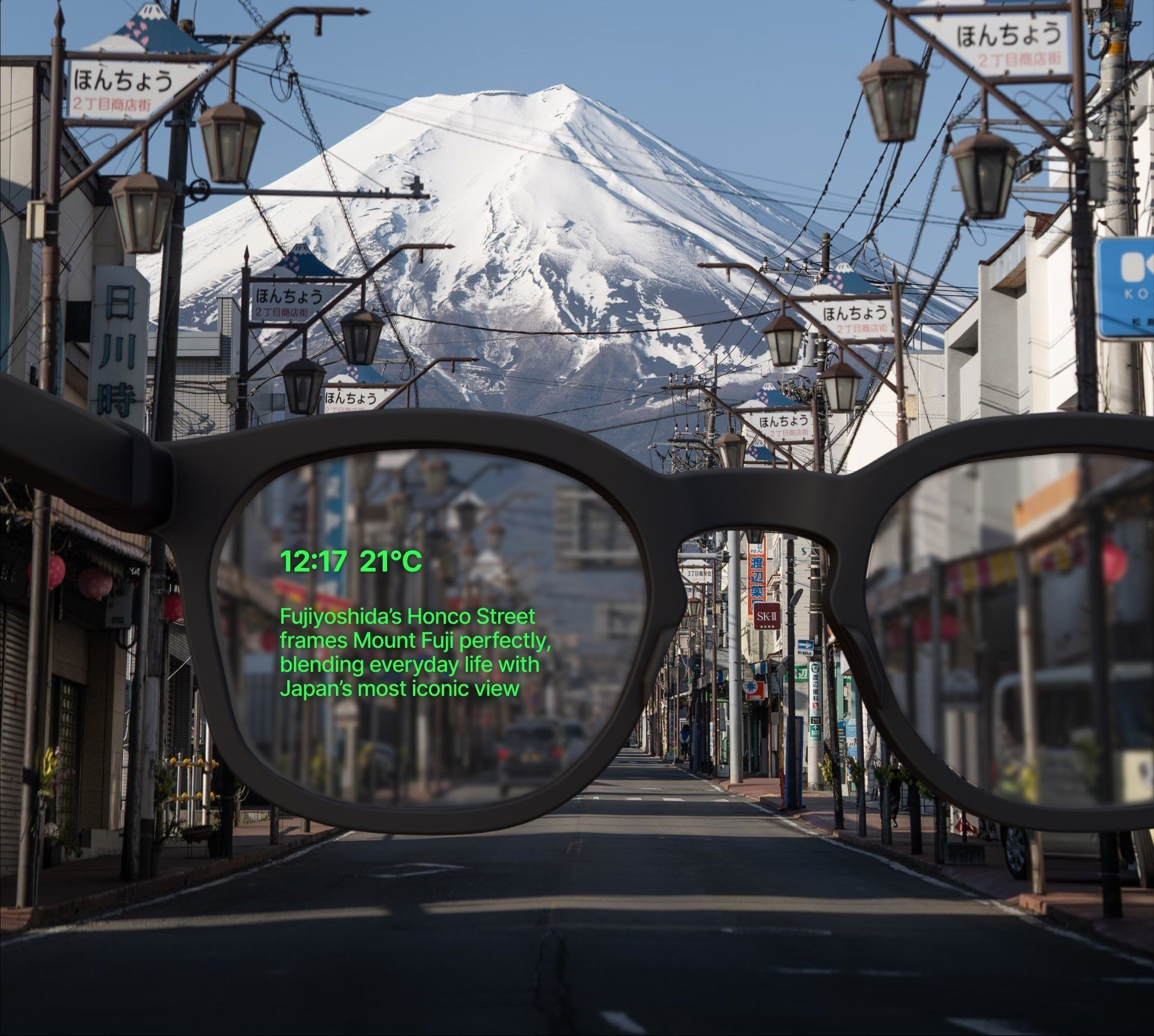
A new technological push in South Korea’s theater scene is leveraging AI-powered smart glasses to deliver real-time translations directly to audience members, allowing non-Korean speakers to follow live performances without altering the original language of the production; the system listens to dialogue and projects synchronized subtitles onto the lenses, aiming to preserve artistic authenticity while expanding global accessibility, though early adoption highlights issues like occasional translation inaccuracies, timing delays, and physical discomfort for some users, even as producers and tourism officials see the innovation as a strategic tool to export Korean cultural content to a broader international audience.
Sources
https://engtechnica.com/smart-glasses-bring-korean-theater-to-a-global-audience/
https://gizmodo.com/smart-glasses-finally-found-a-warm-embrace-the-theater-2000747865
https://koreajoongangdaily.joins.com/news/2026-03-14/business/tech/Through-the-looking-glass-AI-turns-theater-dialogue-into-floating-subtitles/2542999
Key Takeaways
- AI-powered glasses are being deployed in theaters to deliver live, synchronized translations without changing the original language of performances.
- The technology is positioned as a tool to expand global reach for Korean cultural exports while maintaining authenticity.
- Early limitations—including translation errors, timing issues, and user comfort—suggest the technology is promising but not yet fully refined.
In-Depth
There’s something fundamentally telling about where this technology is gaining traction: not in Silicon Valley boardrooms, but in live theater—a place where authenticity still matters. South Korea’s embrace of AI translation glasses is less about novelty and more about solving a real problem: how do you export culture without watering it down? Instead of translating scripts or altering performances for foreign audiences, producers are effectively saying, “the art stays intact—you adapt to it,” and now technology makes that possible.
The mechanics are straightforward but consequential. AI listens to spoken dialogue in real time, processes it, and delivers translated text directly onto the viewer’s lenses. This eliminates the need for traditional subtitle screens, which can pull attention away from the stage. In theory, it creates a more immersive experience, one where audiences engage with the performance as it was meant to be seen.
But let’s not pretend this is a flawless breakthrough. Early users have reported lag in translations and occasional inaccuracies—issues that matter a great deal in performance art, where nuance, timing, and subtext carry weight. There’s also the practical reality that wearing hardware on your face for hours isn’t seamless, particularly for those already using prescription glasses.
Still, the broader trajectory is clear. Korean entertainment has already demonstrated a knack for scaling globally without losing its identity. This is simply the next iteration—technology stepping in to remove language as a barrier rather than rewriting content to fit foreign expectations. If the kinks are worked out, this model doesn’t just apply to theater; it could redefine how live cultural experiences are shared worldwide.