

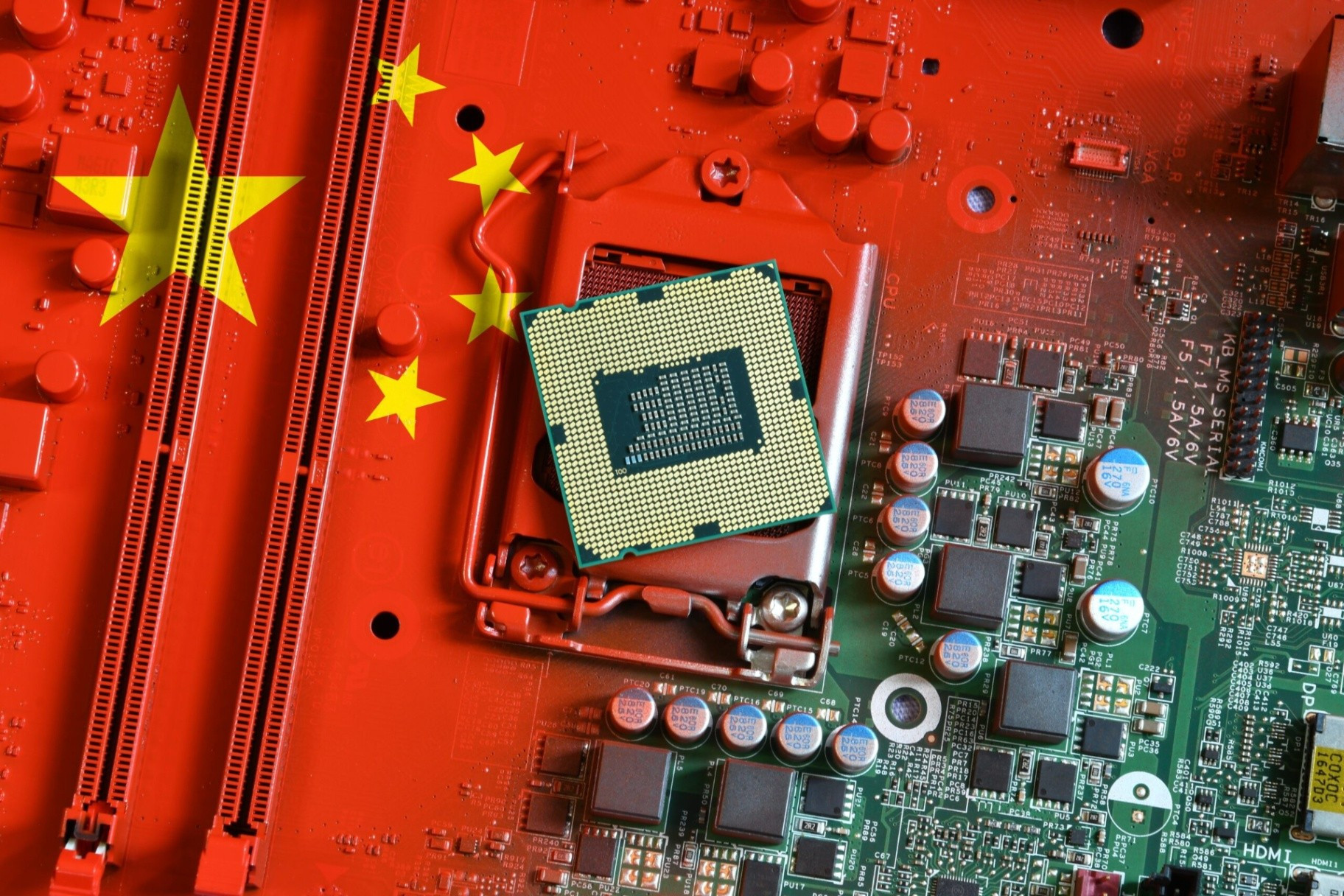
China’s government has reportedly intervened to halt a planned acquisition by Meta of Chinese artificial intelligence startup Manus, underscoring the regime’s tightening grip over strategic technologies and its resistance to foreign control in sensitive sectors. The move reflects broader concerns within Beijing about data security, intellectual property, and maintaining domestic dominance in AI development, particularly as competition with U.S.-based firms accelerates. The blocked deal signals a continuation of China’s pattern of restricting outbound technology transfers and limiting foreign influence over homegrown innovation, even as global tech companies seek partnerships to stay competitive in the rapidly evolving AI landscape.
Sources
https://www.theepochtimes.com/tech/chinese-regime-blocks-metas-planned-acquisition-of-ai-startup-manus-6017635
https://www.reuters.com/technology/china-tightens-controls-ai-data-security-foreign-deals-2026-04-27/
https://www.wsj.com/tech/ai/china-restricts-foreign-acquisitions-ai-startups-security-concerns-2026-04-27
Key Takeaways
- China is increasingly restricting foreign acquisitions of domestic AI firms, citing national security and data control concerns.
- The move highlights growing technological decoupling between the U.S. and China, particularly in artificial intelligence.
- Global tech companies face mounting barriers when attempting to access or integrate with Chinese innovation ecosystems.
In-Depth
China’s decision to block Meta’s attempted acquisition of Manus fits squarely within a broader strategic posture that prioritizes technological sovereignty over market openness. While multinational corporations have long viewed China as both a market and a source of innovation, Beijing has steadily recalibrated that relationship, especially in sectors deemed critical to national security, such as artificial intelligence. The calculus is straightforward: control the data, control the algorithms, and you control the future.
This development reinforces the reality that China is not interested in playing by the same economic rules that facilitated its rise. Instead, it is actively shaping a parallel ecosystem where domestic firms are protected, cultivated, and ultimately positioned to compete globally without foreign interference. For American companies like Meta, the implication is clear—access to Chinese innovation will come with significant limitations, if it is allowed at all.
At the same time, this move reflects deeper anxieties within the Chinese leadership about the risks of foreign ownership of advanced technologies. AI is not merely a commercial tool; it is increasingly viewed as a pillar of military capability, surveillance infrastructure, and economic leverage. Allowing a U.S. firm to acquire a promising domestic startup would run counter to Beijing’s long-term strategic interests.
The result is a continued unraveling of the once-interconnected global tech landscape. What was previously a mutually beneficial exchange of capital and innovation is evolving into a more fragmented, competitive environment. For policymakers and business leaders alike, this is another signal that the era of seamless globalization in high-tech industries is fading, replaced by a more guarded and adversarial dynamic.