

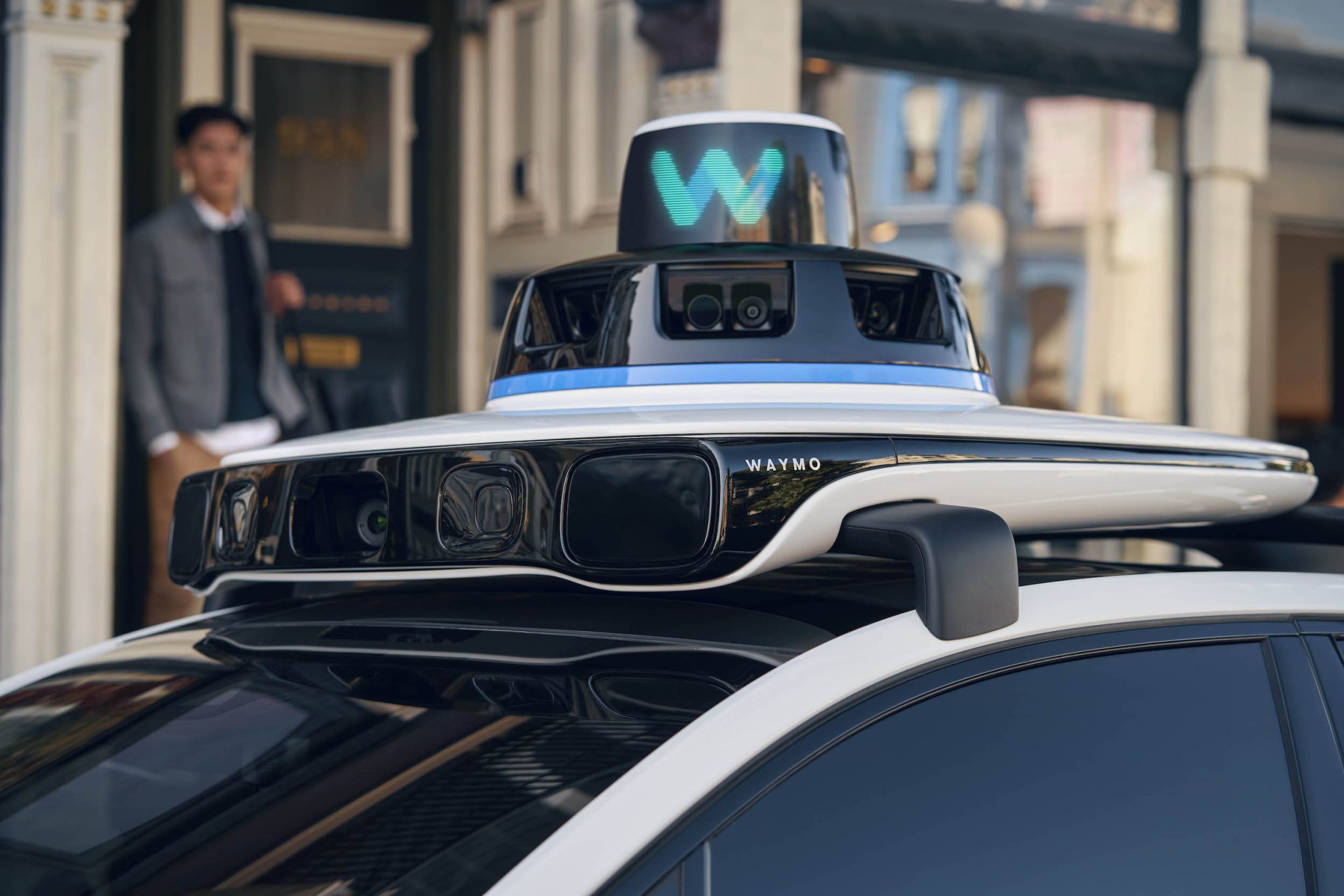
A recent technology-focused podcast episode examining the rise of autonomous vehicles argues that America may be approaching a transportation transformation far larger than most people realize. The discussion centered on how companies developing self-driving systems, particularly in the robotaxi space, are moving beyond experimental deployments and into real-world scaling. Advocates contend that autonomous vehicles could dramatically reduce traffic fatalities, increase mobility for the elderly and disabled, and free Americans from the burdens of daily driving. At the same time, critics warn that surrendering control to algorithms introduces new risks involving safety, accountability, privacy, and economic disruption. The broader debate reflects a larger cultural question: whether technological convenience should replace individual control and responsibility behind the wheel. As autonomous vehicle companies expand into more cities and seek wider public acceptance, policymakers, consumers, and investors are increasingly confronting the reality that the future of transportation may arrive much sooner than expected.
Sources
- https://www.nytimes.com/2026/05/29/podcasts/29hardfork-waymo-interesting-times.html
- https://podcasts.apple.com/us/podcast/hard-fork/id1528594034
- https://www.youtube.com/watch?v=b-cHGQa_AxE
Key Takeaways
- Autonomous vehicle advocates increasingly argue that self-driving technology is no longer a theoretical concept but an emerging commercial reality poised for large-scale deployment.
- The promise of dramatically reducing traffic accidents is becoming one of the strongest political and economic arguments in favor of robotaxi expansion.
- Despite the enthusiasm surrounding autonomous transportation, legitimate concerns remain regarding government regulation, liability, privacy, workforce disruption, and society’s willingness to surrender personal control to artificial intelligence.
In-Depth
For decades, Americans have been promised a future filled with flying cars, robotic assistants, and fully automated transportation. While many of those predictions never materialized, driverless vehicles now appear to be moving from speculative technology into practical reality. Companies operating autonomous taxi fleets are expanding their reach, attracting investment, and steadily building public familiarity with vehicles that operate without a human driver.
Supporters point to a compelling statistic: human beings cause the overwhelming majority of traffic accidents. If autonomous systems can consistently outperform distracted, impaired, fatigued, or reckless drivers, the potential public safety benefits could be enormous. Reduced fatalities, greater mobility for seniors, and increased transportation access for disabled individuals represent meaningful societal advantages that are difficult to ignore.
Yet conservatives should approach the transition with cautious optimism rather than blind acceptance. Technological advancement is valuable, but concentrating transportation control within large corporations and heavily regulated government frameworks raises legitimate questions. Americans have long valued independence, personal responsibility, and individual decision-making. Replacing those principles with algorithmic management should not occur without rigorous scrutiny and accountability.
The coming battle over autonomous vehicles is therefore about far more than transportation. It is a test of how much authority citizens are willing to transfer from individuals to machines and from local decision-makers to powerful technology companies. The technology may ultimately prove beneficial, but preserving freedom, transparency, and consumer choice must remain central as America enters the driverless age.