

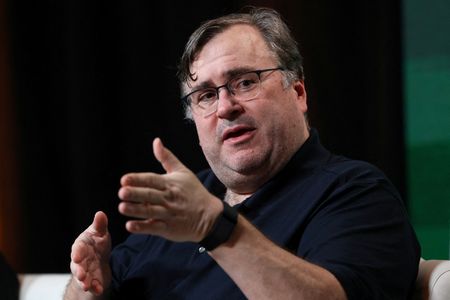
LinkedIn co-founder and venture capitalist Reid Hoffman has announced that he will not seek re-election to the board of Microsoft at the company’s 2026 annual shareholder meeting, ending a tenure that began in 2017 following Microsoft’s acquisition of LinkedIn. Microsoft stated that Hoffman’s departure is not the result of any disagreement with management, policy, or operations. Reports indicate that Hoffman intends to devote more attention to his expanding artificial intelligence and technology ventures, including new startup initiatives. His exit closes a significant chapter in Microsoft’s relationship with one of Silicon Valley’s most influential investors and entrepreneurs, a figure who helped bridge the worlds of venture capital, social networking, and artificial intelligence during a period of rapid technological transformation.
Sources
- https://www.reuters.com/business/linkedin-co-founder-reid-hoffman-step-down-microsofts-board-2026-06-05
- https://www.geekwire.com/2026/linkedin-co-founder-reid-hoffman-to-leave-microsoft-board-after-nearly-a-decade
- https://news.bloomberglaw.com/tech-and-telecom-law/linkedin-co-founder-reid-hoffman-to-leave-microsofts-board-1
- https://finance.yahoo.com/markets/stocks/articles/linkedin-co-founder-reid-hoffman-154541318.html
Key Takeaways
- Reid Hoffman will leave Microsoft’s board after nearly a decade of service, remaining in place until the company’s 2026 annual shareholder meeting.
- Microsoft emphasized that Hoffman’s departure stems from personal and professional priorities rather than any dispute with company leadership or governance.
- The move reflects the continuing gravitational pull of artificial intelligence entrepreneurship, with Hoffman reportedly returning to a more active founder role focused on emerging AI ventures.
In-Depth
Reid Hoffman’s departure from Microsoft’s board marks more than a routine governance change. It highlights how rapidly the center of gravity in the technology sector has shifted toward artificial intelligence and the entrepreneurial opportunities surrounding it. After helping build LinkedIn into a dominant professional networking platform and later guiding Microsoft as a board member following the company’s acquisition of LinkedIn, Hoffman is choosing to redirect his attention toward the next generation of AI-driven innovation.
For Microsoft, the announcement closes a period in which Hoffman served as a valuable connection between the software giant and Silicon Valley’s venture capital ecosystem. His influence extended beyond LinkedIn, touching investments in startups, AI development, and emerging technologies that increasingly shaped Microsoft’s strategic direction. During his tenure, Microsoft evolved from a mature software company into one of the central players in the AI race.
From a conservative perspective, Hoffman’s exit also underscores a broader reality about modern technology markets: innovation is still driven primarily by entrepreneurs willing to leave established institutions in pursuit of new opportunities. While large corporations provide scale and resources, transformative advances often originate with founders willing to take risks. Hoffman’s decision to return to what he describes as “founder mode” reflects that enduring dynamic.
As Washington debates how aggressively to regulate artificial intelligence, Silicon Valley’s leading figures are moving quickly to define the industry’s future. Hoffman’s departure from Microsoft’s board suggests he intends to be directly involved in shaping that future rather than merely overseeing it from a boardroom seat.