

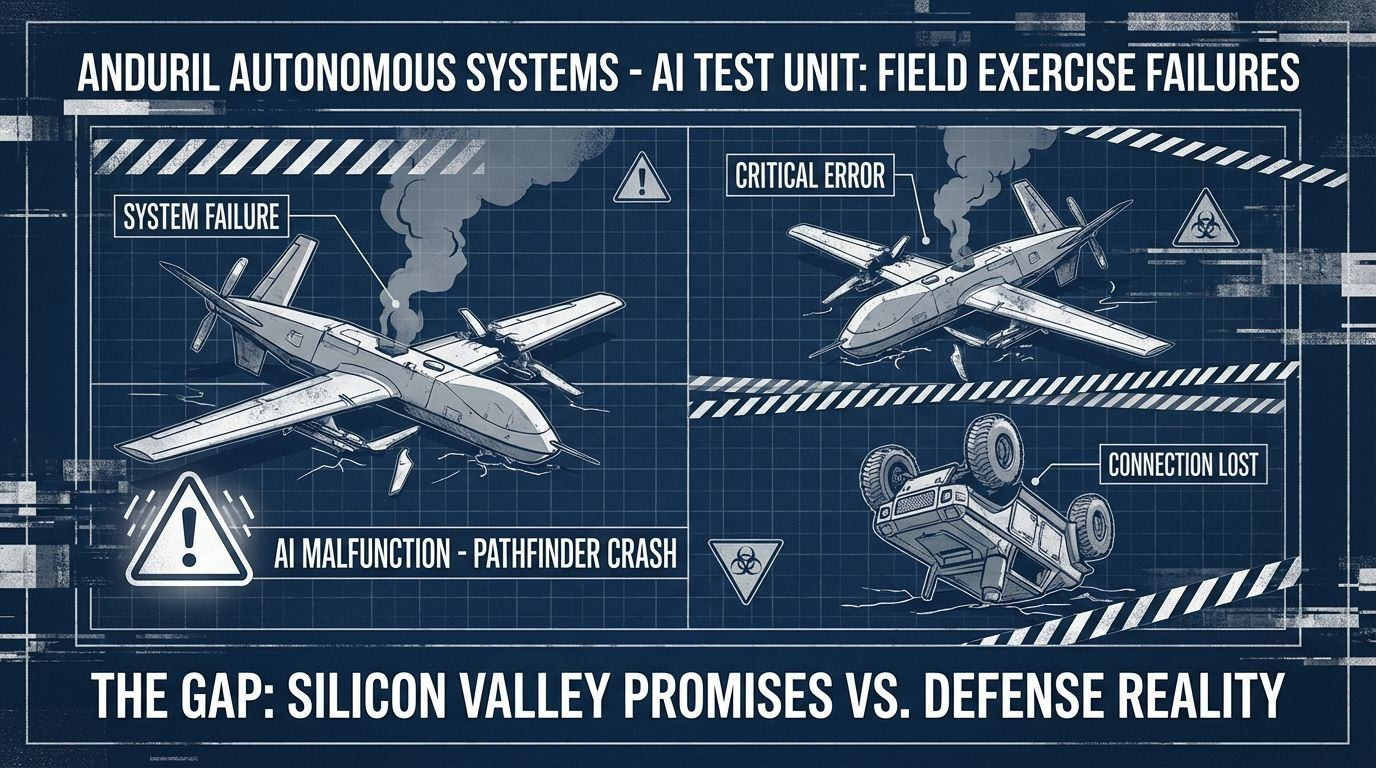
A renewed wave of dissent is emerging among Silicon Valley employees as major tech firms deepen ties with the U.S. defense establishment, particularly in deploying artificial intelligence for military use, with hundreds of workers petitioning leadership to reject classified Pentagon contracts over ethical concerns about surveillance and lethal applications; however, unlike earlier uprisings such as the 2018 backlash against drone-analysis programs, today’s workforce appears more restrained amid layoffs, shifting political winds, and a growing alignment between corporate leadership and national security priorities, underscoring a widening divide between profit-driven defense partnerships and employee-driven calls for moral guardrails in the age of AI warfare.
Sources
https://www.thetimes.com/us/business-us/article/silicon-valley-workers-revolt-ai-weapons-7585nrd3g
https://www.theguardian.com/technology/2026/apr/28/google-classified-ai-deal-pentagon
https://www.washingtonpost.com/technology/2025/05/16/silicon-valley-workers-dissent-employment-layoffs-whistleblowers/
Key Takeaways
- Tech employees remain uneasy about AI being used in military contexts, particularly around surveillance and autonomous targeting, but their influence appears diminished compared to earlier protests.
- Major technology firms are increasingly embracing defense contracts, signaling a structural shift toward closer alignment with government and national security objectives.
- Economic pressures, including layoffs and a more competitive job market, are reducing worker activism and strengthening corporate leverage over internal dissent.
In-Depth
What’s unfolding in Silicon Valley is less a full-scale rebellion and more a quiet but telling standoff between employees and leadership, one that reflects broader changes in both the tech economy and the political climate. In earlier years, workers at major firms were emboldened to challenge their employers over controversial government contracts, most notably forcing the cancellation of projects tied to military drone surveillance. Today, that same workforce is still voicing concern—hundreds signing letters, raising alarms—but the tone is more cautious, and the results are far less decisive.
The reason isn’t complicated. The balance of power has shifted. After years of layoffs and economic tightening across the tech sector, employees are far more aware that their leverage has limits. When jobs are less secure, activism tends to take a back seat to self-preservation. At the same time, companies are increasingly viewing defense partnerships not as reputational risks, but as strategic opportunities. With governments pouring resources into artificial intelligence for national security purposes, these contracts represent a stable and lucrative revenue stream that corporate leadership is reluctant to walk away from.
There’s also a broader ideological realignment underway. Tech executives who once positioned themselves as neutral or even resistant to government entanglements are now more openly embracing roles that support national defense priorities. From a pragmatic standpoint, this reflects the reality that technological superiority is now central to geopolitical competition. But it also raises legitimate concerns about how far companies are willing to go—and whether internal voices of caution will continue to be sidelined.
In the end, the friction inside Silicon Valley isn’t going away. Employees still recognize the moral stakes involved in building systems that could influence life-and-death decisions. Yet for now, the momentum clearly favors those steering these companies toward deeper integration with government power, leaving worker resistance as more of a warning signal than a decisive force.