

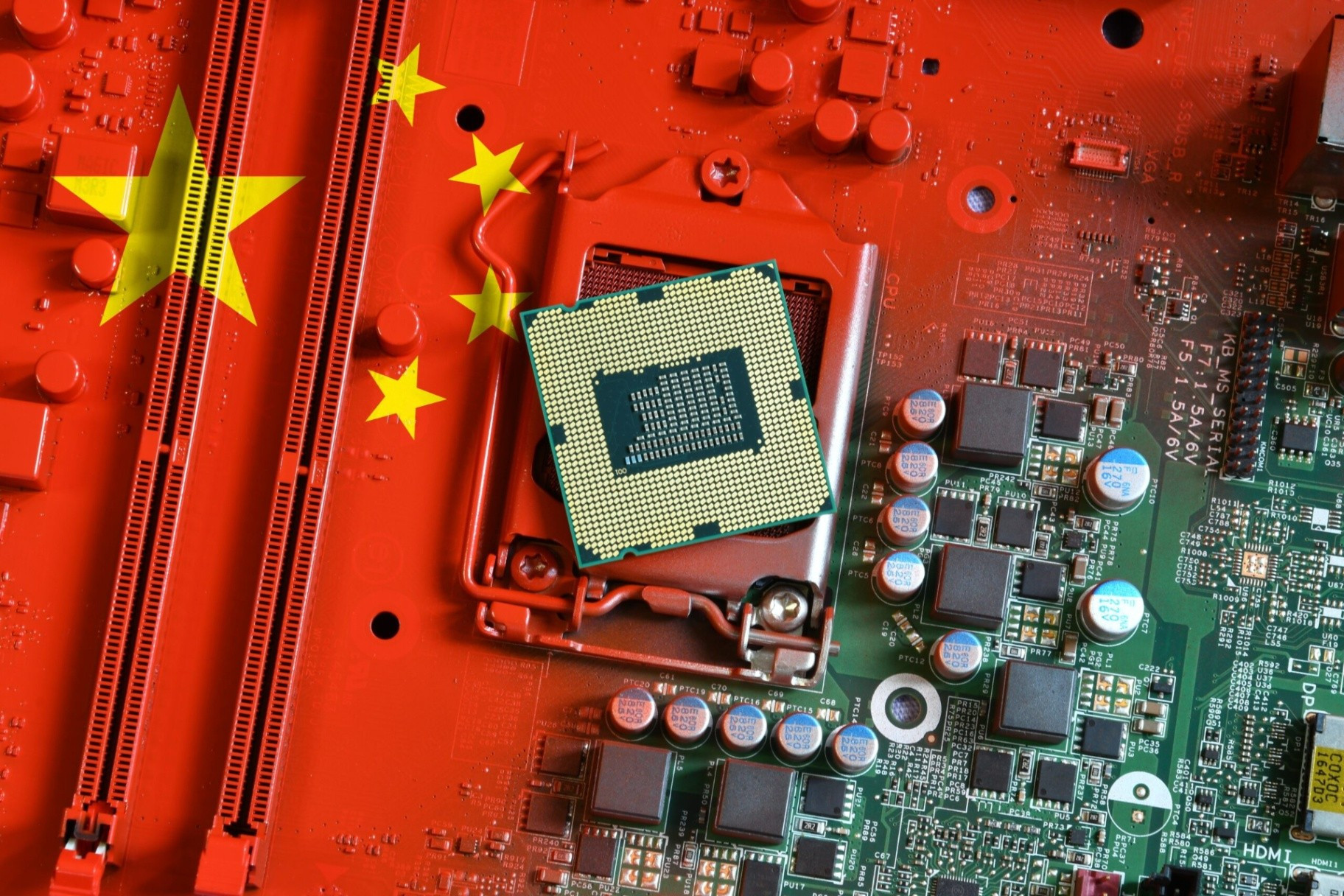
The Trump administration has awarded $500 million to SandboxAQ, an AI company backed by major technology investors, in a strategic effort to reduce America’s dependence on China-controlled materials that are essential to semiconductor manufacturing. The initiative focuses on developing alternatives to rare-earth-dependent magnets, PFAS chemicals, advanced catalysts, and battery technologies that currently rely heavily on foreign supply chains. Unlike consumer AI systems built around language models, SandboxAQ uses physics- and chemistry-based quantitative models to accelerate scientific discovery and identify viable domestic substitutes for critical industrial inputs. The investment reflects a broader national-security strategy aimed at strengthening American manufacturing, reducing vulnerability to geopolitical disruptions, and restoring U.S. leadership in key technologies that underpin both economic competitiveness and defense capabilities.
Sources
- https://www.theepochtimes.com/us/us-invests-500-million-in-ai-startup-to-find-alternatives-to-china-dominated-chip-materials-6049313
- https://www.reuters.com/technology/us-awards-500-million-nvidia-backed-sandboxaq-finding-new-chipmaking-materials-2026-06-17
- https://thenextweb.com/news/sandboxaq-500-million-chips-act-materials-ai
- https://aiweekly.co/alerts/sandboxaq-wins-500m-chips-award-for-materials-ai
Key Takeaways
- The federal government is using AI not merely as a productivity tool but as a strategic weapon to strengthen domestic supply chains and reduce dependence on China-controlled materials.
- Rare-earth-free magnets, PFAS alternatives, advanced catalysts, and next-generation battery technologies have emerged as critical chokepoints in semiconductor manufacturing and national security.
- Washington is increasingly treating technological competition with China as a long-term industrial strategy challenge, investing directly in research and development that could reshape the future of American manufacturing.
In-Depth
For years, policymakers have talked about reducing America’s dependence on China for critical manufacturing inputs. The $500 million investment in SandboxAQ represents a significant step toward actually doing something about it. Rather than focusing solely on building more chip factories, the administration is targeting a less visible but equally important problem: the materials that make advanced semiconductor production possible.
China’s dominance in rare-earth processing, battery supply chains, and other critical industrial sectors has created strategic vulnerabilities for the United States. Even when semiconductor fabrication takes place on American soil, many of the materials required to support that production originate from supply chains that Beijing can influence or disrupt. That reality has become increasingly unacceptable as semiconductors grow more important to artificial intelligence, military systems, communications infrastructure, and economic competitiveness.
SandboxAQ’s approach is particularly noteworthy because it uses scientific AI models trained on physics and chemistry rather than traditional language data. The goal is to dramatically accelerate the discovery of commercially viable alternatives to materials that currently depend on foreign sources. If successful, the effort could shorten research timelines from years to months while helping establish domestic sources for key industrial inputs.
The larger significance extends beyond semiconductors. This investment signals a growing recognition that America’s competition with China will not be won merely through regulations or trade restrictions. It will require innovation, technological leadership, and the deliberate rebuilding of industrial capabilities that have eroded over decades. By investing in AI-driven scientific discovery, Washington is betting that American ingenuity can once again become a decisive competitive advantage in the race for technological supremacy.