

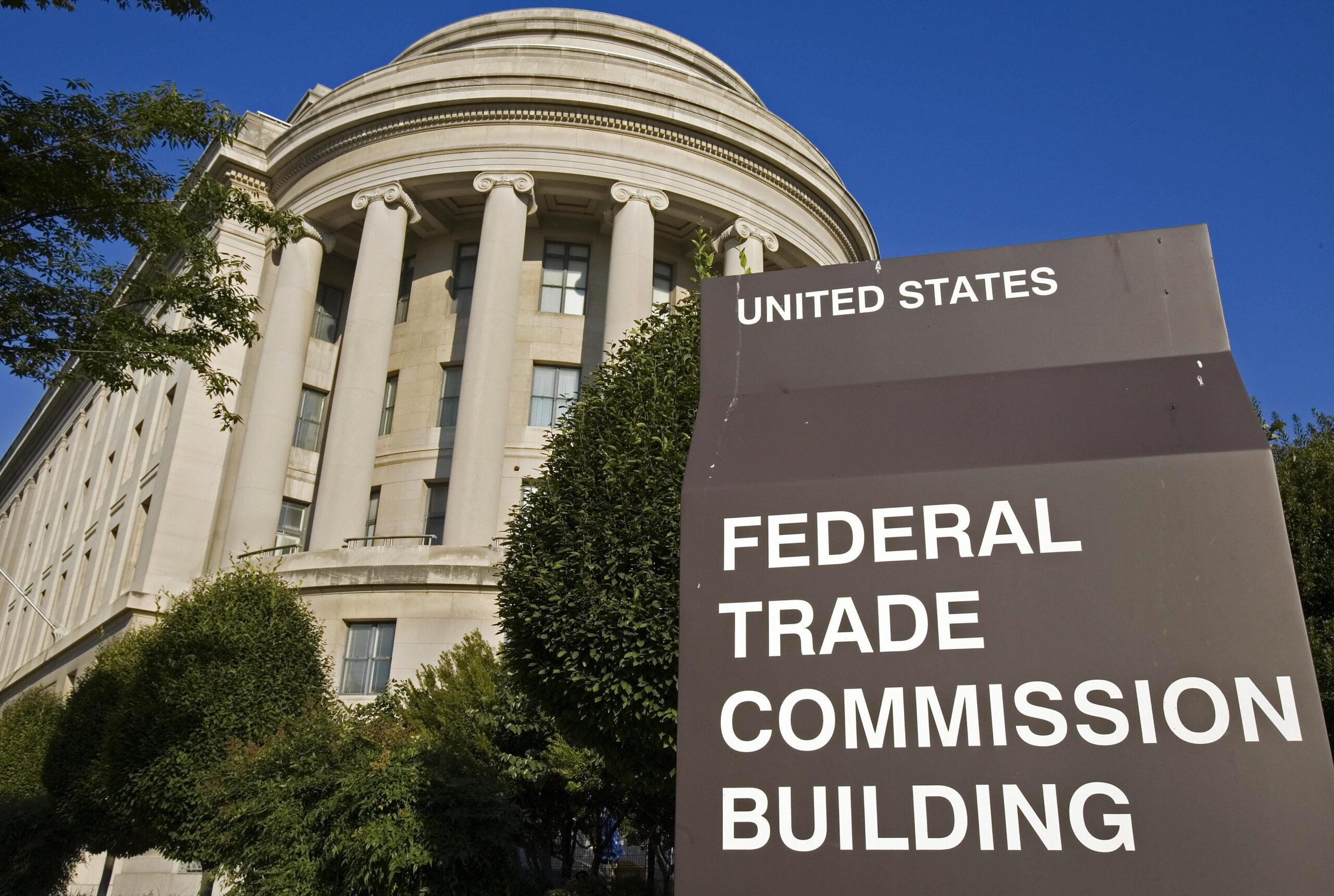
Americans are losing staggering sums of money to scams originating on social media platforms, with federal regulators warning that fraudsters are exploiting trust, anonymity, and algorithm-driven reach to target users at scale. The latest data shows that social media has become the leading contact method for scammers, driving billions in reported losses as criminals deploy increasingly sophisticated tactics—from impersonation schemes to fraudulent investment pitches—leaving regulators scrambling to respond and consumers bearing the financial fallout.
Sources
https://www.theepochtimes.com/tech/people-are-losing-billions-through-social-media-scams-ftc-says-6017622
https://consumer.ftc.gov/consumer-alerts/2024/02/social-media-scams-cost-consumers-billions
https://www.fbi.gov/news/stories/social-media-scams-on-the-rise-042423
Key Takeaways
- Social media platforms have become the primary gateway for scams, surpassing traditional contact methods like phone and email.
- Investment scams and impersonation schemes account for the largest financial losses, often targeting vulnerable or less tech-savvy users.
- Regulators warn that the scale and speed of fraud are outpacing enforcement efforts, placing greater responsibility on individuals to recognize threats.
In-Depth
The rapid evolution of social media has created fertile ground for fraudsters, and the financial consequences are now impossible to ignore. What was once a fringe concern has escalated into a systemic problem, with billions of dollars in reported losses tied directly to scams that originate on platforms designed for connection and communication. The core issue is structural: these platforms prioritize engagement and reach, inadvertently giving bad actors the same tools legitimate users rely on to build trust and visibility.
Scammers are exploiting that dynamic with precision. Impersonation schemes—posing as friends, romantic interests, or even public figures—leverage emotional manipulation to gain quick compliance. Meanwhile, fraudulent investment opportunities, often dressed up with polished branding and fake testimonials, promise outsized returns that lure victims into transferring large sums of money. The common thread is credibility. Social media allows scammers to manufacture it cheaply and at scale.
What makes the situation more troubling is the asymmetry between criminals and enforcement. Fraudsters adapt quickly, shifting tactics as soon as one approach becomes widely recognized. Regulators, by contrast, move more slowly, constrained by jurisdictional limits and the reactive nature of enforcement. The result is a persistent gap where scams flourish faster than they can be shut down.
Responsibility is increasingly shifting to users, whether they are equipped for it or not. While awareness campaigns stress skepticism and verification, the reality is that many victims are caught off guard by how convincing these schemes have become. The broader implication is clear: without structural changes in how platforms operate and enforce safeguards, the financial toll is likely to continue climbing.