

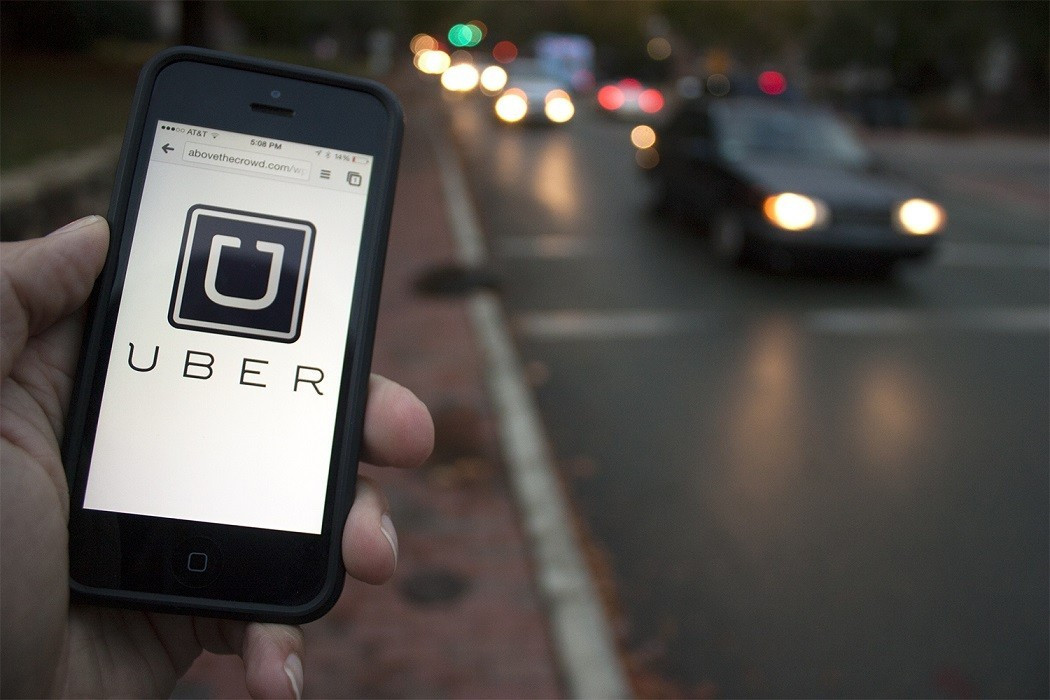
Uber is reportedly moving to leverage its vast global driver base as a real-time data collection network, aiming to supply autonomous vehicle developers with a continuous stream of road-level insights that could significantly speed up the refinement of self-driving systems. By turning millions of drivers into passive sensors through their vehicles and smartphones, the company is positioning itself as a critical infrastructure layer in the autonomous ecosystem rather than a direct competitor in building self-driving cars. This strategy reflects a broader shift in the market, where data—not just hardware or software—has become the decisive advantage, and where companies that can aggregate large-scale, real-world driving information may ultimately dictate the pace and direction of autonomous vehicle deployment.
Sources
https://techcrunch.com/2026/05/01/uber-wants-to-turn-its-millions-of-drivers-into-a-sensor-grid-for-self-driving-companies/
https://www.reuters.com/technology/uber-explores-data-platform-self-driving-industry-2026-05-02/
https://www.theverge.com/2026/5/2/uber-driver-data-autonomous-vehicles-sensor-network
Key Takeaways
- Uber is shifting from building autonomous vehicles to becoming a data provider, leveraging its driver network as a scalable sensor grid.
- Real-world driving data is emerging as the most valuable asset in the race to deploy safe and effective self-driving systems.
- This approach could give Uber a durable competitive advantage by embedding itself across multiple autonomous platforms rather than betting on a single technology path.
In-Depth
What Uber is attempting here is less about innovation in the traditional sense and more about recognizing where the real leverage lies in the autonomous vehicle race. For years, the industry has been consumed with hardware breakthroughs and flashy demonstrations, but the hard truth is that self-driving systems live or die by the quality and volume of real-world data they ingest. Uber, having stepped back from directly competing in the costly and uncertain business of building autonomous vehicles, now appears to be making a far more pragmatic bet.
By transforming its millions of drivers into a distributed sensor network, Uber is effectively monetizing an asset it already owns at scale. Every trip becomes a data point, every route a potential training input, and every edge case—those unpredictable, messy real-world scenarios—a valuable contribution to improving machine learning models. This is the kind of grounded, market-driven pivot that often separates companies that survive technological shifts from those that burn capital chasing prestige projects.
There’s also a broader implication here. If Uber succeeds, it inserts itself as a middleman in the autonomous ecosystem, supplying data to multiple players rather than competing against them. That’s a powerful position. Instead of betting on which company wins the self-driving race, Uber could end up collecting tolls from all of them. In a sector where timelines have repeatedly slipped and costs have ballooned, this kind of disciplined repositioning reflects a more sober, and arguably more sustainable, approach to the future of transportation.