

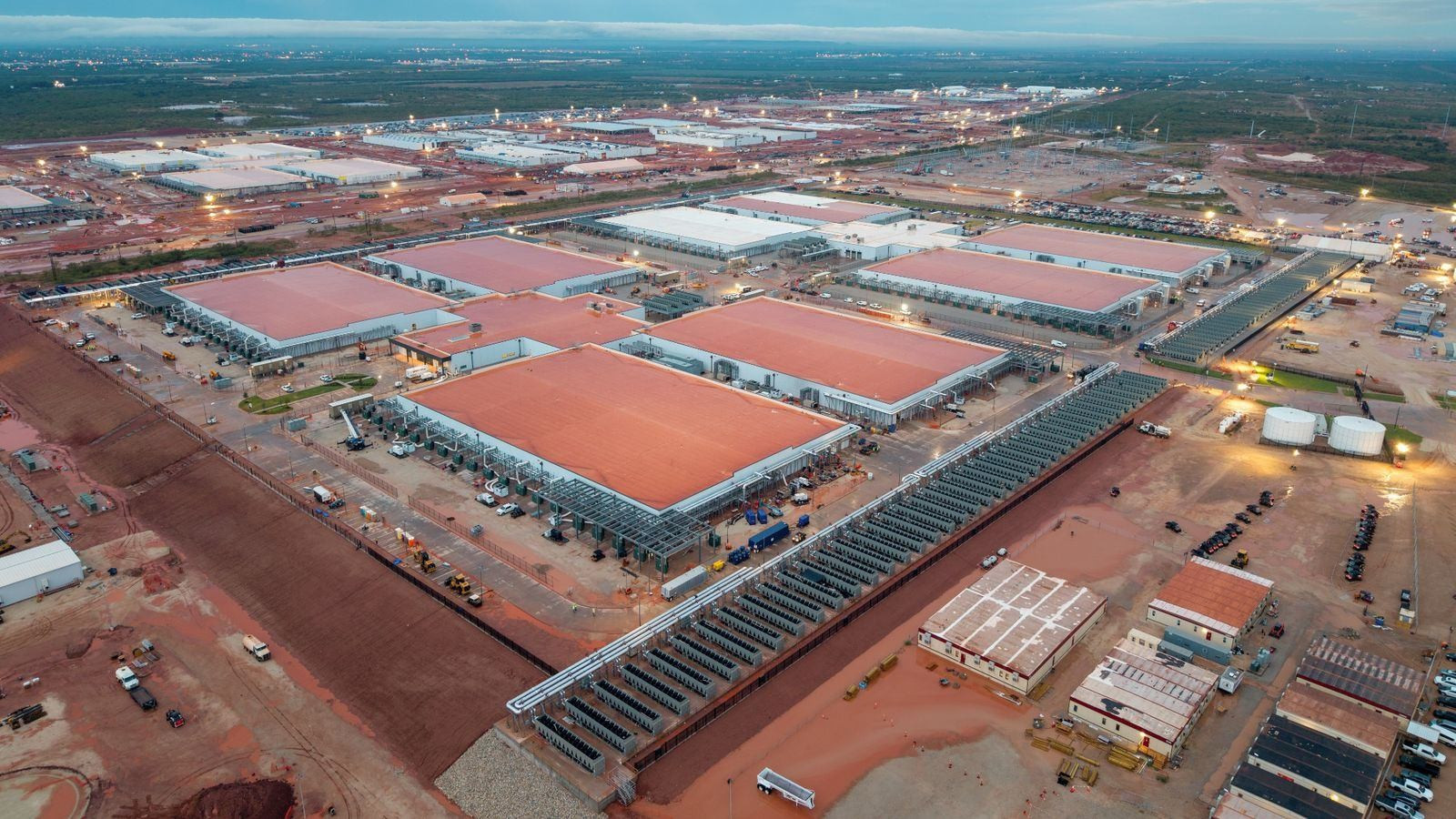
The United States is in the midst of a rapid expansion of artificial intelligence infrastructure, with an estimated 4,900 data centers either operational or planned nationwide, raising concerns about their growing presence in local communities. These facilities, which power everything from cloud computing to advanced AI systems, require enormous amounts of electricity and water, placing increasing strain on local utilities and infrastructure. While proponents argue that data centers bring jobs, tax revenue, and technological leadership, critics point to environmental impacts, rising energy costs, and limited long-term employment benefits once construction ends. Communities across the country are beginning to grapple with zoning decisions, land use conflicts, and the broader implications of hosting these massive, resource-intensive operations. As demand for AI capabilities accelerates, the tension between economic development and local quality of life is becoming more pronounced, signaling that the expansion of data centers is not just a technological issue but a deeply local and political one.
Sources
https://www.theepochtimes.com/article/with-4900-ai-data-centers-theres-likely-one-coming-to-your-neighborhood-6017019
https://www.reuters.com/technology/us-data-centers-power-demand-growth-ai-2025-01-15/
https://www.wsj.com/tech/ai/data-centers-electricity-demand-us-2025
https://www.bloomberg.com/news/articles/2025-02-10/ai-data-centers-water-energy-usage-impact
Key Takeaways
- The explosive growth of AI is driving an unprecedented surge in data center construction, with thousands of facilities planned or already operating across the U.S.
- These centers consume massive amounts of electricity and water, creating strain on local infrastructure and raising environmental and cost concerns for residents.
- While touted as economic drivers, data centers often provide limited long-term employment, prompting debate over whether communities are receiving sufficient benefit.
In-Depth
The rapid expansion of AI-driven data centers across the United States reflects a broader shift in the nation’s economic and technological priorities, but it also exposes a growing disconnect between national ambitions and local realities. On paper, the argument for building thousands of these facilities is straightforward: artificial intelligence is the backbone of future economic competitiveness, and the infrastructure supporting it must scale accordingly. But that high-level logic begins to look less convincing when viewed from the perspective of the communities being asked to host these massive installations.
Data centers are not light industrial projects. They are energy-intensive operations that can rival small cities in electricity consumption, often requiring dedicated power plants or significant upgrades to existing grids. In an era already marked by concerns about grid reliability and rising utility costs, the addition of large-scale AI facilities introduces new pressures that local residents ultimately absorb. Water usage is another flashpoint, particularly in regions where supply is already constrained. Cooling systems for these centers can demand millions of gallons annually, raising legitimate questions about sustainability and prioritization of resources.
Supporters often emphasize the economic upside, pointing to construction jobs, increased tax bases, and the prestige of participating in the AI economy. Yet the long-term employment footprint of data centers is relatively small compared to traditional manufacturing or industrial investments. Once built, many facilities operate with lean staffing models, meaning the promised economic transformation may not fully materialize for host communities.
At its core, this issue underscores a broader policy challenge: how to balance national technological advancement with local accountability. Without more transparent cost-benefit analysis and stronger local input, the push for AI infrastructure risks becoming another example of top-down decision-making that leaves everyday Americans carrying the burden while others reap the rewards.