

China’s modern surveillance apparatus has evolved from localized monitoring efforts into a vast, integrated national system designed to track, analyze, and influence citizen behavior at scale. What began in limited urban pilot zones has expanded into a comprehensive framework combining facial recognition, artificial intelligence, biometric data collection, and real-time data integration across public and private sectors. Authorities justify the system as necessary for maintaining order, preventing crime, and ensuring social stability, but critics argue it enables unprecedented government overreach and suppresses dissent. The network now reaches into transportation systems, financial transactions, online activity, and even neighborhood-level interactions, effectively creating a persistent, always-on monitoring environment. This convergence of technologies allows officials to identify individuals instantly, predict behavioral patterns, and enforce compliance through mechanisms like social credit scoring and digital tracking. The broader implication is a society where privacy is nearly nonexistent and the state holds dominant informational power, raising concerns about civil liberties, global influence, and the export of similar surveillance models to other governments.
Sources
https://www.theepochtimes.com/china/from-one-beijing-corner-to-nationwide-control-inside-chinas-surveillance-state-6026159
https://www.bbc.com/news/world-asia-china-43751276
https://www.nytimes.com/2019/05/22/world/asia/china-surveillance-xinjiang.html
https://www.reuters.com/world/china/chinas-surveillance-state-how-it-works-2023-03-15/
Key Takeaways
- China has built one of the most advanced and expansive surveillance systems in the world, integrating AI, facial recognition, and massive data aggregation into daily life.
- The system is designed not just for crime prevention but for behavioral control, allowing authorities to monitor and shape citizen actions in real time.
- The model raises serious concerns about civil liberties and is increasingly being studied or adopted by other governments, extending its global implications.
In-Depth
China’s surveillance system didn’t emerge overnight—it was constructed methodically, starting with localized pilot programs that proved the effectiveness of integrating technology with governance. Over time, these isolated systems were connected into a unified network, creating a nationwide web capable of monitoring hundreds of millions of people simultaneously. This incremental approach allowed authorities to refine both the technology and the policy mechanisms behind it, ensuring that by the time it reached scale, it operated with precision and efficiency.
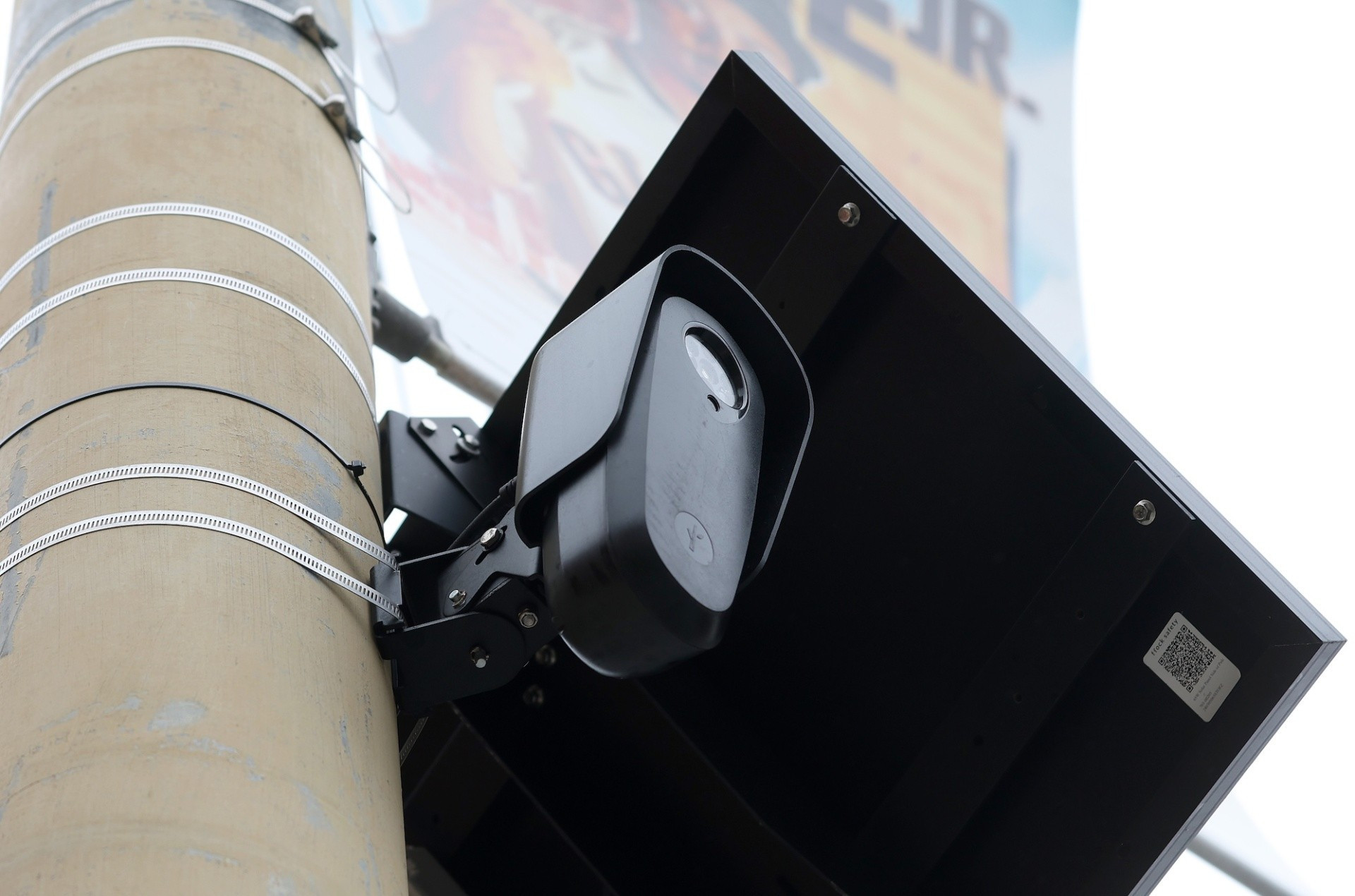
At the heart of this system is the fusion of artificial intelligence with vast pools of data. Cameras equipped with facial recognition software are now commonplace across cities, transportation hubs, and even residential areas. These devices feed continuous streams of information into centralized databases, where algorithms analyze movements, identify individuals, and flag behaviors deemed suspicious or non-compliant. The addition of biometric tracking, including gait recognition and voice identification, has further strengthened the system’s ability to monitor individuals even when traditional methods fall short.
What makes this apparatus particularly formidable is its integration across sectors. Surveillance is not confined to public security alone; it extends into financial systems, online platforms, and social services. Digital payment records, social media activity, and travel histories are all linked, providing authorities with a comprehensive picture of an individual’s life. This interconnectedness enables a level of oversight that goes far beyond traditional policing, allowing for predictive enforcement—intervening before actions occur rather than reacting afterward.
Supporters argue that this approach has contributed to lower crime rates and greater public order, framing it as a necessary trade-off in a densely populated and rapidly modernizing society. However, the cost of that stability is a near-total erosion of personal privacy. Individuals operate under constant observation, often with little understanding of how their data is being used or how decisions affecting them are made. Mechanisms like social credit systems amplify this dynamic, tying behavior to tangible consequences such as travel restrictions or access to services.
From a broader perspective, the implications extend well beyond China’s borders. The technology underpinning this surveillance model is increasingly being exported, along with the governance philosophy that accompanies it. For countries seeking tighter control or more efficient monitoring capabilities, the appeal is obvious. That raises a critical question: whether this model represents a new standard for governance in the digital age or a cautionary example of how technological power can be used to curtail fundamental freedoms.
The trajectory suggests that surveillance, once a tool of last resort, is becoming a default feature of modern governance in certain parts of the world. Whether that trend continues—and how it is challenged—will shape the balance between security and liberty for years to come.