

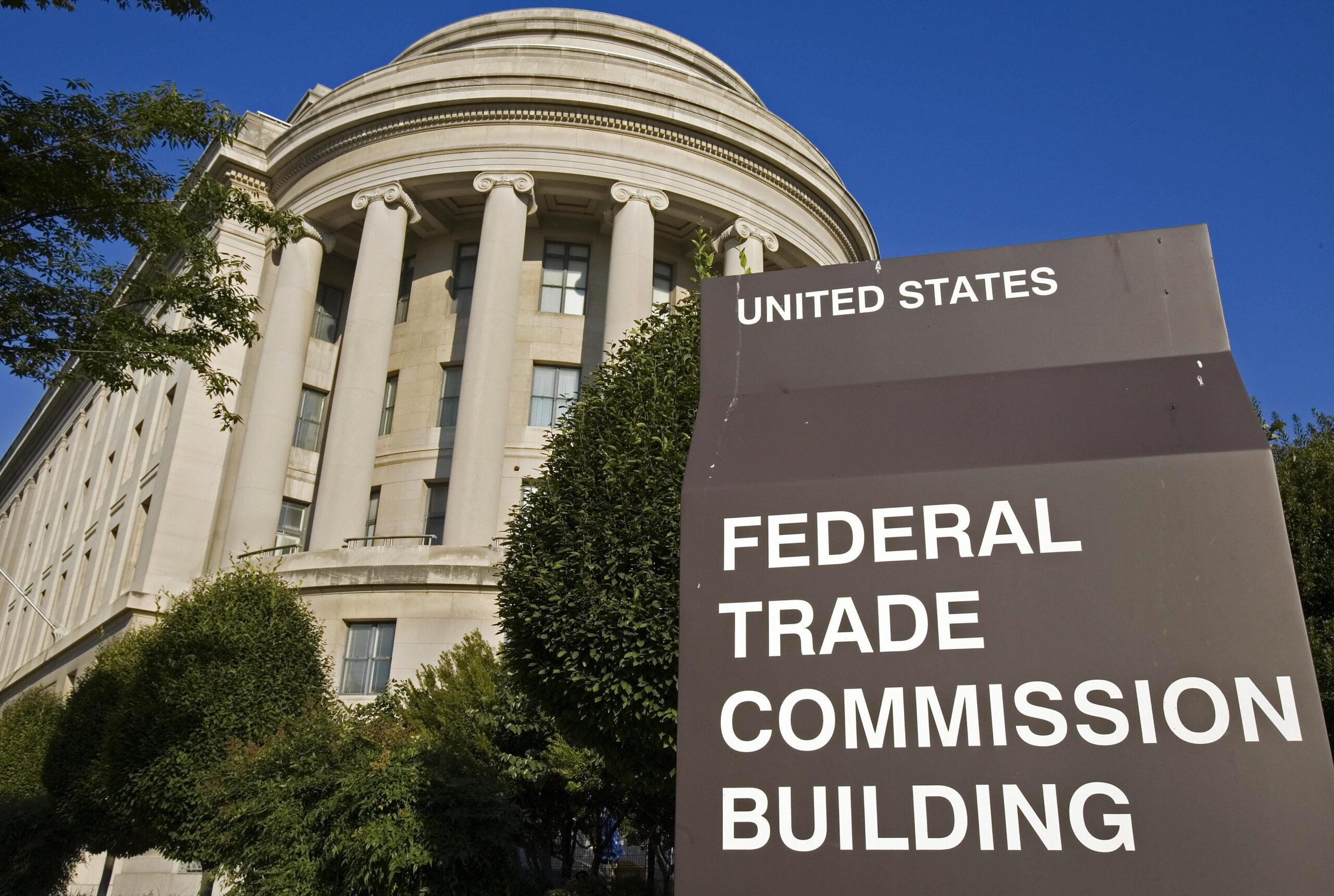
The Federal Trade Commission is signaling that the era of hands-off moderation for nonconsensual explicit content is over, warning online platforms that they must fully comply with the TAKE IT DOWN Act by May 19 or face potentially steep penalties. The law requires websites, social media companies, messaging services, gaming platforms, and image-sharing sites to establish clear reporting systems for victims of revenge porn and AI-generated deepfake pornography, then remove flagged material and known duplicate copies within 48 hours of a valid complaint. The measure, signed into law by President Donald Trump in 2025 after overwhelming bipartisan support, represents one of the most aggressive federal actions yet against exploitative online content and reflects growing public frustration with Silicon Valley’s long-standing reluctance to police harmful material unless pressured by government or public outrage. Critics continue to raise First Amendment and enforcement concerns, warning that vague takedown standards could be abused, but supporters argue that protecting victims—especially minors—from digitally weaponized humiliation and AI-driven exploitation outweighs the objections of tech industry activists who have spent years resisting accountability.
Sources
https://www.theepochtimes.com/us/online-platforms-must-comply-with-take-it-down-act-ftc-6025616
https://www.ftc.gov/business-guidance/resources/complying-take-it-down-act
https://cyberscoop.com/ftc-take-it-down-act-enforcement-deepfakes/
https://www.wiley.law/alert-May-19-Deadline-for-TAKE-IT-DOWN-Act-Compliance-Is-Your-Company-Prepared
https://www.fox5dc.com/news/ftc-chairman-companies-take-down-act
Key Takeaways
- The TAKE IT DOWN Act forces online platforms to remove nonconsensual intimate imagery and AI-generated deepfake pornography within 48 hours after receiving a valid complaint.
- The FTC is preparing aggressive enforcement measures against major technology companies that fail to comply, including potential civil penalties exceeding $53,000 per violation.
- The law highlights a broader political shift toward holding Big Tech legally accountable for harms tied to user-generated content, particularly where children and AI abuse are involved.
In-Depth
Washington’s relationship with Big Tech has changed dramatically over the last several years, and the TAKE IT DOWN Act may become one of the clearest examples yet of bipartisan impatience with Silicon Valley’s culture of selective responsibility. For years, technology companies insisted they were neutral platforms rather than publishers, happily profiting from user engagement while often refusing to intervene quickly when victims of online exploitation pleaded for help. That argument became increasingly difficult to sustain once artificial intelligence tools made the creation of fake explicit imagery fast, cheap, and devastatingly effective.
The new law effectively tells online platforms that excuses and delays are no longer acceptable. If a victim reports nonconsensual intimate imagery—whether authentic or AI-generated—the platform must act quickly or risk federal penalties. The FTC’s warning letters to major companies demonstrate that the Trump administration intends to enforce the law aggressively rather than merely treat it as symbolic legislation. That matters because federal tech regulation has often suffered from weak enforcement and endless bureaucratic hesitation.
Conservatives have long argued that Big Tech companies are fully capable of rapid moderation when their corporate interests or political preferences are involved, but suddenly become helpless when ordinary Americans are victimized online. The TAKE IT DOWN Act directly challenges that inconsistency. If platforms can instantly suppress copyrighted music clips or politically inconvenient content, supporters argue, they can certainly remove exploitative sexual material targeting minors and private citizens.
Still, legitimate concerns remain about how broadly the law could eventually be interpreted. Free speech advocates worry that vague standards and expedited takedown systems may invite abuse, false reporting, or politically motivated censorship campaigns. Those concerns are not imaginary, especially given past examples involving overreaching moderation systems. But the political momentum behind this law reflects a growing consensus that the technological ability to destroy reputations through AI-generated sexual imagery has outpaced the willingness of tech companies to police themselves responsibly.
The deeper issue may be that Americans increasingly no longer trust massive technology corporations to regulate their own behavior. The TAKE IT DOWN Act is not just about revenge porn or deepfakes. It is part of a much larger shift toward government forcing Silicon Valley to answer for the social consequences of the digital systems it built and monetized.