

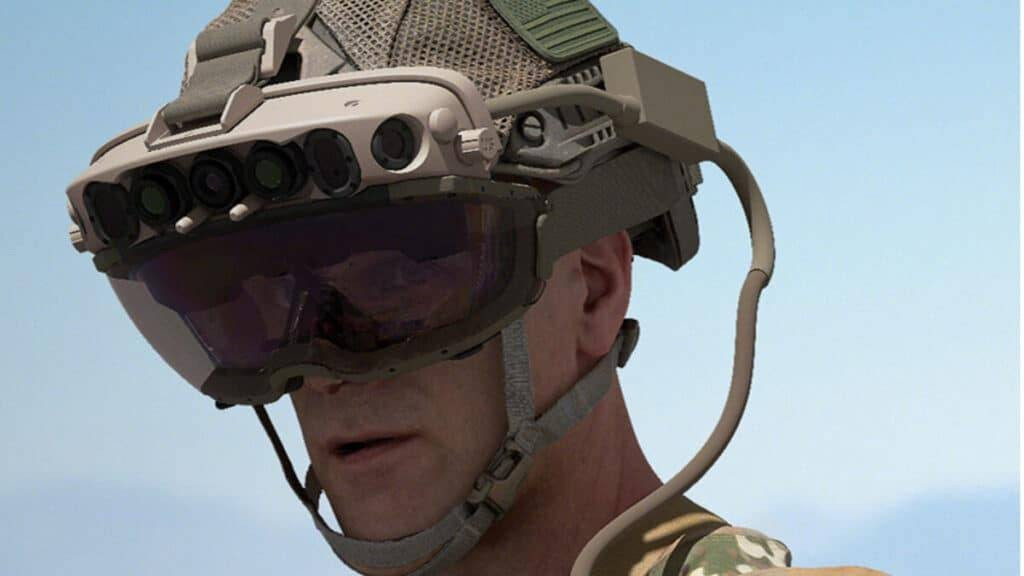
Anduril Industries has reportedly doubled its valuation amid a surge of investor interest in defense technology firms, reflecting a broader shift in capital toward companies building next-generation military systems. The company’s rapid rise underscores growing demand for autonomous weapons platforms, AI-driven surveillance systems, and advanced defense infrastructure, particularly as global geopolitical tensions intensify. Investors are increasingly viewing defense startups not as niche contractors but as critical players in national security, capable of delivering faster innovation than traditional defense giants. This valuation jump highlights a changing landscape where private capital is aggressively backing technologies once dominated by government-funded programs, signaling both opportunity and concern as the line between Silicon Valley innovation and military application continues to blur.
Sources
https://www.latimes.com/business/story/2026-05-14/anduril-doubles-valuation-amid-soaring-interest-in-defense-tech-companies
https://www.reuters.com/technology/defense-startups-investment-ai-military-2026-05-10/
https://www.wsj.com/tech/anduril-valuation-defense-tech-investing-2026
Key Takeaways
- Defense technology startups are attracting unprecedented levels of private investment as geopolitical instability drives demand for advanced military capabilities.
- Companies like Anduril are challenging traditional defense contractors by delivering faster, AI-driven innovation in surveillance, autonomy, and battlefield systems.
- The growing role of private capital in defense raises strategic and ethical questions about the pace and direction of military technological development.
In-Depth
The sharp rise in Anduril’s valuation reflects a broader recalibration in how investors view the defense sector. For decades, defense contracting was largely the domain of massive, slow-moving firms dependent on long procurement cycles and bureaucratic oversight. That model is now being disrupted by a new class of companies that operate with the speed, culture, and ambition of Silicon Valley startups. Anduril has positioned itself squarely in that lane, developing autonomous systems, border surveillance technologies, and AI-driven defense tools that appeal to governments seeking rapid deployment and adaptability.
This surge in investment is not happening in a vacuum. Heightened tensions across multiple regions have forced policymakers and defense planners to rethink preparedness, particularly in areas like unmanned systems and real-time intelligence. Investors are responding accordingly, treating defense innovation as both a strategic necessity and a financial opportunity. The influx of capital suggests a belief that future conflicts will be shaped less by traditional hardware and more by software, data, and automation.
At the same time, this shift raises legitimate concerns. When private firms, backed by venture capital, play a larger role in national defense, questions arise about accountability, oversight, and long-term strategic alignment. Rapid innovation can outpace regulation, and profit motives may not always align neatly with national interests. Still, from a pragmatic standpoint, the appeal is clear: governments want cutting-edge capabilities delivered faster and cheaper, and firms like Anduril are proving they can meet that demand.
Ultimately, the company’s rising valuation is less about a single firm and more about a transformation underway across the defense landscape—one where innovation, capital, and national security are becoming deeply intertwined.