

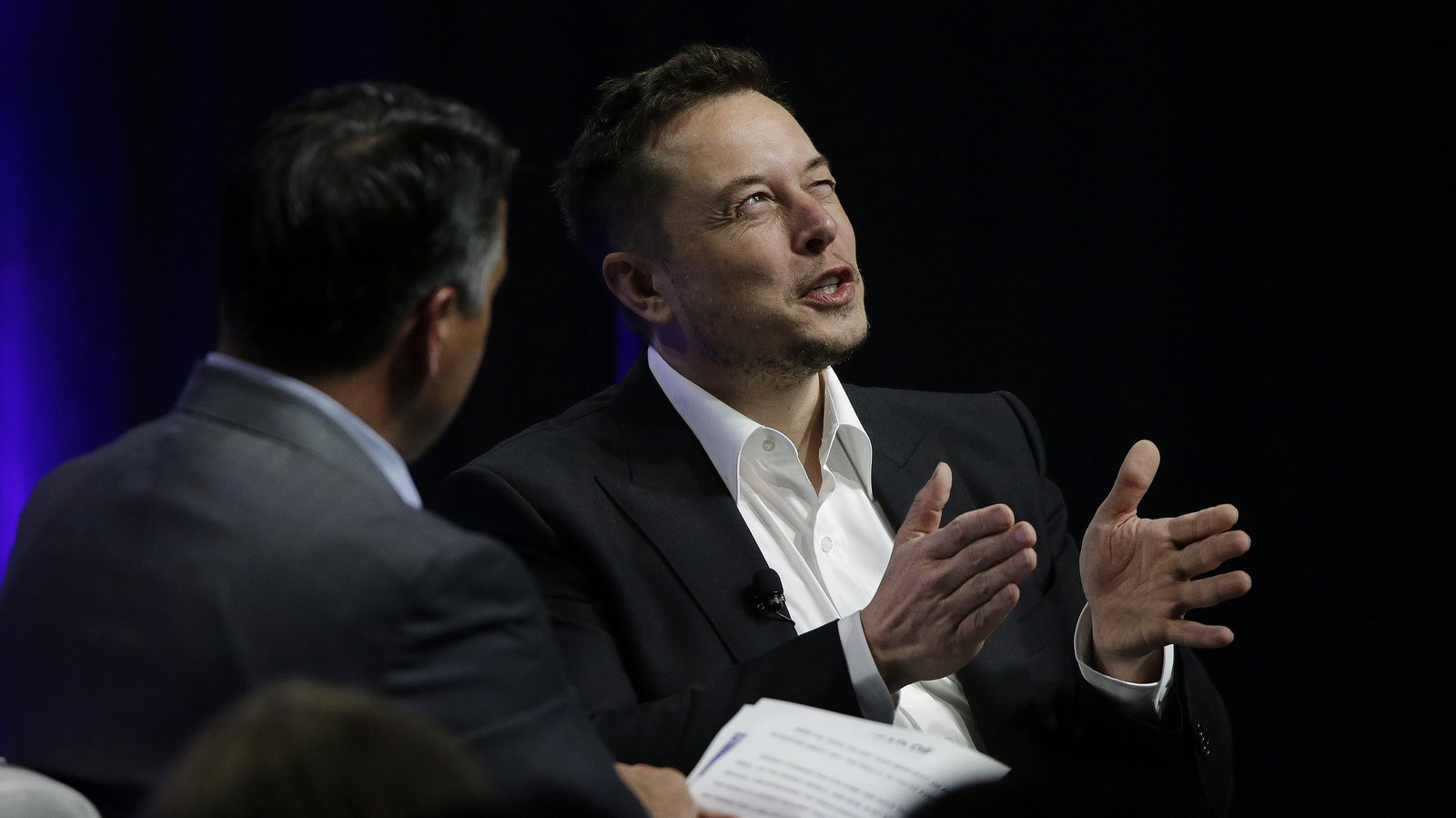
Elon Musk has quietly acquired Jacksonville-based APR Energy in a transaction valued at approximately $1 billion, signaling that access to reliable electricity has become one of the defining strategic assets in the artificial intelligence race. The acquisition, which surfaced through Federal Trade Commission filings rather than a public announcement, gives Musk control of one of the world’s largest fleets of rapidly deployable mobile natural gas turbine systems capable of producing more than one gigawatt of electricity. The purchase appears designed to address the enormous power demands of xAI’s expanding data centers, including the Colossus supercomputing facility, where obtaining sufficient grid power has become an increasingly significant challenge. The move underscores a growing reality: while policymakers continue debating AI regulation, private industry is investing aggressively in the infrastructure necessary to sustain America’s leadership in artificial intelligence, with electricity generation now emerging as a critical competitive advantage.
Sources
- https://www.theepochtimes.com/tech/musk-buys-florida-based-energy-company-6063091
- https://www.firstcoastnews.com/article/news/local/elon-musk-buys-jacksonville-company-apr-energy/77-66e33564-430a-44c5-8016-6ce101e04330
- https://electrek.co/2026/07/14/musk-buys-gas-turbine-company-apr-energy-grok/
Key Takeaways
- Elon Musk’s acquisition of APR Energy demonstrates that reliable power generation has become as strategically important to AI development as advanced semiconductor technology.
- The purchase reflects the growing inability of existing electrical grids to rapidly accommodate the enormous energy demands of next-generation AI data centers.
- Rather than waiting years for utilities and regulators to expand grid capacity, major technology companies are increasingly investing directly in energy infrastructure to ensure uninterrupted computing power.
In-Depth
Artificial intelligence has entered a new phase where computing power alone is no longer the limiting factor. Electricity is. Elon Musk’s acquisition of APR Energy illustrates that reality more clearly than perhaps any recent technology deal. Owning a fleet of rapidly deployable power-generation assets provides xAI with greater control over one of the most critical resources required to compete in the AI arms race.
For years, policymakers have emphasized regulating artificial intelligence while paying comparatively little attention to the infrastructure that makes it possible. Massive data centers consume extraordinary amounts of electricity, and utilities across the United States often require years to expand transmission capacity or approve new connections. That delay threatens America’s ability to maintain its technological edge against global competitors investing aggressively in both AI and energy infrastructure.
By purchasing an established power provider instead of waiting on bureaucratic processes, Musk is effectively treating electricity as a strategic asset. The acquisition gives him the flexibility to deploy generation capacity where it is needed most, reducing dependence on an increasingly strained electrical grid. While the use of natural gas turbines will undoubtedly draw criticism from environmental advocates, reliable power remains indispensable if the United States intends to lead the world in artificial intelligence rather than surrender that advantage to geopolitical rivals.
The broader lesson extends well beyond one acquisition. America’s AI future will depend not only on software engineers and chip manufacturers but also on whether the nation can rapidly expand dependable energy production. Without abundant electricity, even the most advanced AI systems become constrained by physical reality rather than technological ambition.