

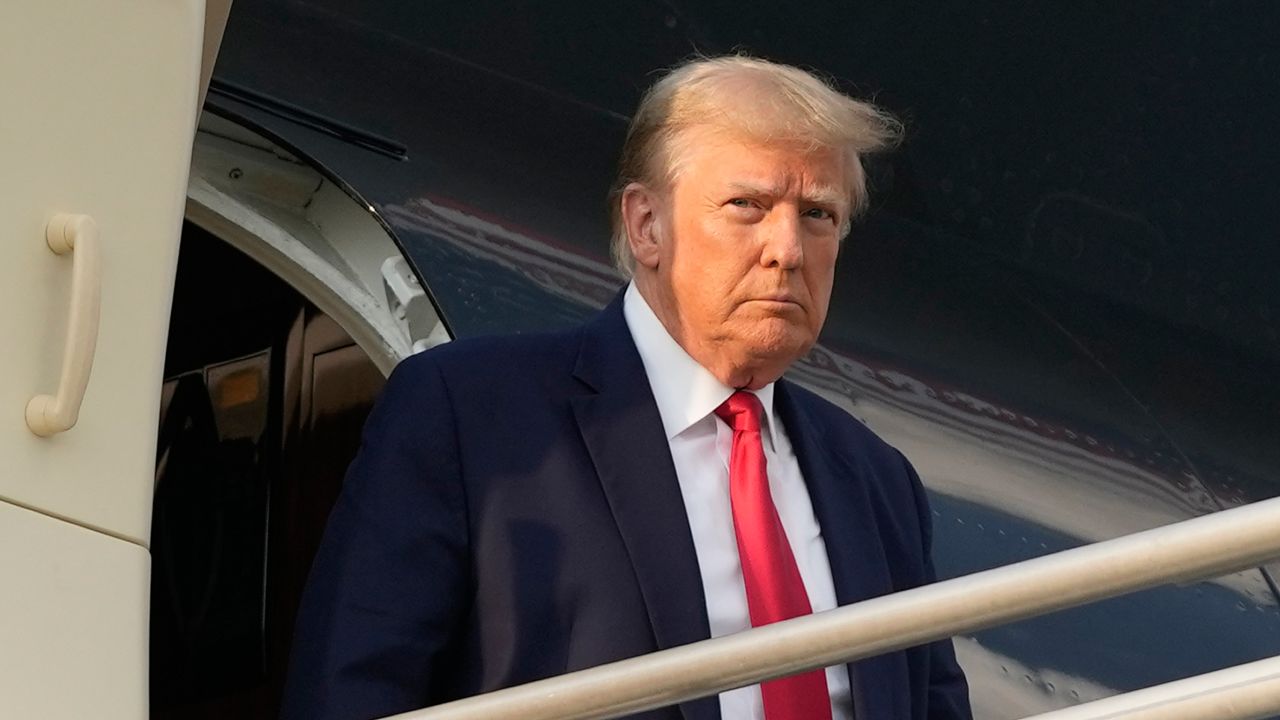
President Donald Trump sharply escalated his confrontation with the European Union after Brussels imposed another major antitrust fine against Google, declaring that the EU has unfairly targeted American technology companies for years while using regulatory penalties as a revenue source. Trump announced that the United States will immediately initiate a Section 301 trade investigation into the EU’s treatment of American firms and warned that the bloc would “pay a very big price,” including the prospect of substantial new tariffs if the practices continue. The move significantly raises the stakes in the ongoing dispute over European digital regulations and signals that the administration intends to treat what it views as discriminatory enforcement actions against U.S. companies as a broader trade issue rather than simply a competition policy disagreement.
Sources
- https://www.reuters.com/business/trump-says-us-launch-eu-probe-over-illegal-google-fine-2026-07-24
- https://apnews.com/article/2e125ac0d3c1ac7a96c9194a372ba47e
- https://www.cbsnews.com/news/trump-section-301-investigation-european-union-trade-google-meta-apple-amazon
Key Takeaways
- • President Trump announced an immediate Section 301 investigation into the European Union’s treatment of American technology companies following another major antitrust penalty against Google.
- • The administration warned that additional tariffs could be imposed if the investigation concludes that the EU has engaged in discriminatory or unfair trade practices toward U.S. firms.
- • The dispute expands an already tense transatlantic relationship by shifting Europe’s digital regulatory actions into the realm of broader U.S. trade policy.
In-Depth
For years, many American policymakers have argued that the European Union’s aggressive regulatory posture toward U.S. technology companies extends well beyond legitimate antitrust enforcement. With another massive financial penalty imposed against Google, President Trump has now made clear that his administration intends to answer those concerns with economic leverage rather than diplomatic complaints.
The administration’s decision to launch a Section 301 investigation marks a significant policy shift because it frames the issue as one of discriminatory trade practices instead of merely differing regulatory philosophies. Section 301 has historically been used when the United States determines that a foreign government has adopted unreasonable or discriminatory policies that burden American commerce. Should the investigation reach that conclusion, it provides legal authority for retaliatory measures, including tariffs and other trade restrictions.
Supporters of the administration contend that European regulators have repeatedly singled out America’s largest technology companies while benefiting financially from billions of dollars in fines. They argue that these firms have become attractive targets because of their enormous market capitalization, global reach, and American origins. From this perspective, repeated enforcement actions against Google, Apple, Meta, Amazon, and other U.S.-based companies function as a de facto tax on American innovation while simultaneously giving European competitors regulatory advantages.
Critics, however, maintain that the European Union is simply enforcing competition laws designed to prevent dominant firms from abusing their market position. European officials have consistently defended the Digital Markets Act and related regulations as necessary to protect consumers, encourage competition, and prevent market gatekeepers from disadvantaging rivals. That disagreement over the proper role of government regulation now appears poised to evolve into a broader trade confrontation.
From a conservative perspective, the administration’s response reflects a broader belief that American businesses should not be subjected to what many view as politically motivated foreign regulatory campaigns without consequences. Rather than accepting repeated multibillion-dollar penalties against leading U.S. employers and innovators, the White House is signaling that access to the American market carries reciprocal expectations. Whether the strategy ultimately persuades Brussels to reconsider its enforcement approach or instead triggers another round of transatlantic trade tensions will likely become one of the defining economic disputes between the United States and the European Union in the months ahead.