

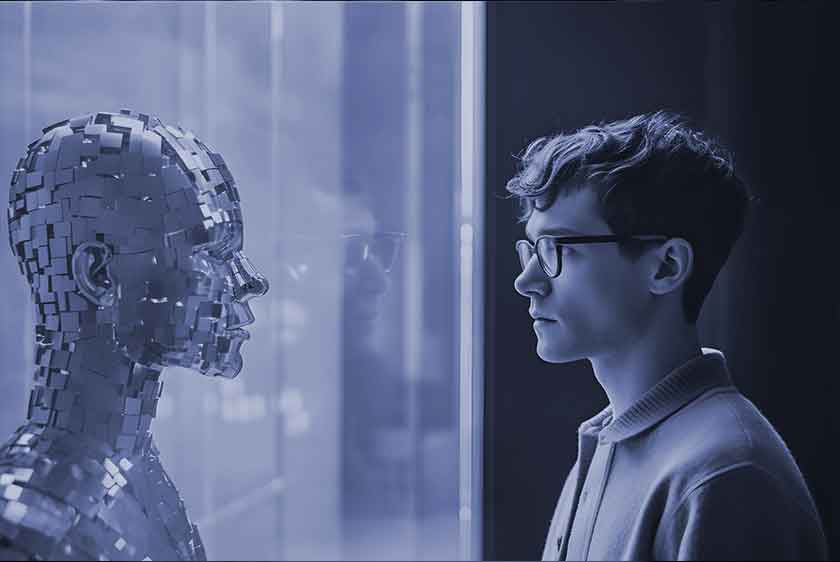
A growing segment of the digital economy is being shaped by AI-generated influencers, with some virtual personalities reportedly earning as much as $9,000 per month, highlighting a shift in how brands engage audiences and allocate marketing dollars. These AI-driven figures, often designed with curated personalities and consistent visual appeal, are proving attractive to companies seeking reliable, controversy-free spokesmodels who can operate around the clock. While human influencers still dominate in authenticity and relatability, the rise of AI avatars signals a disruptive force in social media marketing, raising questions about long-term viability, audience trust, and whether engineered “personality” can truly replicate human connection.
Sources
https://nypost.com/2026/05/16/tech/ai-influencer-salaries-revealed-with-one-making-9k-a-month-but-which-has-he-most-personality/
https://www.forbes.com/sites/forbesagencycouncil/2024/03/20/the-rise-of-ai-influencers-in-digital-marketing/
https://www.businessinsider.com/ai-influencers-virtual-creators-marketing-growth-explained-2024-2
Key Takeaways
- AI influencers are already generating meaningful monthly income, signaling a rapid shift in digital advertising strategies.
- Brands are drawn to AI personalities for their consistency, scalability, and lack of reputational risk compared to human influencers.
- Questions remain about authenticity, audience trust, and whether AI-generated personas can sustain long-term engagement.
In-Depth
The emergence of AI-generated influencers marks a significant evolution in the broader influencer economy, one that reflects both technological advancement and shifting business priorities. Unlike traditional creators who must navigate personal branding, public scrutiny, and the unpredictability of human behavior, AI influencers are engineered for precision. Every post, interaction, and visual element can be controlled, optimized, and aligned with brand messaging. That level of control is not just appealing—it’s increasingly valuable in an environment where a single misstep by a human influencer can derail an entire campaign.
From a business standpoint, the appeal is straightforward. AI influencers do not require rest, do not age, and do not bring personal controversies into brand partnerships. This creates a highly stable marketing asset that can be deployed across multiple campaigns simultaneously. The reported ability for some of these virtual personalities to earn thousands per month demonstrates that advertisers are already willing to invest real money into this model. In a cost-conscious economy, the scalability and predictability of AI talent offer a compelling alternative to traditional influencer deals that can be both expensive and volatile.
However, the rise of AI influencers is not without its challenges. Authenticity remains the cornerstone of social media engagement, and audiences are increasingly savvy about distinguishing between genuine human experiences and manufactured content. While AI personalities can simulate relatability, they lack lived experience, which may limit their ability to build deep, lasting connections with followers. This tension between efficiency and authenticity will likely define the next phase of the influencer landscape.
Ultimately, the trajectory suggests coexistence rather than replacement. Human influencers bring emotional resonance and credibility, while AI influencers offer precision and control. The brands that succeed will likely be those that understand how to balance both—leveraging the strengths of each without overcommitting to a model that, while promising, is still proving its staying power.