

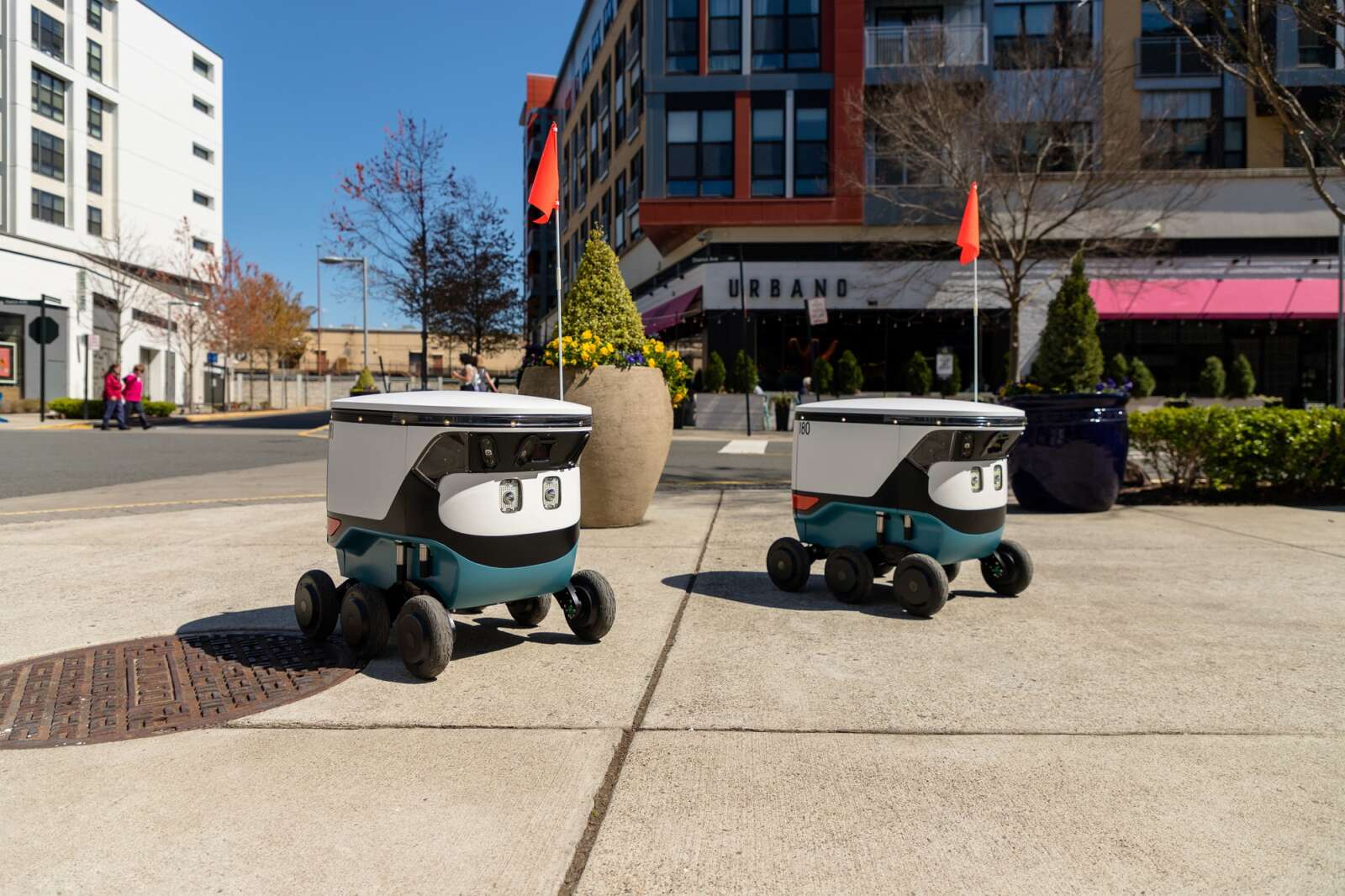
Chicago’s expanding use of autonomous food delivery robots has ignited a growing public debate, with supporters arguing the technology offers efficiency and environmental benefits, while critics warn it threatens pedestrian safety, accessibility, and traditional delivery jobs. The pilot program—now operating across multiple neighborhoods—has drawn backlash from residents and advocacy groups, especially following high-profile incidents in which robots crashed into bus shelters and obstructed sidewalks. While companies behind the machines insist the technology is improving and incidents are rare, concerns over regulation, liability, and the broader societal impact of automation continue to intensify, raising serious questions about whether cities are moving too quickly to embrace convenience at the expense of public order and worker stability.
Sources
https://chicago.suntimes.com/technology/2026/03/20/chicago-food-delivery-robots-controversy
https://chicago.suntimes.com/business/2026/delivery-robots-chicago-food-coco-robotics
https://abc7chicago.com/post/video-shows-serve-robotics-delivery-robot-crash-cta-bus-shelter-racine-outside-centre-construction-group-west-town/18763333/
Key Takeaways
- Autonomous delivery robots are expanding rapidly in Chicago, but public opposition is growing due to safety risks and accessibility concerns.
- Incidents involving robots damaging public infrastructure and obstructing sidewalks have intensified scrutiny of the pilot program.
- The broader debate reflects deeper tensions between technological innovation and its impact on jobs, urban infrastructure, and public safety.
In-Depth
Chicago’s experiment with autonomous food delivery robots is shaping up to be a case study in what happens when innovation outruns common sense governance. What began as a limited pilot program has quickly expanded into a visible—and increasingly controversial—presence on city sidewalks. These small, wheeled machines promise faster, cheaper, and more environmentally friendly delivery, but the reality on the ground tells a more complicated story.
Supporters of the technology point to its potential efficiencies. The robots, operated by companies using advanced sensors and remote monitoring, can complete deliveries without the labor costs associated with human drivers. Restaurants benefit from lower fees, and customers get their food with fewer delays. In theory, it’s a streamlined system that reflects the next step in urban logistics.
But that theory runs into friction when it meets real-world conditions. Residents have reported robots blocking sidewalks, forcing pedestrians—particularly those with disabilities—into the street. Others have raised concerns about the machines navigating crowded areas where human judgment is still superior. The issue isn’t just inconvenience; it’s about whether public infrastructure is being quietly repurposed for private commercial use without adequate oversight.
Recent crashes have only heightened those concerns. Multiple incidents involving robots smashing into bus shelters have gone viral, raising questions about reliability and accountability. While companies have pledged to cover damages and investigate failures, critics argue that reactive measures fall short of the proactive safeguards needed when deploying autonomous systems in dense urban environments.
Underlying all of this is a broader economic tension. Delivery work has long provided income for thousands of gig workers, and the expansion of robotic alternatives threatens to displace those jobs. Proponents frame this as inevitable progress, but opponents see it as another example of technology advancing without regard for the people it affects.
At its core, the debate isn’t just about robots. It’s about who controls the future of the city—residents and workers, or the companies pushing automation into public spaces.