

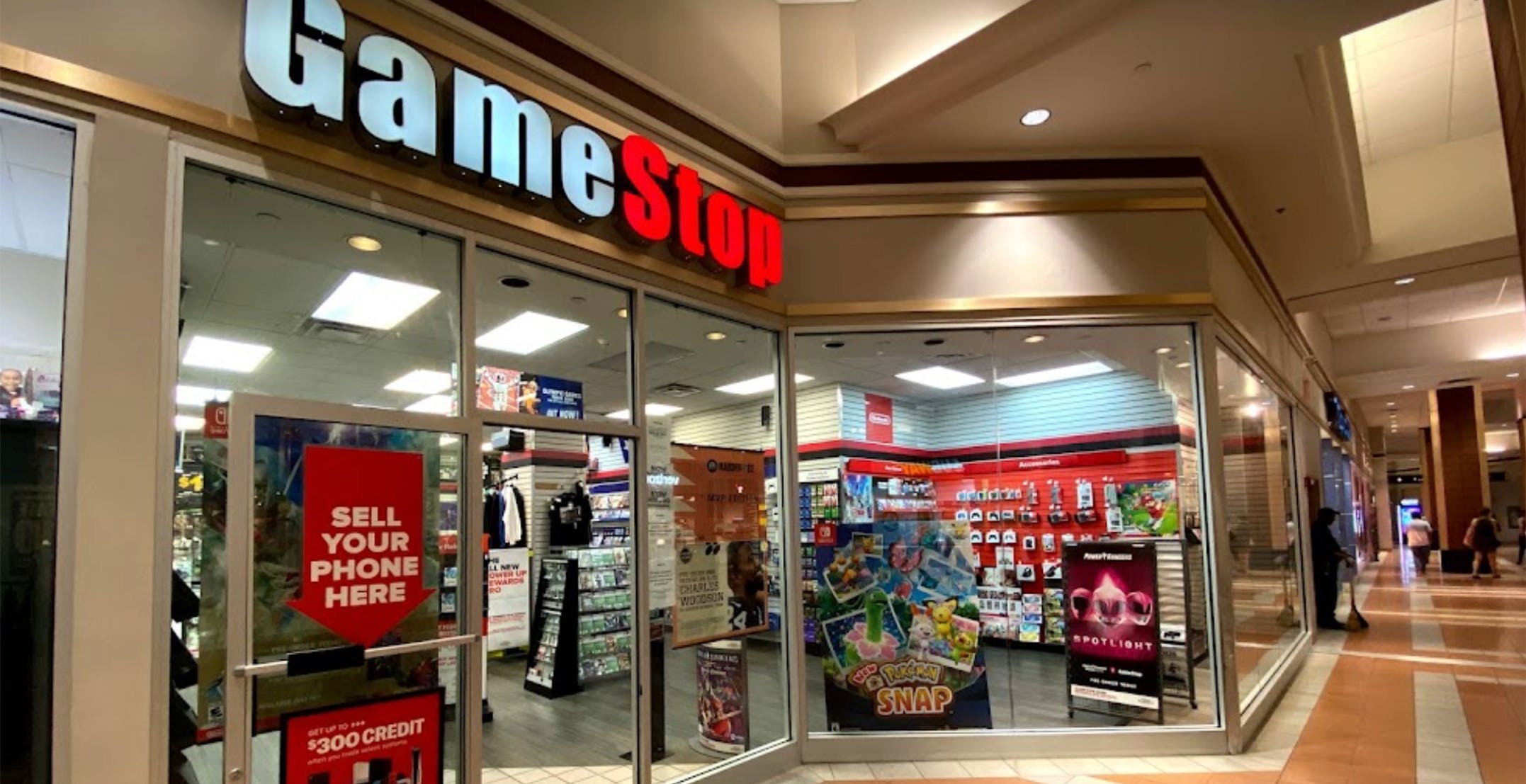
A report indicates that GameStop is exploring a potential acquisition of eBay as part of an aggressive strategy to reinvigorate its long-stagnant market position, signaling a dramatic pivot from its struggling brick-and-mortar retail roots toward a broader e-commerce footprint; while no formal offer has been confirmed, the mere prospect underscores mounting pressure on legacy retail brands to pursue bold, high-risk consolidation plays in an increasingly competitive digital marketplace dominated by a handful of entrenched giants.
Sources
https://nypost.com/2026/05/01/business/gamestop-preparing-an-offer-to-buy-ebay-in-effort-to-boost-market-value-report/
https://www.reuters.com/markets/deals/gamestop-explores-strategic-options-ecommerce-shift-2026-05-02/
https://www.cnbc.com/2026/05/02/gamestop-reportedly-considers-ebay-bid-amid-transformation-efforts.html
Key Takeaways
- GameStop is reportedly considering a transformative acquisition of eBay to reposition itself in the digital economy and boost shareholder value.
- The move reflects broader pressures on legacy retailers to consolidate or evolve in order to compete with dominant online marketplaces.
- Even speculation of such a deal highlights the volatility and uncertainty surrounding GameStop’s long-term strategy and leadership direction.
In-Depth
The reported interest by GameStop in acquiring eBay represents a striking example of how far the once-dominant video game retailer is willing to go to remain relevant in a rapidly shifting commercial landscape. After years of declining foot traffic, inconsistent leadership, and a highly publicized but uneven attempt to reinvent itself through meme-stock enthusiasm and digital ventures, GameStop appears to be searching for a decisive move that could fundamentally alter its trajectory. Targeting an established e-commerce platform like eBay signals a recognition that survival may depend on scale, infrastructure, and an already embedded user base rather than incremental internal improvements.
At the same time, the potential deal raises serious questions about feasibility and strategic coherence. eBay, while no longer the dominant force it once was, still represents a massive global marketplace with complex operations. Integrating such a platform into GameStop’s business model would require not only significant capital but also operational expertise that GameStop has not consistently demonstrated in recent years. Critics would argue that this kind of leap could expose shareholders to unnecessary risk, especially if driven more by desperation than disciplined planning.
Still, the broader context cannot be ignored. Traditional retailers across multiple sectors are facing relentless competition from digital-first companies that benefit from logistics efficiency, data analytics, and global reach. In that environment, bold moves—however controversial—are increasingly becoming the norm rather than the exception. Whether this reported effort materializes or not, it underscores a clear reality: companies that fail to adapt decisively risk fading into irrelevance, and those that act boldly must be prepared to accept the consequences if their gambles do not pay off.