

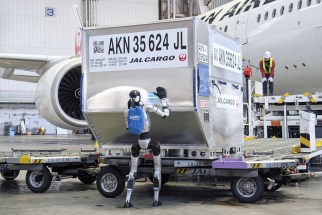
Japan is taking another step toward a more automated future, with a major airline preparing to deploy humanoid robots as baggage handlers at Tokyo’s Haneda Airport in a multi-year trial aimed squarely at solving labor shortages and easing the burden on human workers. Beginning in May 2026, these human-shaped machines—developed by a Chinese robotics firm and working alongside airport staff—will move luggage and cargo on the tarmac while also being evaluated for expanded roles such as aircraft cleaning and ground support operations. The initiative comes as Japan grapples with a shrinking workforce and surging tourism, forcing industries to adopt practical, efficiency-driven solutions rather than rely solely on human labor. While the robots are capable of performing physically demanding tasks, human oversight will remain essential, particularly for safety-critical operations, underscoring that automation is being positioned as a supplement—not a full replacement—for human workers.
Sources
https://nypost.com/2026/04/29/tech/humanoid-robots-to-become-baggage-handlers-at-japan-airport/
https://www.theguardian.com/world/2026/apr/28/humanoid-robots-baggage-handlers-japan-airports
https://people.com/humanoid-robots-to-be-trialled-as-baggage-handlers-at-airport-in-japan-11960192
Key Takeaways
- Japan is turning to humanoid robotics as a practical response to labor shortages and rising demand in its aviation sector.
- The robots are designed to handle physically taxing tasks while leaving safety-sensitive responsibilities to human workers.
- This trial signals a broader global shift toward integrating automation into essential infrastructure without fully replacing human labor.
In-Depth
What’s unfolding at Tokyo’s Haneda Airport isn’t science fiction—it’s a calculated response to real-world pressure. Japan faces a demographic squeeze: an aging population, fewer working-age citizens, and a tourism boom that’s pushing infrastructure to its limits. In that environment, the introduction of humanoid robots into baggage handling isn’t a gimmick; it’s a necessity-driven decision.
These robots are intentionally designed in human form, which is more than aesthetic. The human-like structure allows them to operate within existing airport systems without requiring costly redesigns of equipment or facilities. That matters because efficiency gains don’t mean much if they come with massive upfront infrastructure costs. The goal here is integration, not disruption.
At the same time, the rollout reflects a clear boundary. The machines will assist—not replace—human workers. Tasks involving safety, judgment, and oversight remain firmly in human hands. That division is critical, both from a practical standpoint and a political one. Full automation might promise efficiency, but it also raises serious concerns about reliability, accountability, and workforce displacement.
There’s also a broader economic undertone. Rather than relying heavily on foreign labor to fill workforce gaps, Japan is leaning into automation as a sovereign solution. It’s a strategy that prioritizes technological investment over demographic dependence, and one that other developed nations facing similar labor shortages are likely watching closely.
If the trial succeeds, expect expansion—not just within Japan, but globally. Airports are high-pressure, logistics-heavy environments where even marginal efficiency gains can translate into significant economic impact. What starts on the tarmac in Tokyo could quickly become standard practice worldwide.