

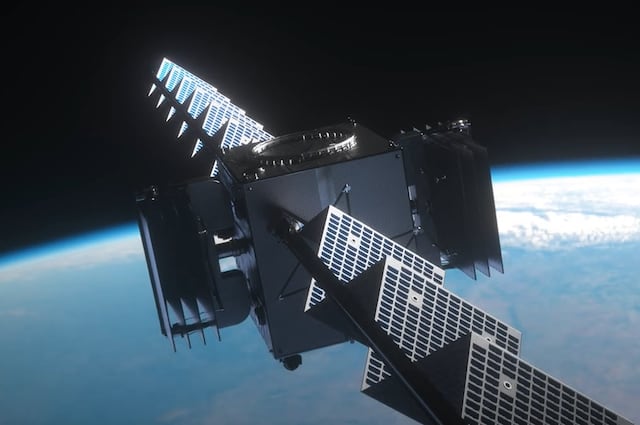
A Georgia-based startup is pushing forward with plans to build data centers in space, arguing that the escalating energy demands and environmental footprint of terrestrial facilities make orbital infrastructure not only viable but increasingly necessary, with private investment and technological advancements bringing what once sounded like science fiction into the realm of near-term commercial deployment.
Sources
https://www.ajc.com/business/2026/04/data-centers-in-space-this-georgia-startup-says-its-not-science-fiction/
https://www.cnbc.com/2024/03/18/space-based-data-centers-energy-demand-ai.html
https://www.reuters.com/technology/space-companies-eye-orbital-data-centers-ai-boom-2025-02-11/
Key Takeaways
- The rapid growth of AI and cloud computing is driving energy demand beyond what current land-based infrastructure can sustainably support.
- Private-sector innovation is accelerating space-based solutions, with startups and investors betting on orbital data centers as a long-term fix.
- Regulatory, cost, and technical hurdles remain significant, but momentum suggests the concept is transitioning from speculative to strategic.
In-Depth
The idea of placing data centers in orbit is gaining traction at a time when the appetite for computing power—driven largely by artificial intelligence and cloud expansion—has outpaced traditional infrastructure’s ability to scale efficiently. The Georgia startup at the center of this effort is capitalizing on a simple but compelling argument: space offers virtually unlimited solar energy, natural cooling, and freedom from the regulatory and environmental constraints that increasingly burden terrestrial facilities.
While skeptics point to the immense costs and engineering challenges, recent advances in reusable launch systems and satellite miniaturization have begun to change the economic equation. Private capital is no longer dismissing the concept outright, and that shift matters. Investors are recognizing that energy constraints, not computing demand, may ultimately define the next decade of technological growth. If that’s the case, solutions that bypass Earth-based limitations start to look less like a gamble and more like a necessity.
There are still substantial barriers. Launch costs, orbital debris risks, latency concerns, and international regulatory frameworks all present real complications. Yet the trajectory is familiar: innovations that once seemed impractical—commercial spaceflight, satellite internet—have moved quickly once market demand aligned with technological capability.
What’s unfolding here is not just a niche experiment but an early signal of how infrastructure may evolve under pressure. If energy and land constraints continue tightening, orbital data centers could shift from novelty to inevitability faster than many expect.