

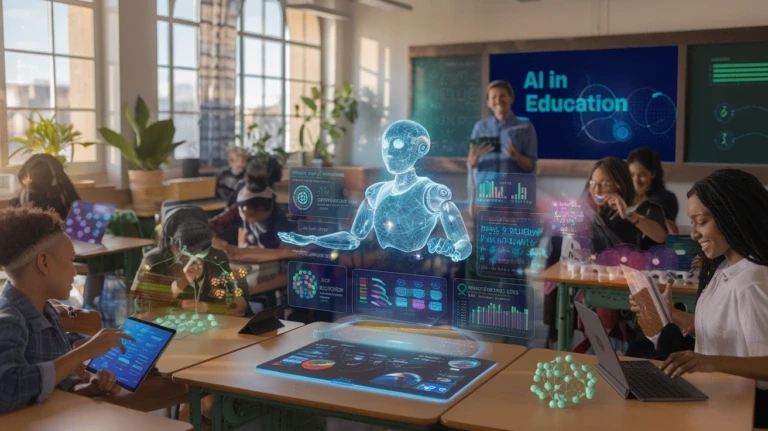
A widening coalition of parents across the United States is pushing back against what they see as an overreach of digital technology in classrooms, arguing that excessive screen time, unvetted apps, and premature exposure to artificial intelligence are undermining learning, privacy, and childhood development; this movement—gaining traction in major districts like Los Angeles—has already forced policy changes, including limits on device usage and renewed emphasis on traditional teaching methods, as families report concerns ranging from classroom distractions and inappropriate content exposure to declining attention spans and academic performance, while educators and policymakers now face increasing pressure to justify technology use rather than assume its benefits.
Sources
https://districtadministration.com/in-backlash-against-tech-in-schools-parents-are-winning-rollbacks/
https://www.theguardian.com/us-news/2026/apr/22/los-angeles-school-district-screen-time
https://theweek.com/education/tech-backlash-american-education-schools
Key Takeaways
- Parents are increasingly organizing to challenge widespread classroom technology use, citing concerns about excessive screen time, inappropriate content, and diminished academic focus.
- School districts are beginning to respond with tangible policy changes, including device restrictions, tech-free instructional periods, and tighter oversight of digital tools.
- Despite the backlash, educational technology remains deeply embedded in school systems, creating tension between reform efforts and institutional dependence on digital platforms.
In-Depth
What’s unfolding in American education right now is less a minor policy disagreement and more a fundamental course correction. For years, schools rushed headlong into digital adoption, often treating laptops, tablets, and now artificial intelligence as silver bullets for educational challenges. That assumption is now being tested—and, in many cases, rejected—by the very people expected to trust the system: parents.
The backlash is not theoretical. Families have shown up at school board meetings in force, raising concerns that their children are spending too much time on screens and not enough time actually learning. Reports of students accessing games or social media during class, along with disturbing instances of inappropriate AI-generated content, have only fueled skepticism. The underlying complaint is simple but powerful: technology has been introduced faster than it has been understood or controlled.
Districts are starting to feel the pressure. In Los Angeles, officials have moved to impose limits on screen time and restrict access to certain platforms, signaling a broader willingness to reconsider the digital-first approach that dominated the post-pandemic era. Similar efforts are emerging nationwide, with some schools experimenting with device-free days or scaling back one-to-one laptop programs in favor of more deliberate, structured use.
At the same time, there is a deeper policy tension that cannot be ignored. Technology is now woven into the fabric of education—from standardized testing to curriculum delivery—making it difficult to simply “turn it off.” Surveys show that while a majority of parents believe there is too much technology in schools, most districts have not significantly reduced their reliance on it. That disconnect is where the real battle lies.
What makes this moment especially notable is the unusual coalition forming around the issue. Parents, educators, and even some policymakers across ideological lines are finding common ground in questioning whether more technology actually equals better education. It’s a rare instance where cultural divisions take a back seat to shared concerns about children’s well-being and academic outcomes.
The broader implication is clear: the era of unquestioned tech expansion in schools is over. What replaces it remains uncertain, but one thing is not—parents are no longer willing to sit quietly while classrooms become testing grounds for the latest digital experiment.