

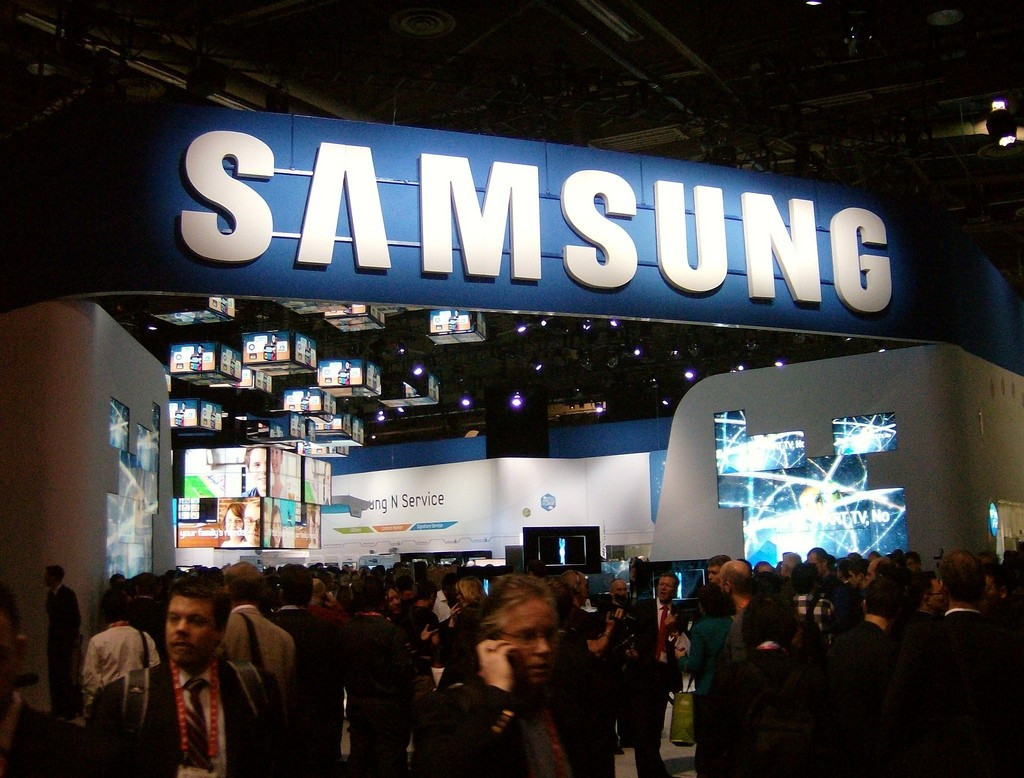
Samsung is moving to discontinue its in-house Samsung Messages texting application for U.S. users by July 2026, directing customers to transition to Google Messages as the default platform, a move that reflects a broader consolidation within the Android ecosystem and raises questions about consumer choice, platform control, and the growing dominance of Google’s communication infrastructure; the decision follows years of gradual shifts, including removing Samsung Messages from newer devices and emphasizing RCS-based messaging features, with the company citing consistency, enhanced functionality, and security improvements as justification, though critics note the change further centralizes control under a single provider and effectively eliminates a longstanding alternative for millions of users.
Sources
https://apnews.com/article/823b3eb598611b127e66008ee4390da6
https://www.tribtoday.com/news/business/2026/04/samsung-is-discontinuing-its-texting-app/
https://www.samsung.com/us/apps/samsung-messages/
Key Takeaways
- Samsung will discontinue its Messages app in the U.S. by July 2026, requiring users to adopt alternative messaging platforms.
- Google Messages is being positioned as the default replacement, signaling deeper alignment between Samsung and Google’s Android ecosystem.
- The shift reflects a broader industry move toward RCS messaging and centralized platforms, but raises concerns about reduced consumer choice and increased platform dependency.
In-Depth
Samsung’s decision to sunset its proprietary messaging application is not a sudden move, but rather the culmination of a multi-year shift toward tighter integration with Google’s Android ecosystem. For years, Samsung maintained its own messaging platform as a differentiator within the crowded smartphone market. However, the company has steadily backed away from that strategy, first by making Google Messages the default on newer devices and ultimately by ending development altogether.
At its core, the rationale being offered is standardization. Google Messages supports Rich Communication Services (RCS), a more advanced messaging protocol that enhances traditional SMS with features like high-quality media sharing, typing indicators, and improved group chat functionality. Samsung argues that consolidating around a single messaging standard ensures a more seamless experience across Android devices and even between Android and Apple platforms, particularly as Apple begins adopting RCS standards.
But there’s a broader dynamic at play that goes beyond user convenience. By abandoning its own platform, Samsung is effectively conceding control of a critical user-facing function to Google. Messaging is not just a utility; it’s a gateway to user data, engagement, and ecosystem lock-in. When one company becomes the default provider across a platform as vast as Android, it naturally raises concerns about competition and user autonomy.
From a practical standpoint, most users may not notice an immediate disruption. Samsung has indicated that the transition will be supported with in-app prompts and guidance, and traditional SMS/MMS functionality will continue during the switch. Still, once the cutoff arrives, Samsung Messages will no longer function for standard communication, effectively forcing adoption of alternatives.
For consumers who value simplicity and integrated features, the shift may seem logical. For those who are wary of increasing consolidation in the tech sector, it represents another step toward a more controlled and less diversified digital environment.