

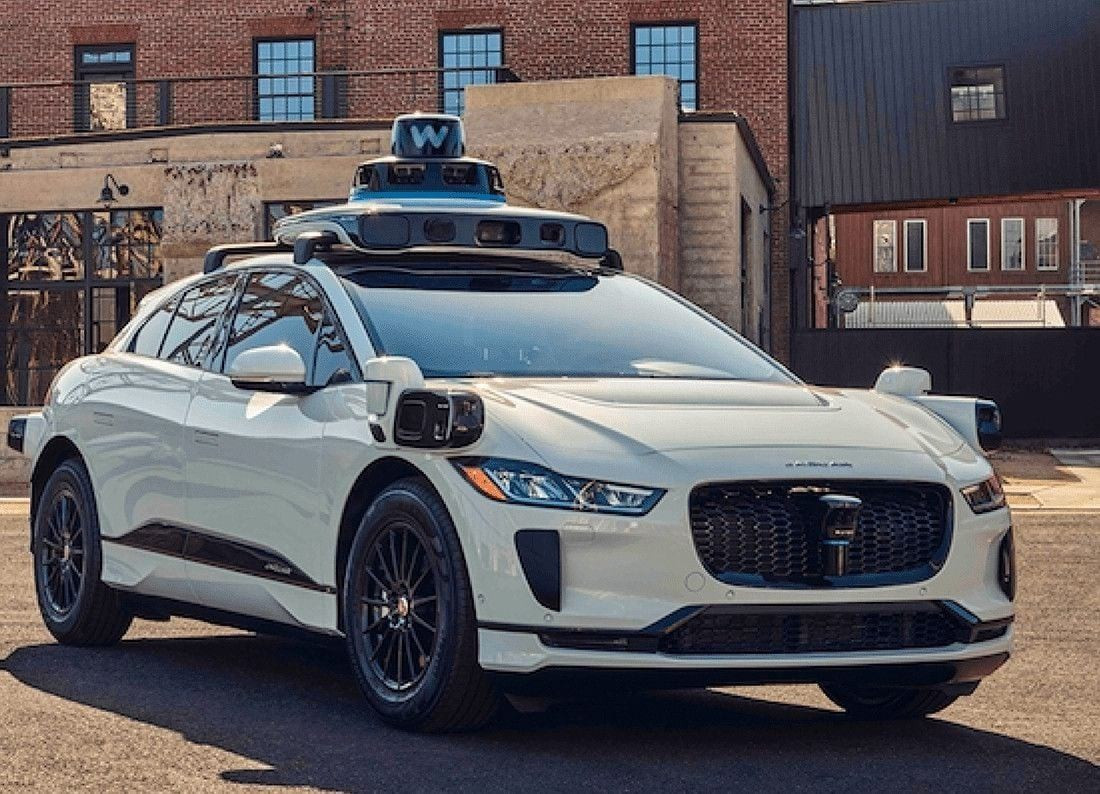
A growing backlash is emerging in San Francisco after videos surfaced showing Waymo robotaxis stopping and parking in protected bike lanes, forcing cyclists and scooter riders into vehicle traffic. The latest incident near Oracle Park reignited concerns that autonomous vehicles are not consistently complying with traffic laws despite being marketed as safer and more predictable than human drivers. Waymo acknowledged the issue and said it is reviewing pickup and drop-off performance in the affected area, while transportation advocates argue that autonomous vehicles should be held to at least the same legal standards as human drivers. The controversy comes as California prepares to implement new enforcement mechanisms that will allow autonomous vehicles to receive citations for traffic violations beginning in July 2026. Critics contend that the issue reflects a broader challenge facing cities as self-driving technology expands faster than the infrastructure and regulatory framework needed to manage it.
Sources
- https://www.sfchronicle.com/sf/article/waymos-parking-bike-lanes-22301211.php
- https://www.sfchronicle.com/totalsf/article/parking-bike-lanes-data-21322578.php
- https://www.reddit.com/r/sanfrancisco/comments/1tl034i/waymo_in_the_bike_lane_again/
- https://www.sfchronicle.com/driverless-cars
Key Takeaways
- Autonomous vehicles are increasingly facing scrutiny for blocking bike lanes and creating hazards for cyclists, raising questions about whether robotaxis are being held to the same standards as human drivers.
- San Francisco’s previous enforcement efforts against bike-lane obstructions produced thousands of citations but later declined significantly, leading critics to argue that lax enforcement encourages continued violations.
- New California enforcement authority scheduled to take effect in July 2026 could provide cities with stronger tools to penalize autonomous vehicles that violate traffic laws, potentially increasing accountability for robotaxi operators.
In-Depth
The controversy surrounding Waymo’s robotaxis parking in San Francisco bike lanes highlights a fundamental question about autonomous transportation: should self-driving vehicles merely replicate human behavior, or should they be expected to perform better than humans? Recent footage showing a Waymo vehicle obstructing a protected bike lane near Oracle Park intensified concerns among cyclists who argue that a machine equipped with advanced sensors, cameras, and artificial intelligence should not be committing routine traffic violations.
From a conservative perspective, technological innovation is generally welcome when it improves efficiency, safety, and economic productivity. However, innovation does not excuse a failure to follow established rules. If ordinary drivers can be ticketed for blocking bike lanes, autonomous vehicle operators should face the same consequences. Equal application of the law remains essential regardless of whether the vehicle is controlled by a human being or an algorithm.
The larger issue may be less about Waymo specifically and more about government enforcement. San Francisco previously demonstrated that targeted enforcement could dramatically increase citations for bike-lane violations, but those efforts later faded. Predictably, behavior did not improve. When regulations exist but are inconsistently enforced, compliance often declines.
As autonomous vehicles become a permanent feature of urban transportation, policymakers will need to ensure that accountability keeps pace with innovation. Self-driving technology promises tremendous benefits, but public acceptance depends on confidence that these vehicles obey the rules of the road. If robotaxis are to earn public trust, they must demonstrate that advanced technology produces safer outcomes, not simply automated versions of the same bad habits already seen from human drivers.