

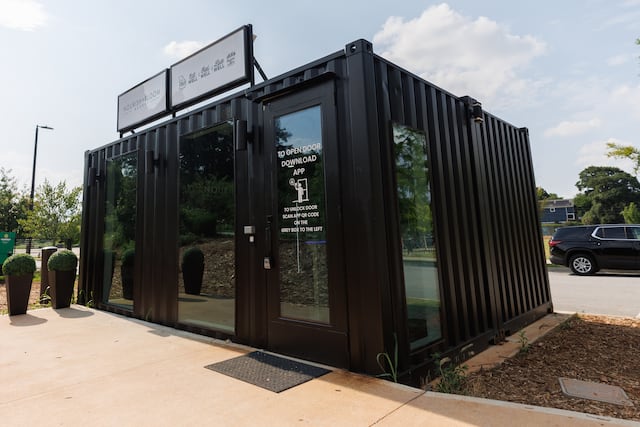
A growing number of Atlanta entrepreneurs are turning to repurposed shipping containers as affordable, durable, and rapidly deployable commercial spaces, reflecting a broader shift toward lower-cost business development in an era of elevated construction expenses. The trend ranges from AI-powered autonomous grocery stores designed to expand food access in underserved neighborhoods to multi-tenant office parks housing independent professionals and service businesses. Developers argue that container-based construction allows projects to move from concept to operation far more quickly than conventional buildings while giving small business owners greater flexibility and lower barriers to entry. Although the model is unlikely to replace traditional commercial development, it demonstrates how private-sector innovation can overcome regulatory and financial obstacles that have made brick-and-mortar entrepreneurship increasingly difficult.
Sources
- https://www.ajc.com/business/2026/07/why-some-atlanta-entrepreneurs-are-embracing-shipping-container-storefronts
- https://www.investatlanta.com/about-us/news-press/new-businesses-open-across-downtown-atlanta-as-the-downtown-pop-up-opportunity-fund-retail-program-hits-its-stride-ahead-of-the-world-cup
- https://www.usda.gov/topics/food-and-nutrition/food-security
Key Takeaways
- Shipping container construction is reducing startup costs and accelerating project timelines, making physical storefronts more attainable for entrepreneurs with limited capital.
- Private-sector innovation is demonstrating that flexible commercial development can help address both economic opportunity and neighborhood service gaps without relying exclusively on traditional construction methods.
- The success of modular retail concepts suggests that policymakers should examine whether permitting, zoning, and construction regulations are unnecessarily slowing conventional commercial development.
In-Depth
For years, shipping containers represented the movement of goods across the global economy. Today, they are increasingly becoming symbols of entrepreneurial ingenuity. As construction costs remain stubbornly high and financing for small businesses grows more challenging, creative entrepreneurs are finding ways to bypass many of the obstacles that have traditionally delayed or prevented storefront expansion.
Atlanta’s emerging container storefront movement illustrates how innovation often flourishes when markets are allowed to adapt. Entrepreneurs are converting standardized steel containers into grocery stores, salons, barbershops, offices, and specialty retail spaces that can be deployed far more quickly than conventional buildings. The appeal is straightforward: modular construction reduces time, offers predictable costs, and provides flexibility that conventional commercial real estate often cannot match.
One particularly notable example combines autonomous retail technology with container construction to bring grocery access into underserved communities. While public grants have helped launch some projects, the broader lesson is that private innovation frequently identifies practical solutions to community problems more rapidly than traditional development models. When entrepreneurs are free to experiment with new business formats, consumers ultimately benefit through increased convenience, competition, and choice.
The trend also raises broader policy questions. If entrepreneurs can establish attractive, functional commercial spaces using repurposed containers in a fraction of the time required for conventional development, it suggests existing permitting processes, zoning restrictions, and construction regulations deserve renewed scrutiny. Reducing unnecessary barriers to entry encourages investment, strengthens local economies, and expands opportunities for independent business ownership. Rather than viewing container storefronts as a novelty, they may represent a practical example of how market-driven innovation can help revitalize communities while keeping entrepreneurship within reach of ordinary Americans.