

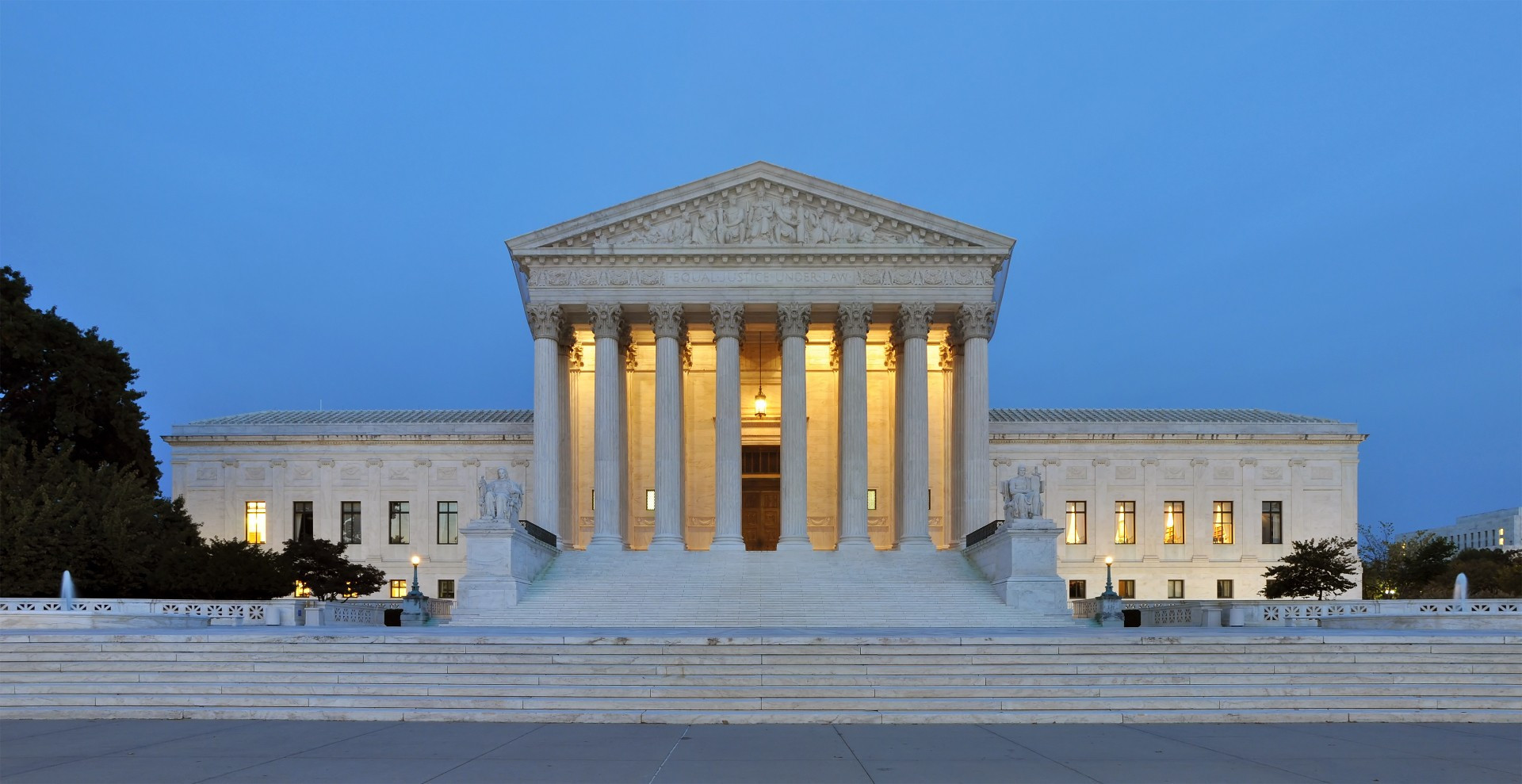
The U.S. Supreme Court appeared reluctant to impose broad restrictions on law enforcement’s ability to search cell phone data when attempting to locate criminal suspects, signaling concern that overly rigid rules could hinder investigations in urgent or dangerous situations. During oral arguments, several justices questioned whether requiring warrants in all circumstances—particularly when time is critical—would unduly restrict police efforts to track suspects or prevent harm. While acknowledging privacy concerns tied to digital data, the Court seemed inclined to weigh those concerns against public safety needs, suggesting a possible outcome that preserves law enforcement flexibility while leaving narrower privacy protections in place rather than establishing sweeping constitutional limits.
Sources
https://www.latimes.com/politics/story/2026-04-27/supreme-court-wary-of-barring-police-from-phone-searches-to-find-crime-suspects
https://www.scotusblog.com/2026/04/justices-weigh-police-access-to-cellphone-location-data-in-emergency-cases/
https://www.reuters.com/legal/us-supreme-court-examines-police-phone-search-powers-2026-04-27/
Key Takeaways
- The Court is signaling hesitation to impose blanket warrant requirements for all cellphone-based searches tied to suspect tracking.
- Justices appear focused on balancing digital privacy rights against real-world public safety and law enforcement needs.
- Any ruling is likely to be narrow, preserving police discretion in urgent situations rather than establishing sweeping new limits.
In-Depth
The case before the Supreme Court highlights a growing tension in American law: how to reconcile the explosive growth of digital data with longstanding principles governing search and seizure. At issue is whether law enforcement must always obtain a warrant before accessing cellphone-derived information—particularly location data—when attempting to track down criminal suspects. While earlier rulings have strengthened privacy protections for digital devices, the current dispute probes the limits of those protections when public safety is at stake.
Several justices raised practical concerns about imposing rigid warrant requirements in fast-moving investigations. Situations involving fleeing suspects, imminent threats, or potential violence were repeatedly referenced as scenarios where delays could carry real consequences. The skepticism wasn’t framed as a rejection of privacy rights, but rather as a recognition that constitutional protections must operate within the realities faced by police officers in the field.
At the same time, the Court did not dismiss the broader implications of unchecked access to personal data. Cellphones contain deeply personal information, and unrestricted searches raise legitimate civil liberties concerns. The underlying challenge is drawing a line that prevents abuse without tying the hands of law enforcement during emergencies.
What seems increasingly likely is a narrow ruling that avoids sweeping doctrine. Instead of declaring a universal rule, the Court may carve out exceptions tied to exigent circumstances, allowing police limited flexibility while reaffirming that warrants remain the default standard. That kind of outcome would reflect a cautious, incremental approach—one that resists dramatic shifts in either direction and leaves room for future cases to refine the balance.