

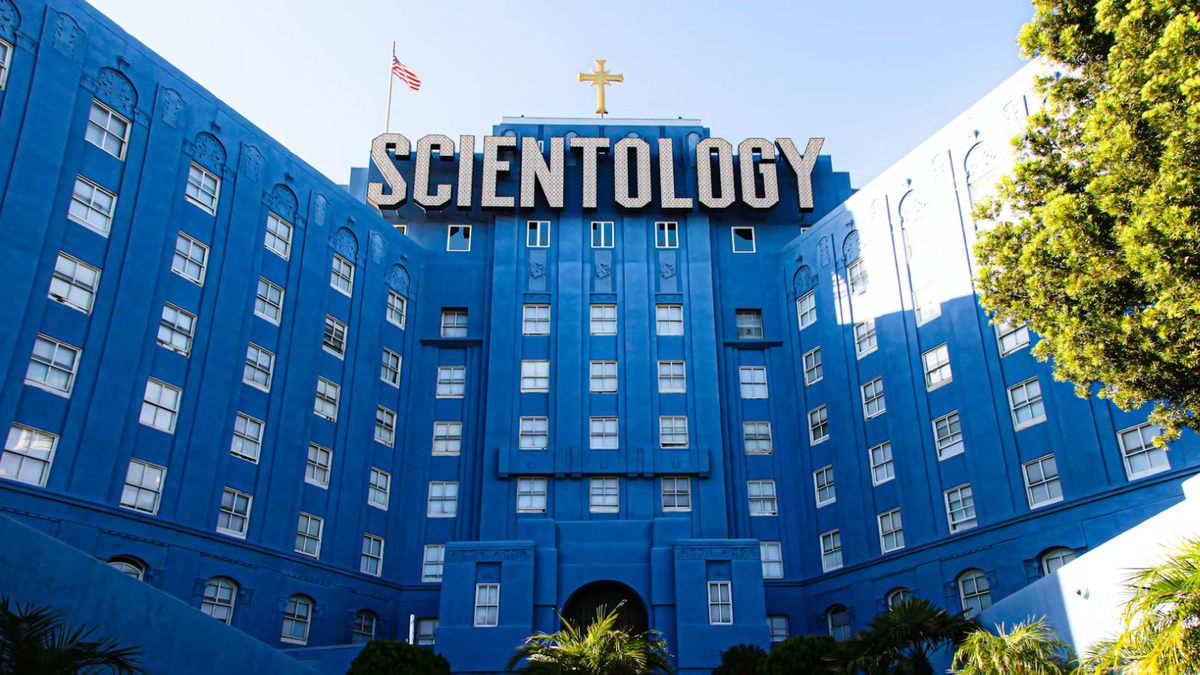
A viral TikTok trend dubbed “speedrunning” has led groups of teenagers to rush into Church of Scientology buildings in Hollywood, filming how far they can get before being stopped, triggering police involvement and raising concerns about trespassing, safety, and the normalization of disruptive behavior masquerading as online entertainment; while some participants frame the acts as irreverent protest or curiosity-driven content, church officials have reported incidents to law enforcement as potential hate crimes, and authorities are increasingly treating the activity as criminal rather than harmless digital-age antics, underscoring the growing tension between social media virality and real-world accountability.
Sources
https://www.latimes.com/california/story/2026-04-28/speedrunning-church-of-scientology-tiktok-trend
https://en.wikipedia.org/wiki/Scientology_Speedrunning
https://www.ktla.com/news/local-news/police-investigate-scientology-speed-run-trend-los-angeles/
Key Takeaways
- Viral TikTok trends are increasingly spilling into real-world environments, creating legal and safety risks that extend beyond digital platforms.
- Participants often frame disruptive or unlawful behavior as entertainment or activism, blurring the line between free expression and criminal conduct.
- Law enforcement and institutions are beginning to respond more aggressively, signaling a shift toward accountability for social media-driven incidents.
In-Depth
What’s unfolding in Los Angeles is less about a fringe internet stunt and more about a broader cultural shift that continues to test the limits of acceptable behavior in a hyper-digital society. The so-called “speedrunning” trend—where individuals attempt to penetrate as deeply as possible into Scientology facilities while filming—reflects a growing appetite among younger social media users for spectacle over substance. What once might have been dismissed as harmless pranks now carries real-world consequences, particularly when private property, security concerns, and public order are involved.
At its core, this trend illustrates how social media platforms like TikTok incentivize escalation. Participants are not merely documenting their actions; they are competing for attention, views, and relevance. That dynamic naturally pushes behavior toward more extreme or provocative acts. Entering private religious facilities without permission—regardless of one’s opinion of the institution—crosses a legal threshold that authorities cannot ignore. Reports of police involvement and investigations into potential criminal activity show that officials are beginning to draw a firmer line.
There’s also a cultural undertone worth noting. Some participants claim their actions are a form of critique or protest, but that justification rings hollow when the behavior itself veers into harassment or trespassing. In a society that values both free expression and rule of law, the distinction matters. Labeling disruptive acts as “activism” doesn’t exempt them from consequences, and increasingly, institutions are pushing back.
More broadly, this situation reflects a deeper issue: the erosion of boundaries between online behavior and real-world responsibility. Social media has created an environment where notoriety can be achieved instantly, often without regard for legality or ethics. The result is a cycle where increasingly reckless actions are rewarded with visibility, at least in the short term.
Ultimately, this trend is unlikely to fade quietly. As long as platforms continue to reward viral disruption, similar incidents will emerge. The question isn’t whether these behaviors will continue—it’s how firmly society is willing to respond when they cross the line from digital spectacle into real-world harm.