

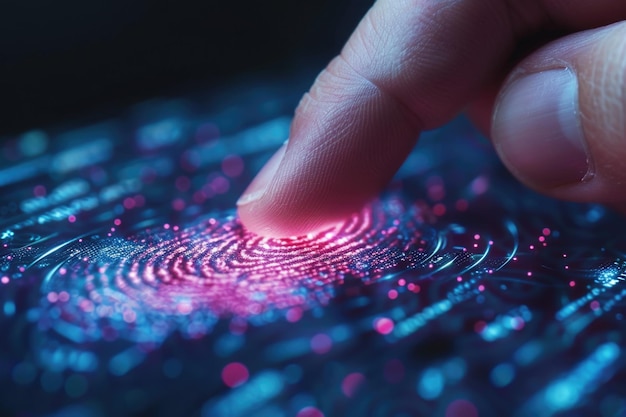
A growing debate has emerged among cybersecurity professionals over claims that artificial intelligence can extract usable fingerprint data from high-resolution selfies and social media photos. The concern gained traction after demonstrations showing how AI-enhanced image processing could reveal fingerprint ridge patterns from photographs, particularly when individuals display peace signs or hold their hands close to a camera. Some experts argue the threat is real and becoming more practical as AI tools advance, while others contend that the average person faces little immediate danger because successfully exploiting such data remains technically difficult and requires significant effort. Nevertheless, the discussion underscores a broader reality: biometric information, unlike passwords, cannot be changed once compromised, making the protection of fingerprints, facial scans, and other biological identifiers increasingly important in the age of AI.
Sources
- https://nypost.com/2026/06/03/tech/selfie-fingerprint-scam-is-real-some-ai-experts-warn
- https://www.cbsnews.com/news/hackers-fingerprints-selfie-photo-ai-experts
- https://www.scmp.com/news/people-culture/trending-china/article/3352777/china-tv-variety-show-exposes-scam-linking-peace-sign-selfies-privacy-risks
- https://www.euronews.com/my-europe/2024/04/29/fact-check-can-hackers-steal-fingerprints-from-selfies
Key Takeaways
- AI-powered image enhancement has intensified concerns that fingerprint details may be recoverable from high-resolution photographs posted online.
- Experts remain divided on the practical threat level, with some warning of accelerating risks while others argue the average individual is unlikely to be targeted.
- The controversy highlights a larger cybersecurity challenge: biometric credentials are permanent, making their protection increasingly critical as AI capabilities expand.
In-Depth
The controversy surrounding so-called “selfie fingerprint scams” illustrates a broader truth about modern technology: conveniences often create vulnerabilities that society fails to recognize until long after adoption. For years, consumers have embraced biometric authentication as a safer alternative to passwords. Fingerprint readers, facial recognition systems, and other biometric tools promised stronger security and greater convenience. Now, however, advances in artificial intelligence are forcing a reassessment of those assumptions.
Reports demonstrating the potential extraction of fingerprint data from photographs have generated understandable concern. While some cybersecurity specialists argue the threat remains largely theoretical for ordinary citizens, others warn that technological barriers continue to fall as AI becomes more sophisticated and accessible. What once required specialized laboratories may eventually become achievable with commercially available software and hardware.
From a conservative perspective, the debate serves as another reminder that technological innovation often advances faster than society’s ability to protect individual privacy. Personal responsibility remains essential. People should think carefully about what they share online, limit public access to personal images, utilize multi-factor authentication, and avoid placing complete trust in any single security method. Biometric systems remain useful, but they should not be viewed as infallible.
Ultimately, whether the current panic proves fully justified or somewhat exaggerated, the underlying issue is real. AI is steadily expanding the amount of information that can be extracted from seemingly harmless digital content. The prudent response is not hysteria, but awareness. In an era when data has become a valuable commodity, safeguarding one’s digital footprint is no longer optional—it is a necessity.