

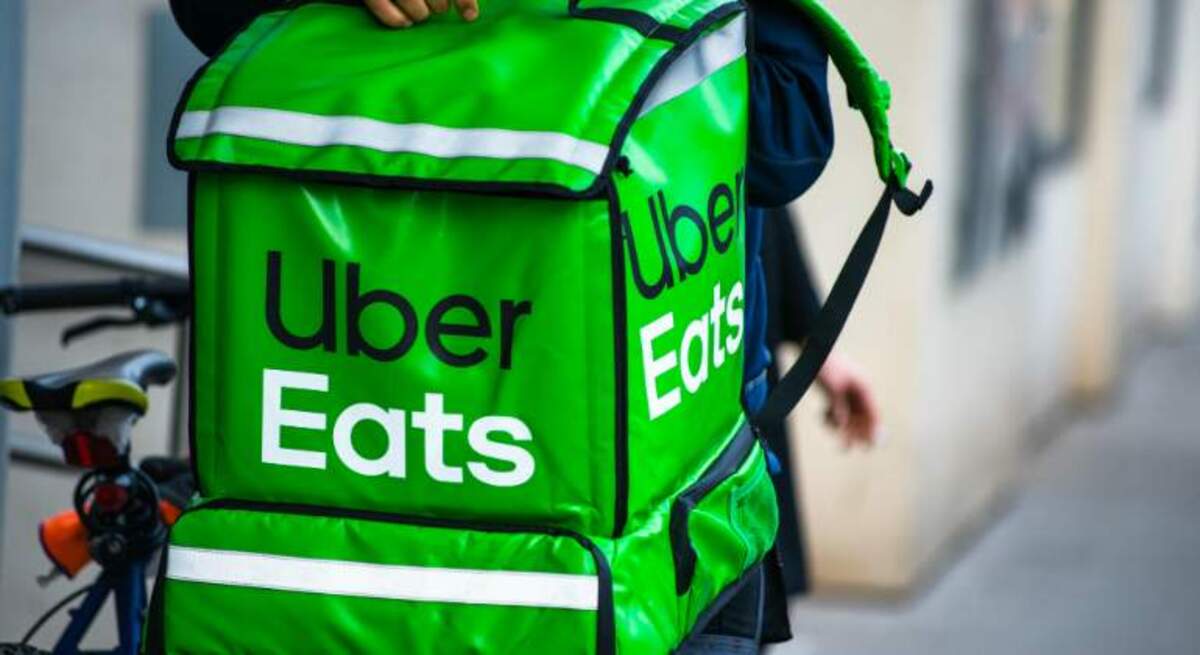
Uber has agreed to acquire Germany-based Delivery Hero in a $14.8 billion cash transaction, a move that will dramatically expand Uber’s global reach in food delivery while strengthening its long-term strategy of integrating transportation and delivery services into a single platform. The acquisition would extend Uber’s combined ride-hailing and delivery operations to 99 countries, adding major international brands across Europe, Asia, Latin America, Africa, and the Middle East. To ease anticipated antitrust concerns, Delivery Hero plans to divest operations in 14 overlapping markets before the deal closes, which is expected during the second half of 2027 pending regulatory approval. The transaction underscores the accelerating consolidation of the global delivery industry as companies pursue greater scale, operational efficiencies, and stronger competitive positions in increasingly saturated markets.
Sources
- https://www.sfchronicle.com/tech/article/uber-delivery-hero-deal-22348110.php
- https://www.reuters.com/business/uber-launches-148-billion-takeover-bid-delivery-hero-2026-07-16
- https://www.ft.com/content/c15115ea-7386-4f44-9643-f95f58187514
Key Takeaways
- Uber is making a major strategic bet that global scale and integrated ride-sharing and food delivery services will create long-term competitive advantages over regional rivals.
- Regulators remain a significant hurdle, forcing the divestiture of overlapping businesses before the acquisition can proceed, demonstrating that antitrust scrutiny continues to shape major technology mergers.
- Continued consolidation within the food delivery industry reflects the reality that profitability increasingly depends on operational efficiency, market reach, and economies of scale rather than subsidized growth alone.
In-Depth
Uber’s proposed acquisition of Delivery Hero represents another milestone in the ongoing consolidation of the global technology and delivery marketplace. Rather than chasing growth one country at a time, Uber is purchasing an established international network that instantly broadens its footprint across dozens of markets where building comparable operations organically would require years and billions of dollars.
The transaction also reflects a broader economic reality. The era of inexpensive capital that fueled aggressive expansion across the delivery industry has largely ended. Investors increasingly demand sustainable profits instead of perpetual market-share battles, making consolidation an attractive path toward reducing redundant infrastructure and improving operating margins. Combining logistics, technology, marketing, and customer acquisition efforts offers opportunities to eliminate duplication while increasing customer engagement across multiple services.
Supporters of free-market competition may view the acquisition as evidence that successful private enterprises continue to adapt to changing economic conditions through voluntary transactions rather than government intervention. At the same time, the required sale of overlapping operations illustrates that regulators remain deeply involved in determining how large technology companies are permitted to expand internationally. Whether those restrictions ultimately preserve competition or merely complicate efficient business combinations will remain a subject of debate.
If regulators approve the deal, Uber will emerge as an even more formidable global platform, reinforcing the trend toward fewer but significantly larger competitors dominating the international food delivery business.