

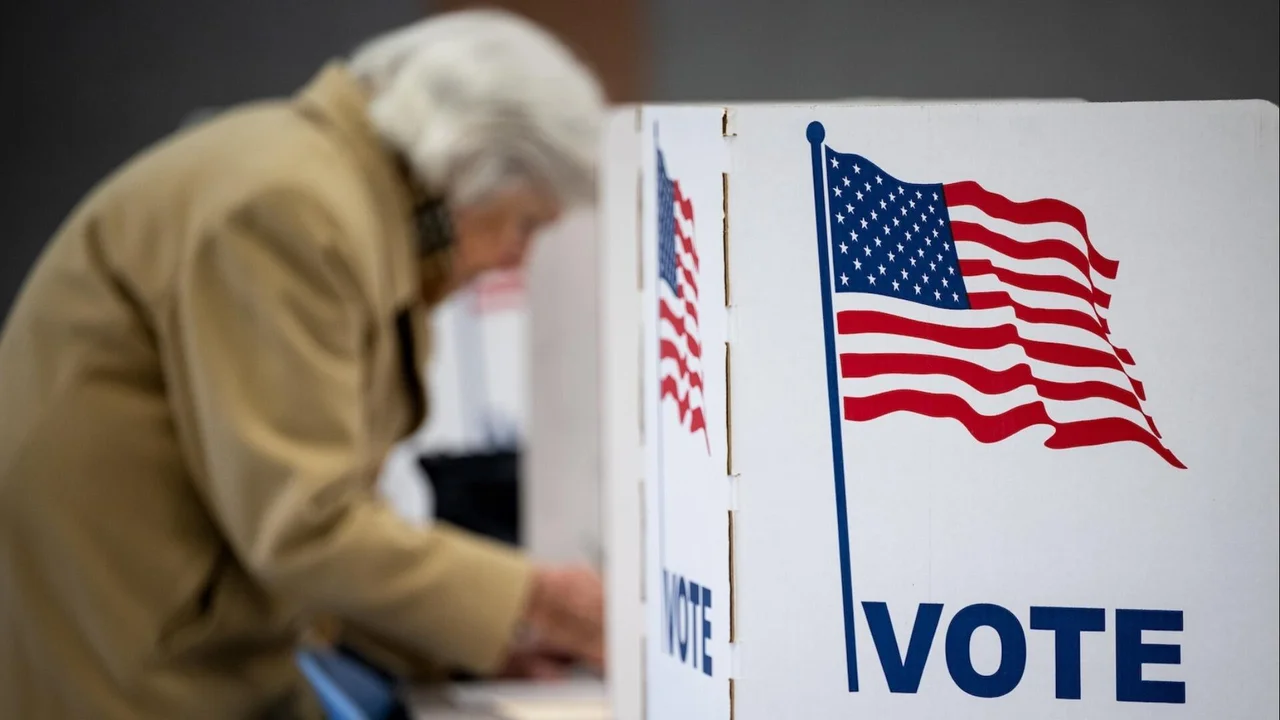
A new analysis of leading artificial intelligence chatbots found that roughly 90% of responses related to the upcoming U.S. midterm elections contained some form of material flaw, ranging from factual inaccuracies and partisan bias to citations of foreign state-controlled media. The study, conducted by Forum AI and its NewsBench project, examined more than 12,500 responses generated by major AI platforms. Researchers concluded that while AI tools are becoming increasingly influential in how people consume information, they remain unreliable for high-stakes political topics. The findings raise serious concerns about the growing tendency of voters, journalists, educators, and policymakers to treat chatbot outputs as authoritative sources of truth, particularly as election season approaches.
Sources
Key Takeaways
- Major AI chatbots continue to struggle with election-related information, frequently generating responses that contain factual errors, partisan framing, or questionable source material.
- Researchers found that source selection, not merely reasoning capability, is a major weakness, with some systems citing foreign state-controlled media outlets or low-quality sources when answering political questions.
- As AI becomes a primary information gateway for millions of users, concerns are growing that inaccurate chatbot responses could undermine public confidence in elections and distort voter understanding of critical issues.
In-Depth
The promise of artificial intelligence has always rested on the assumption that machines can help people sift through vast amounts of information more efficiently than traditional search engines. Yet a newly released audit of major AI chatbots suggests that when it comes to election-related information, that promise remains far from fulfilled.
Researchers evaluated thousands of responses from leading AI systems and discovered a troubling pattern: inaccurate facts, ideological slants, and citations drawn from foreign government-controlled media outlets appeared with alarming frequency. While developers routinely market these systems as useful assistants capable of summarizing complex issues, the study indicates that voters who rely exclusively on chatbot-generated information may be receiving a distorted picture of political reality.
For conservatives, the findings reinforce long-standing concerns about information gatekeepers and the concentration of influence among a small number of technology companies. If AI systems are becoming the next generation of search and news consumption, then accuracy and transparency are not optional features—they are foundational requirements. The report found that many responses failed neutrality tests, with several leading platforms displaying left-leaning tendencies while others exhibited right-leaning bias. Such outcomes underscore the difficulty of creating genuinely objective AI systems.
The broader lesson is that AI should be viewed as a tool rather than an authority. Citizens still bear the responsibility of verifying information through credible reporting, official government sources, and multiple viewpoints. As the 2026 midterm election cycle intensifies, the study serves as a reminder that technological sophistication does not automatically produce truth. Until AI developers can demonstrate consistent accuracy and transparent sourcing, skepticism remains not only reasonable but necessary.