

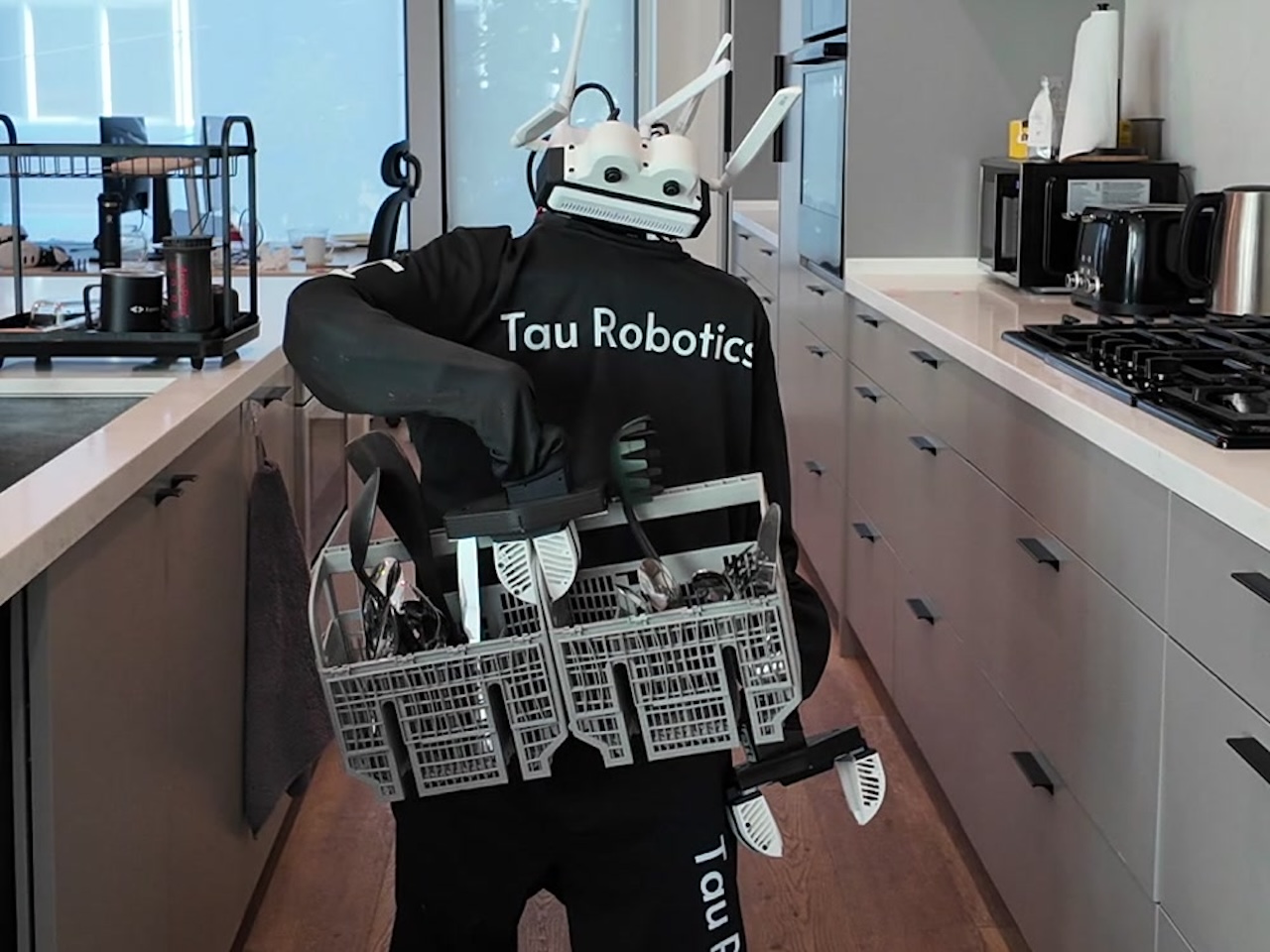
A San Francisco startup, Tau Robotics, has launched an invitation-only pilot program that sends AI-assisted humanoid robots into homes to perform routine cleaning tasks for $30 per hour. The robots currently vacuum, empty trash, and wipe surfaces while operating under human supervision, with the company’s long-term objective being fully autonomous operation as reliability and safety improve. Founded in 2024, Tau Robotics has raised approximately $2.6 million in pre-seed funding and is intentionally expanding cautiously, deploying one robot per appointment while gathering real-world operating data. The launch underscores the accelerating commercialization of humanoid robotics, moving beyond factory floors into consumer-facing services. While proponents see the technology as a way to reduce the cost of labor-intensive services and address workforce shortages, skeptics question whether widespread automation will eventually displace human workers in traditionally entry-level occupations. The rollout also reflects intensifying competition among robotics startups seeking to establish early market leadership in domestic service applications.
Sources
- https://www.sfchronicle.com/tech/article/sf-robot-house-cleaning-22369331.php
- https://techcrunch.com
- https://www.reuters.com/technology
Key Takeaways
- • Humanoid robots are rapidly transitioning from research projects into commercial household service businesses, with home cleaning emerging as an early proving ground for AI-powered automation.
- • Companies are using human supervision during initial deployments to improve safety, reliability, and customer confidence before pursuing fully autonomous operation.
- • The expansion of consumer robotics raises broader economic questions about labor displacement, service affordability, and how quickly artificial intelligence will reshape lower-skilled service occupations.
In-Depth
Tau Robotics’ entrance into the home-cleaning market represents another milestone in the steady march of artificial intelligence from digital applications into the physical economy. Rather than limiting AI to writing software or answering questions, companies are increasingly deploying machines capable of performing real-world labor. Home cleaning provides an attractive entry point because it is repetitive, labor intensive, and represents a large consumer market that has historically resisted automation.
The company’s deliberate rollout demonstrates that today’s humanoid robots remain works in progress. Human operators still oversee each cleaning session, reflecting the reality that AI has not yet achieved the level of reliability necessary for completely independent operation inside unpredictable home environments. Even so, the technology is advancing quickly enough that what begins as supervised assistance today could become largely autonomous within only a few years.
For conservatives, the development presents both opportunity and caution. Free-market innovation has consistently improved productivity and lowered costs, benefiting consumers while creating entirely new industries. Robotics has the potential to ease labor shortages and make services affordable for more households. At the same time, policymakers should resist the temptation to subsidize automation winners or impose burdensome regulations that protect existing business models from competition.
The greater challenge will be ensuring that America’s workforce adapts as technological change accelerates. History suggests that innovation ultimately creates more prosperity than it destroys, but the transition can be disruptive for workers whose jobs are increasingly automated. The companies that succeed will likely be those that combine technological capability with practical business execution, proving that robots can perform useful work safely, consistently, and at prices consumers are willing to pay.