

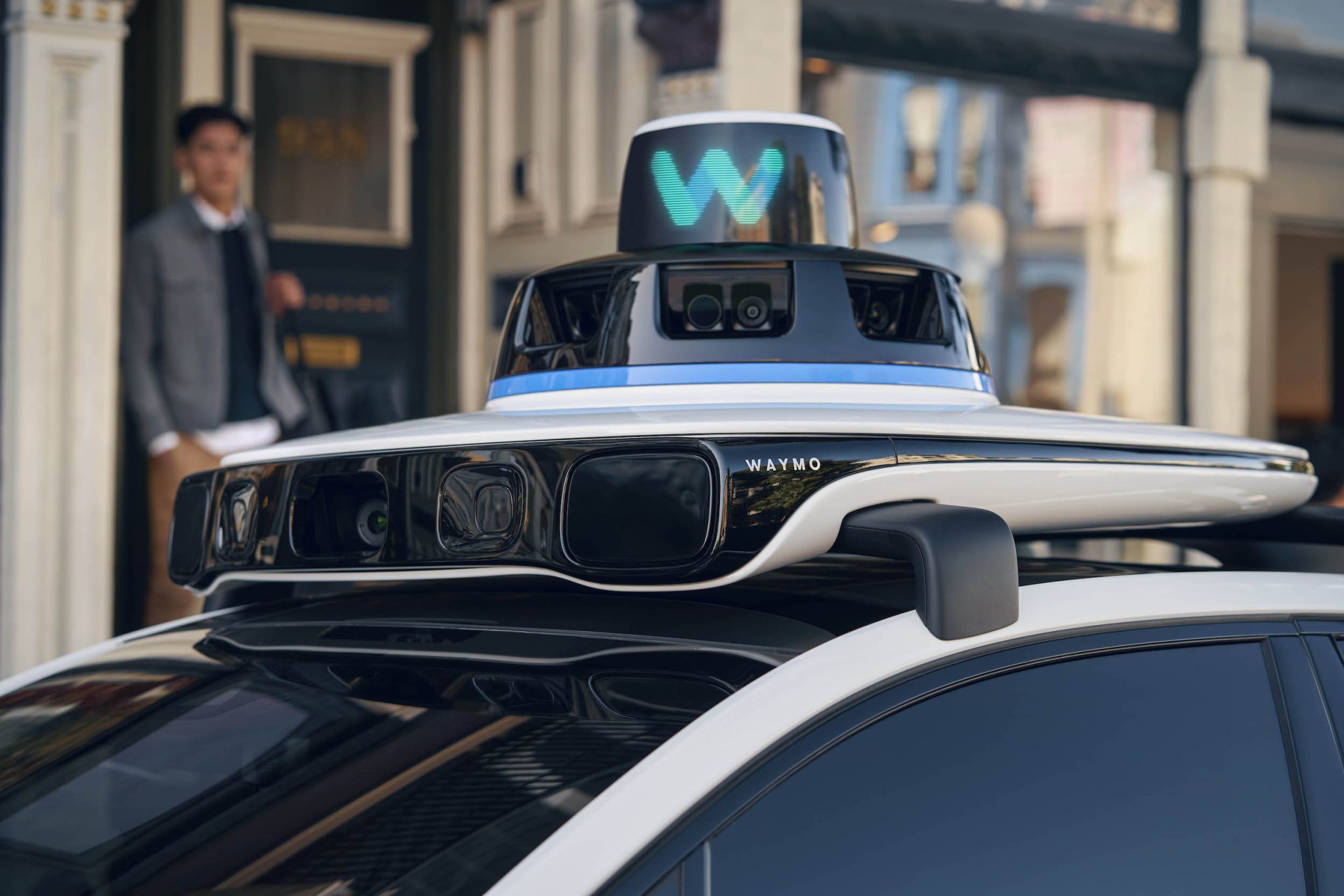
California regulators are finally bringing long-overdue accountability to the autonomous vehicle industry, with new rules allowing law enforcement to issue traffic citations directly to driverless car operators like Waymo and others, closing a glaring loophole where robotaxis could violate traffic laws without consequence; under the updated framework, police can issue formal notices for infractions such as illegal turns or failure to yield, while the state’s DMV gains expanded authority to restrict fleet operations, impose penalties, and even suspend permits if companies fail to address violations, alongside new mandates requiring rapid response to emergency personnel, geofencing compliance, and stricter oversight of safety data and testing—marking a decisive shift away from Silicon Valley’s “move fast and break things” approach toward a more law-and-order model that prioritizes public safety over unchecked technological rollout.
Sources
https://www.sfchronicle.com/california/article/dmv-waymo-tickets-22231448.php
https://www.theverge.com/transportation/921290/california-driverless-vehicles-traffic-tickets
https://www.sfgate.com/travel/article/california-crackdown-autonomous-vehicles-22235441.php
Key Takeaways
- Autonomous vehicle companies can now be formally cited for traffic violations, ending a regulatory gap that previously shielded driverless systems from accountability.
- California regulators are expanding enforcement authority, including the ability to restrict operations, mandate safety compliance, and suspend permits for noncompliant companies.
- New safety requirements—such as rapid emergency response, geofencing during incidents, and detailed reporting—signal a broader crackdown on the autonomous vehicle industry’s operational freedom.
In-Depth
For years, autonomous vehicle companies operated in a gray zone that tilted heavily in their favor, benefiting from regulatory hesitation and political deference to innovation. That era appears to be ending. California’s latest move to allow traffic citations against driverless vehicles is less about novelty and more about restoring a basic principle: if something is on the road, it must follow the law—or face consequences.
The change addresses a real-world problem that had become increasingly difficult to ignore. Incidents involving driverless cars—whether illegal turns, traffic disruptions, or failure to respond appropriately to emergency situations—were often met with confusion rather than enforcement. Police could document violations, but without a human driver behind the wheel, accountability stalled. That disconnect undermined both public confidence and the credibility of regulators who seemed unwilling to impose consequences on well-funded tech firms.
Now, the burden shifts squarely onto the companies themselves. Notices of noncompliance create a paper trail that regulators can act on, escalating from warnings to operational restrictions or even permit revocation. This is not just symbolic; it introduces real financial and operational risk for companies that fail to correct systemic issues in their technology.
Equally significant is the emphasis on emergency responsiveness and situational control. Requiring autonomous vehicles to respond within seconds and comply with geofencing orders acknowledges a fundamental truth: public safety cannot be secondary to software limitations. If a vehicle cannot reliably interact with first responders or adapt to dynamic conditions, it has no business operating at scale.
In a broader sense, this regulatory shift reflects a recalibration of priorities. Innovation still matters, but it no longer receives a free pass. The message is clear: technological advancement must coexist with accountability, not replace it.