

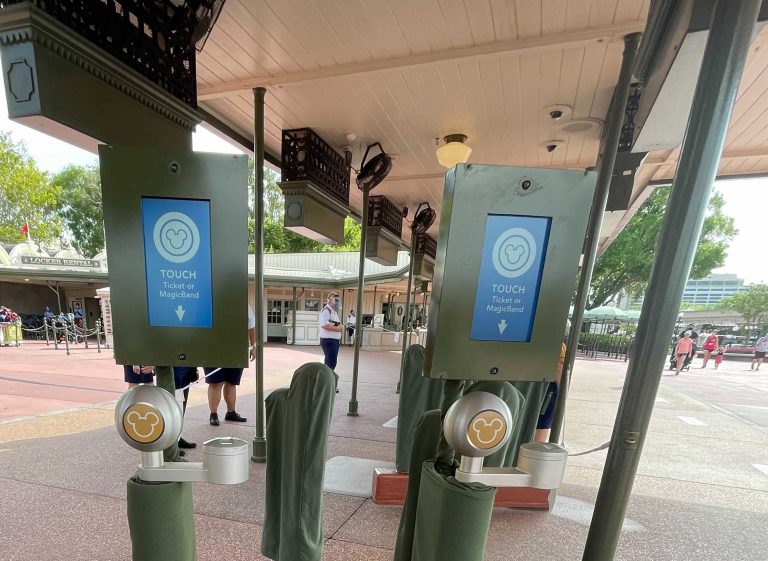
A new report details how Disneyland has increasingly integrated facial recognition technology into its operations, using it to streamline park entry, manage guest flow, and enhance security, while raising fresh concerns about privacy, data collection, and the normalization of biometric surveillance in everyday life. The system, initially introduced in limited pilot programs, now plays a more central role in identifying guests, linking images to ticketing systems, and potentially reducing fraud and wait times. Supporters argue the technology improves efficiency and safety in a high-traffic environment, but critics warn that the expansion reflects a broader corporate trend toward intrusive data practices with limited transparency or meaningful consumer consent. As more visitors pass through these systems, questions are mounting about how long data is stored, who has access to it, and whether convenience is quietly being traded for a deeper erosion of personal privacy in public spaces.
Sources
https://www.latimes.com/california/newsletter/2026-05-03/disneyland-becomes-more-reliant-on-facial-recognition
https://www.wsj.com/articles/facial-recognition-theme-parks-privacy-concerns-11699543210
https://www.reuters.com/technology/biometrics-theme-parks-security-privacy-2025-11-18/
Key Takeaways
- Facial recognition is rapidly becoming embedded in everyday consumer environments, often without clear boundaries or oversight.
- Convenience and efficiency gains are being prioritized over long-term privacy implications and informed consent.
- The expansion of biometric tracking in entertainment settings signals a broader normalization of surveillance technologies in civilian life.
In-Depth
The growing reliance on facial recognition technology at Disneyland reflects a wider shift in how large corporations approach both customer experience and security in the digital age. What began as a limited pilot aimed at reducing ticket fraud and improving entry times has evolved into a more comprehensive system capable of identifying guests and linking them to ticketing and behavioral data. From an operational standpoint, the benefits are clear: shorter lines, fewer disputes over ticket validity, and a streamlined guest experience that aligns with modern expectations of speed and convenience.
But that efficiency comes with trade-offs that deserve more scrutiny than they are currently receiving. The expansion of biometric systems in a setting traditionally associated with family entertainment underscores how normalized surveillance technology has become. Visitors are not entering a high-security government facility; they are visiting a theme park. Yet, increasingly, they are subject to the same kinds of identity verification systems that once would have raised alarms in a free society.
What’s more concerning is the lack of clarity surrounding data usage. Questions about how long facial data is stored, whether it is shared with third parties, and how securely it is protected remain either vaguely addressed or unanswered. While companies often insist that such systems are designed with privacy in mind, history suggests that data collected is data eventually leveraged, whether for marketing, analytics, or broader integration into corporate ecosystems.
There is also a cultural shift underway. As more Americans encounter facial recognition in benign contexts like theme parks, airports, and retail stores, resistance tends to fade. That normalization may be the most significant long-term consequence. Once people accept biometric tracking as the price of convenience, rolling it back becomes nearly impossible. The debate, then, is not just about one company or one park—it’s about whether consumers are paying attention as a fundamental boundary quietly disappears.