

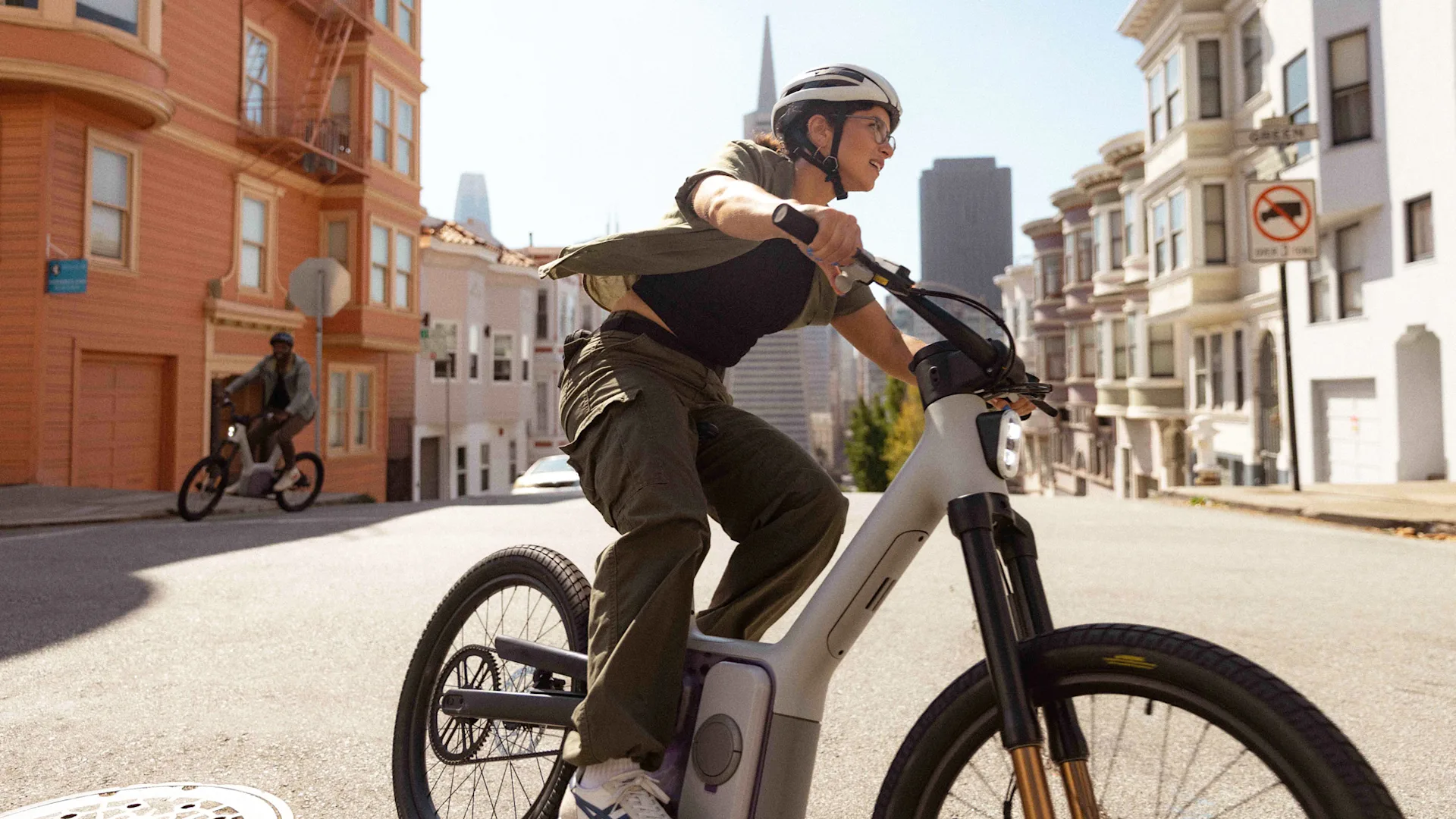
A new electric bike venture spun out of Rivian is aiming to reshape the rapidly growing e-bike market by blending premium hardware with a distinctly software-first approach, signaling a broader shift in how personal mobility devices are designed, monetized, and experienced. The startup, positioned as an extension of Rivian’s engineering and design DNA, is building high-end electric bicycles equipped with integrated displays, connected systems, and over-the-air update capabilities—features more commonly associated with modern electric vehicles than traditional bikes. By embedding advanced software into the user experience, the company is betting that riders will value seamless navigation, performance tuning, theft protection, and ecosystem integration as much as raw mechanical quality. This strategy reflects a growing belief among mobility innovators that software—not just batteries and motors—will define the next competitive frontier. Supporters argue that this model could unlock recurring revenue streams and deeper customer loyalty, while skeptics question whether consumers will embrace higher costs and increased complexity in what has historically been a simple mode of transportation. Either way, the move underscores a broader trend: as urban transportation evolves, even the humble bicycle is becoming part of a larger, digitally connected mobility ecosystem.
Sources
https://www.latimes.com/business/story/2026-05-01/this-rivian-spinoff-is-reinventing-e-bikes-with-screens-software
https://techcrunch.com/2026/05/01/rivian-spinoff-ebike-software-strategy/
https://www.theverge.com/2026/05/01/rivian-ebike-spinoff-connected-bike-future
Key Takeaways
- The integration of software and connectivity into e-bikes signals a shift from purely mechanical products to digitally managed mobility platforms with long-term revenue potential.
- Rivian’s involvement suggests that automotive-grade design and engineering principles are moving downstream into smaller personal transport devices.
- Consumer acceptance will hinge on whether added features justify higher prices and increased technological complexity in everyday transportation tools.
In-Depth
The emergence of a Rivian-backed e-bike venture highlights a pivotal moment in the evolution of personal transportation, where the line between vehicles and consumer electronics continues to blur. For decades, bicycles have been defined by simplicity, durability, and mechanical efficiency. Even the rise of electric bikes largely preserved that philosophy, focusing on battery range and motor performance rather than software integration. This new approach challenges that tradition by treating the e-bike less like a piece of equipment and more like a connected device within a broader digital ecosystem.
At the core of this strategy is the belief that software can transform the ownership experience. Integrated screens, real-time diagnostics, navigation tools, and wireless updates are designed to make the bike smarter over time, not obsolete. This mirrors the playbook used successfully in the electric vehicle sector, where software enhancements can extend functionality long after purchase. It also opens the door to subscription-based services, a model that has proven lucrative in other technology-driven industries.
However, this vision is not without friction. Many riders value bicycles precisely because they are low-maintenance and independent of digital infrastructure. Introducing complex electronics raises questions about reliability, repairability, and long-term cost of ownership. There is also the broader issue of consumer fatigue with subscription models creeping into every category of life.
Still, the timing may favor this kind of innovation. Urban congestion, environmental concerns, and shifting commuting patterns have pushed e-bikes into the mainstream. As more consumers view them as primary transportation rather than recreational tools, expectations naturally rise. Riders may begin to demand the same level of convenience, security, and personalization they get from their cars and smartphones.
Ultimately, this Rivian-linked venture represents more than just a new product—it’s a test case for whether software-driven thinking can redefine even the most established forms of mobility. If successful, it could set a precedent that reshapes the entire category, pushing competitors to follow suit and accelerating the transformation of everyday transportation into a fully connected experience.