

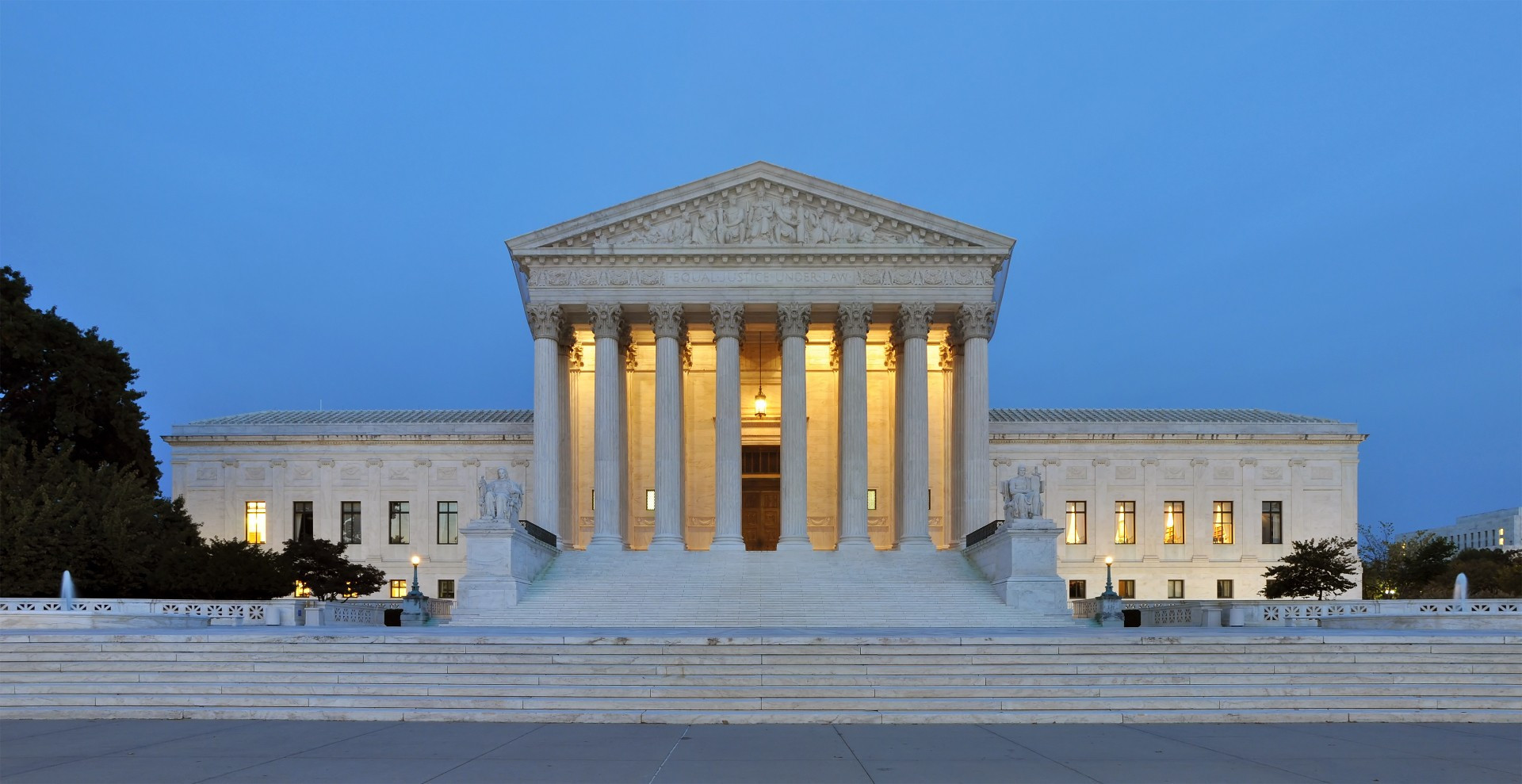
The rapid integration of artificial intelligence into American society is setting the U.S. Supreme Court on a path toward deciding some of the most consequential constitutional and statutory questions of the modern era. From copyright protection and free speech to liability, privacy, due process, and the use of AI-generated evidence in litigation, lower courts are already wrestling with disputes that are expected to reach the nation’s highest court. Recent decisions have reaffirmed that purely AI-generated works without human authorship are not eligible for copyright protection, while judges across the country are also confronting problems created by attorneys submitting AI-generated fictitious case citations. At the same time, legal scholars argue that existing laws are ill-equipped to address increasingly autonomous AI systems, making future Supreme Court intervention all but inevitable as Congress continues to lag behind technological development.
Sources
- https://www.zerohedge.com/ai/supreme-courts-ai-collision-course
- https://www.lawfaremedia.org/article/don-t-count-on-courts-to-rein-in-unregulated-ai
- https://www.supremecourt.gov
- https://www.404media.co/watch-these-judges-rip-into-lawyers-for-citing-cases-that-dont-exist
Key Takeaways
- • Artificial intelligence is rapidly creating legal questions involving copyright, free speech, privacy, liability, and constitutional rights that are increasingly likely to require Supreme Court review.
- • Courts are already struggling with practical problems created by generative AI, including fabricated legal citations and the admissibility and reliability of AI-generated evidence.
- • The absence of comprehensive federal legislation is placing greater pressure on the judiciary to establish legal standards governing AI before Congress acts.
In-Depth
Artificial intelligence is advancing at a pace that lawmakers have failed to match, leaving the judiciary as the institution increasingly responsible for defining the legal boundaries of the technology. While Congress debates broad regulatory frameworks, litigation involving AI continues to expand, making it increasingly likely that the Supreme Court will become the ultimate referee on issues ranging from intellectual property to constitutional protections.
One of the earliest fault lines involves copyright law. Federal courts have consistently concluded that works created entirely by artificial intelligence lack the human authorship required for copyright protection. That principle resolves only a narrow question, however. More difficult disputes are already emerging over AI-assisted creative works, ownership of training data, fair use, and whether developers bear legal responsibility when their systems reproduce copyrighted material or defamatory content.
The courtroom itself is also becoming an AI battleground. Judges have repeatedly sanctioned or reprimanded attorneys who submitted briefs containing fabricated cases generated by AI chatbots, underscoring both the promise and danger of relying on large language models without independent verification. Those incidents highlight a broader concern that AI’s increasing role in legal practice will require clearer ethical standards and procedural safeguards.
From a conservative perspective, the greatest concern is not merely technological innovation but the concentration of power that can accompany it. Courts may ultimately be asked to determine how constitutional protections apply when AI systems influence employment decisions, political speech, surveillance, or access to information. If Congress remains unable to establish clear statutory guardrails, the Supreme Court will almost certainly find itself shaping national AI policy through precedent rather than legislation—a role that, while necessary, places enormous responsibility on unelected judges to resolve questions that will influence American liberty, commerce, and governance for decades to come.