

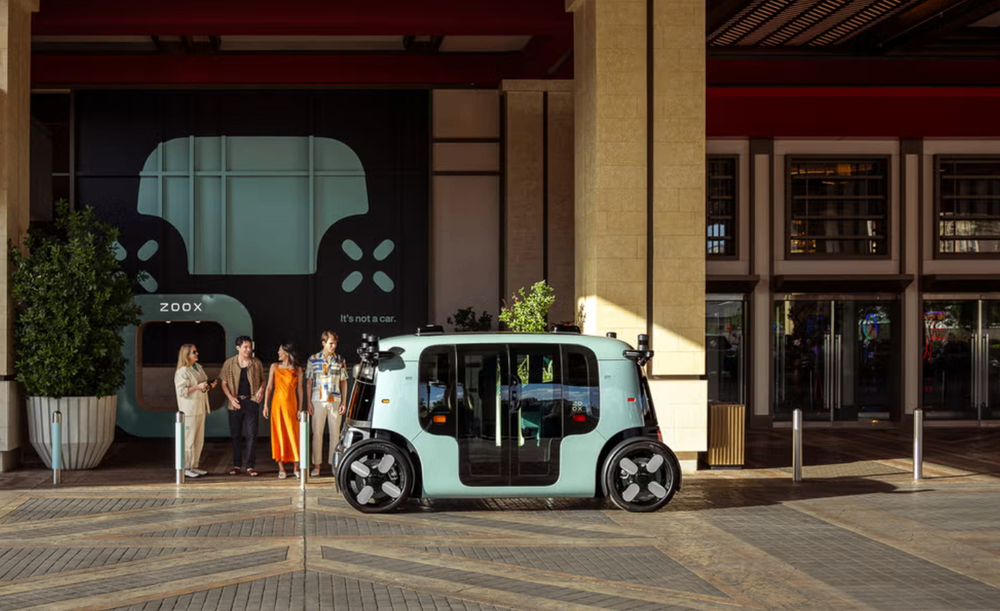
San Francisco’s driverless-car market is becoming an increasingly important test of whether competition can prevent autonomous transportation from being dominated by a single operator. Zoox is challenging Waymo’s substantial head start with a radically different purpose-built robotaxi, free introductory rides, aggressive local marketing, festival sponsorships and experiential promotions intended to turn the vehicle itself into a recognizable consumer brand. Waymo remains far ahead in fleet size, geographic reach and commercial operations, but Zoox is betting that its distinctive vehicle and rider-focused experience can create an alternative as autonomous transportation moves from technological novelty toward a mainstream service.
Key Takeaways
- Waymo remains the clear market leader, with a much larger fleet, broader service territory and considerably more experience carrying paying passengers, leaving Zoox with substantial ground to make up.
- Zoox is differentiating itself through its purpose-built, steering-wheel-free robotaxi and consumer-oriented marketing strategy, including free San Francisco rides, promotional events and partnerships intended to make its vehicles culturally recognizable.
- Greater robotaxi competition could ultimately benefit consumers through lower prices and better service, but rapid expansion also raises legitimate questions about safety, regulatory oversight and whether autonomous transportation will become concentrated among a few enormously capitalized technology companies.
In-Depth
San Francisco is becoming the proving ground for a competitive robotaxi market, with Zoox trying to distinguish itself from Waymo through autonomous-driving technology, branding, rider experience and local visibility. Waymo retains the advantage: a larger fleet, broader operating footprint and established paid service. Zoox, however, is pursuing a different strategy built around its purpose-designed vehicle, free introductory rides and consumer marketing.
That competition matters because autonomous transportation is moving from an engineering experiment toward an ordinary consumer service. Zoox’s unusual carriage-style vehicle, which lacks conventional driver controls, gives the company a product that is immediately recognizable. Its promotional events and partnerships are designed to make autonomous transportation feel less like experimental technology and more like a lifestyle product.
Still, marketing cannot substitute for scale, reliability or safety. Waymo has spent years building operating experience and expanding service territory, while Zoox remains smaller. Reports of hard braking and worker injuries associated with testing underscore why regulators and consumers should demand transparent safety performance as fleets grow.
The larger question is whether competition will discipline the robotaxi industry. If several well-capitalized companies compete for riders, consumers could benefit from lower prices, better vehicles and faster innovation. Policymakers should resist treating technological novelty as a reason to weaken basic safety standards. Private investment and competition should drive development, while government establishes clear, neutral rules. San Francisco may therefore offer an early look at whether autonomous transportation develops into a competitive marketplace or another technology sector dominated by only a handful of enormous companies.
Sources
- https://www.reuters.com/business/autos-transportation/amazons-zoox-alphabets-waymo-expand-robotaxi-services-more-us-cities-2026-09-01/
- https://www.sfchronicle.com/sf/article/waymo-launching-ojai-passenger-service-22395055.php
- https://techcrunch.com/2026/08/27/sprains-pain-and-whiplash-waymo-and-zoox-test-drivers-are-getting-hurt-as-robotaxis-scale/